

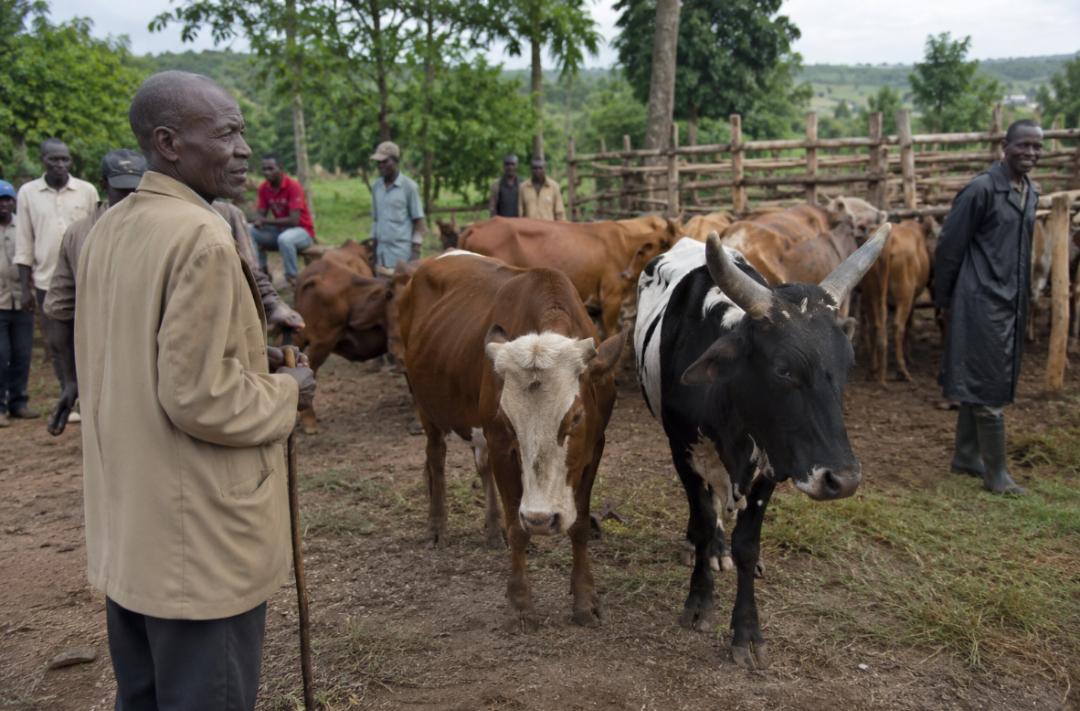
Fear and uncertainty have gripped livestock farmers in Sembabule District following a renewed wave of cattle thefts that residents say is threatening their livelihoods and reviving painful memories of insecurity in Uganda’s cattle corridor.
Farmers from sub-counties including Lwemiyaga, Ntuusi, and Bulongo report that thieves have once again been raiding farms at night, stealing cows, bulls, goats, and sheep, despite ongoing security operations in the area.
The district, well known for cattle keeping and milk production, is among the key livestock-producing areas in Uganda’s cattle corridor. However, residents say the increasing thefts are frustrating efforts to improve household incomes through livestock farming.
“We are no longer at peace,” said Mzee Eria Ssekamate, a cattle farmer in Lwemiyaga. “You spend years building your herd, but thieves clear animals in one night. Some farmers are now sleeping in kraals to guard their cattle,” he added.
Residents claim the thieves operate in organised groups and often target isolated farms, especially during heavy rains or power outages. According to farmers, some stolen animals are allegedly transported at night in trucks and sold in distant cattle markets.
“We suspect there are powerful people behind this business,” said Sarah Nakitto, a resident of Bulongo. “How can thieves move many cattle through checkpoints without being noticed?” she questioned.
Local leaders say the thefts are causing tension among residents, with some communities beginning to suspect farm workers and neighbours of collaborating with criminals.
Sembabule District Resident District Commissioner (RDC) Jane Francis Kagaayi recently warned residents against mob justice and urged them to cooperate with security agencies by sharing information on suspected criminals.
“We understand the frustration among farmers, but communities should avoid taking the law into their own hands,” she said. “Security agencies are investigating these thefts, and we urge residents to remain vigilant and report any suspicious movements,” she added.
Police in the Greater Masaka region acknowledge the growing concern and say operations targeting livestock thieves have been intensified in cattle-keeping districts.
A police source in Sembabule, who preferred anonymity because they are not authorised to speak to the media, said some theft cases involve well-coordinated networks that use forged livestock movement permits.
“Some suspects use fake documents to transport stolen cattle to other districts,” the source revealed.
Farmers are now demanding tighter security patrols, improved animal identification systems, and stricter punishment for convicted cattle thieves.
“We need government to treat livestock theft as economic sabotage,” said Moses Kasaija, a farmer from Ntuusi. “For us, cattle are our bank, school fees, and survival,” he added.
Security experts say cattle theft often increases during dry seasons when animals are moved long distances in search of pasture and water, making tracking more difficult. However, they note that recent incidents involve direct raids on kraals.
District leaders have also appealed to cattle keepers to brand their animals, maintain proper farm records, and avoid employing unknown workers without proper identification.
