
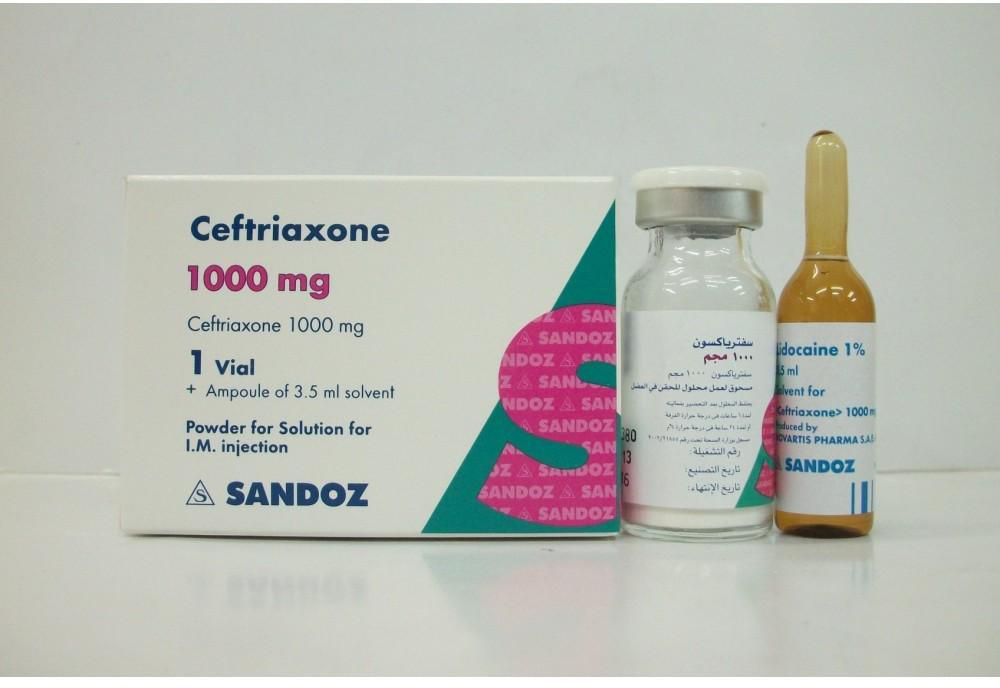
With Uganda like many other African countries registering an increase in the number of Sexually Transmitted Diseases (STDs), the country may run out of options for treating patients as available many bacteria’s become resistant to available drugs.
According to the World Health Organisation (WHO) every day, more than one million sexually transmitted infections are acquired worldwide, and each year an estimated 78 million people are infected with gonorrhoea.
According to Dr Samuel Mugoya the acting head of department for the STD Clinic in Mulago, these figures are not far from what they record.
"They are relatively common. They are the commonest. We see almost 99.9% of the cases," Dr Mugoya said.
Worryingly however is that antibiotic resistance is making gonorrhoea much harder and sometimes impossible to treat.
Dr Henry Kadhumbula the Head of Department Microbiology at Makerere University said this resistance was brought about by people's over reliance on Ceftriaxone, a drug used to treat Gonorrhea.
He said people started using it widely, even for infections that wouldn’t need a drug of that calibre.
"Today many bacteria’s have become resistant to Ceftriaxone, more than 70% of the bacteria in our setting has now become resistant. Now that leaves us with minimal options," Dr Kadhumbula said.
He added: "Ceftriaxone is supposed to be dispensed by senior doctors, even interns need to consult the seniors but we don’t have such systems. The laboratory system is not very strong, especially the system that detects the presence of bacteria."
He said some patients put doctors on pressure and demand to be given the drug to heal very fast
Gonorrhea's resistance to penicillin and tetracycline, a common broad-spectrum antibiotic, first emerged in the 1970s in Asia, spreading to the rest of the world during the early 1980s, according to the WHO.
