
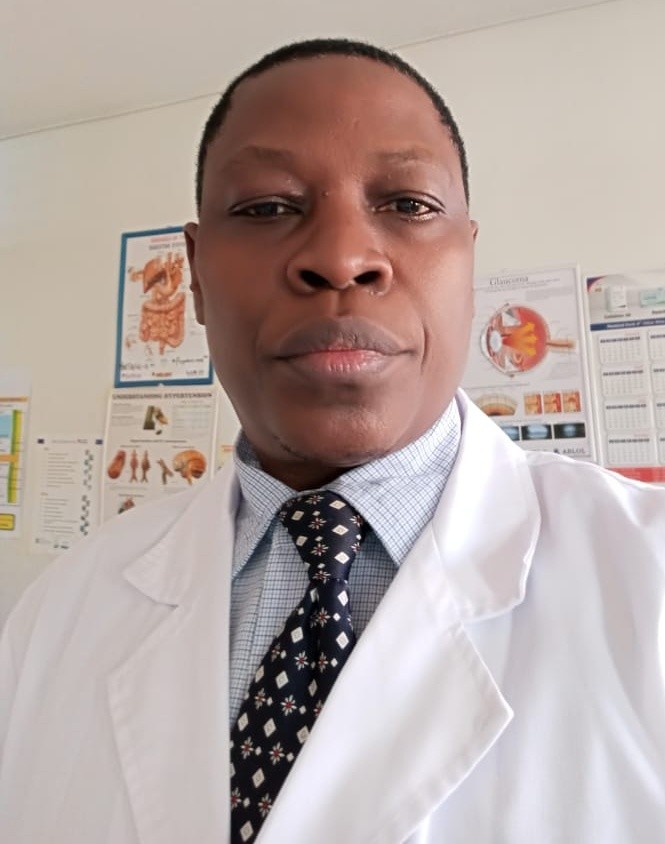
At Masaka Regional Referral Hospital, a young man arrived at the Out-Patient Department struggling to breathe. He could barely complete a sentence. He had sought treatment elsewhere earlier, but the medication had failed to relieve his worsening condition.
By the time he reached Senior Clinical Officer Fredrick Zikusooka , each breath had become increasingly difficult.
Zikusooka assessed the patient systematically, conducted a physical examination and ordered a chest X-ray. The findings confirmed his suspicion: the patient was not suffering from a simple chest infection, but was in the middle of an acute bronchial asthma attack.
He immediately initiated nebulisation therapy. Within minutes, the patient’s breathing improved significantly. Today, he is reportedly stable on maintenance treatment and no longer experiences the severe attacks that once threatened his life.
To an observer, it appeared to be a routine clinical intervention in a busy hospital. However, Fredrick says the outcome reflects a transformation in his clinical competence shaped by advanced training thousands of kilometres away in South Korea.
Strengthening skills to close clinical gaps
Zikusooka, a Senior Clinical Officer at Masaka Regional Referral Hospital, recalls that while he was a dependable general practitioner, he previously struggled with fast-paced emergency decision-making.
“I lacked clinical skills in emergency care and overall patient management,” he says.
At the time, the hospital’s emergency services were constrained by weak triage systems, limited diagnostic tools such as ultrasound and X-ray, and overcrowded outpatient flow. Patients with critical conditions were not always prioritised appropriately, leading to delays in urgent care.
Determined to improve his skills, Fredrick applied for an international training opportunity that would later redefine his professional practice.
Training in South Korea
In 2019, he was selected for the Dr. Lee Jong-wook Fellowship Programme (Clinical Experts Training Programme) and trained at Wonju Severance Christian Hospital, Yonsei University in South Korea.
The programme exposed him to advanced emergency care practices, including cardiopulmonary resuscitation (CPR), basic life support, emergency tracheostomy, poisoning management, infection prevention and control, and structured triage systems.
He also gained exposure to hyperbaric oxygen therapy, modern resuscitation techniques, and institutional skills such as strategic planning, ICT integration and health facility management.
Beyond clinical skills, Zikusooka says he was deeply influenced by the discipline and efficiency of the Korean health system.
“What impressed me most were the work ethics, timeliness during care, the readiness of equipment, and the attitude towards patients,” he said.
After returning to Uganda, he began implementing lessons from the programme, starting with restructuring the outpatient triage system at Masaka Regional Referral Hospital. The improved system ensures that critically ill patients are identified and attended to first.
The changes have reduced waiting times and improved patient flow, particularly in emergency cases where timely intervention is critical.
Working with colleagues, he has also contributed to strengthening emergency care delivery within the hospital and the wider Masaka region.
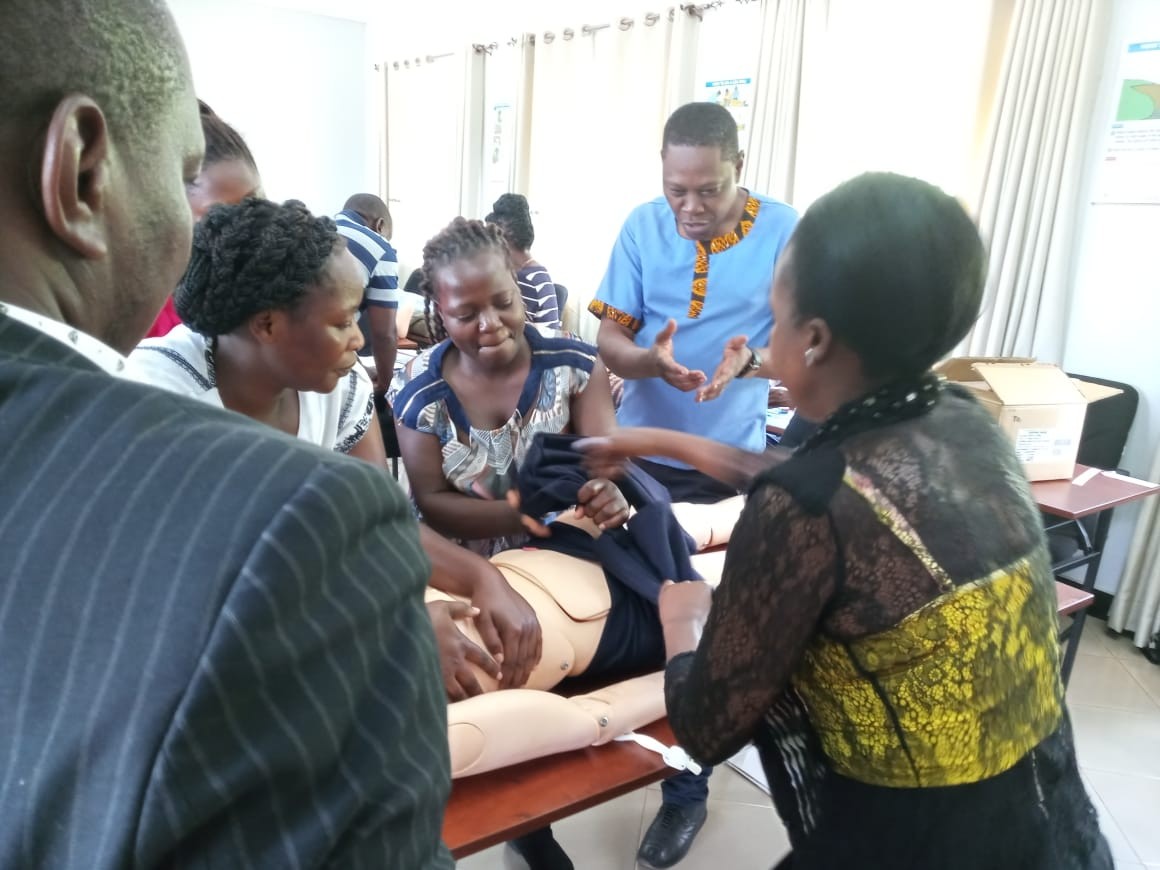
Beyond clinical work, Zikusooka has become a trainer and mentor in basic life support, CPR and emergency care skills for fellow health workers across the region.
He now supports capacity-building programmes reaching clinicians in a catchment population of over two million people.
He has also taken health education to community radio platforms, where he explains emergency care services and encourages early hospital visits for critically ill patients.
Zikusooka says the greatest impact of the fellowship is not only what he can now do individually, but what his colleagues can do because of shared training.
He believes sustained improvements in emergency care require both continued training and improved medical equipment at health facilities.
“The programme is well-structured and impactful, and more health workers should benefit from it. Additional equipment will further strengthen emergency care services,” he said.
He expressed gratitude to the programme partners, noting that the fellowship has significantly transformed emergency care delivery at Masaka Regional Referral Hospital.
