

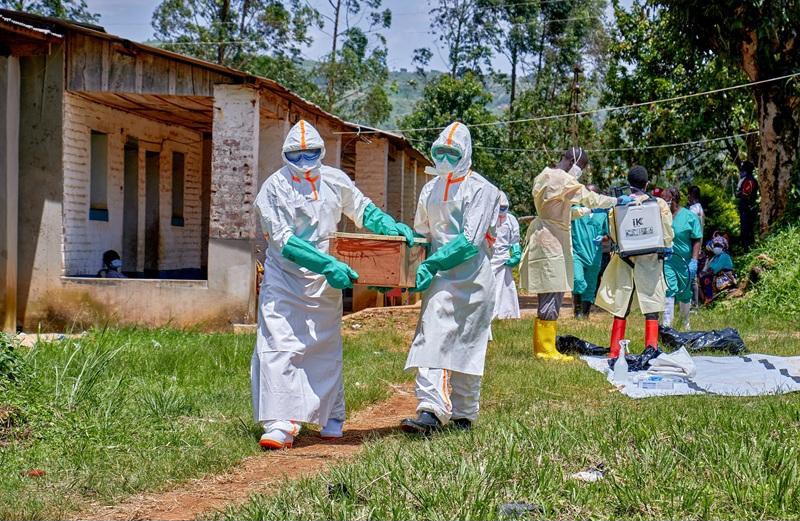
NEBBI — Ugandan authorities are on high alert after reports that 114 Ebola patients escaped from a treatment centre in Ituri Province in eastern Democratic Republic of Congo (DRC), as officials struggle to curb illegal border crossings through porous entry points in the West Nile sub-region.
Security officials in Greater Nebbi last month closed all gazetted border posts, including Padea in Zombo District, Goli Customs in Nebbi District and Dei in Pakwach District, in a bid to prevent the spread of Ebola.
However, residents and traders continue to use unmanned crossing points, particularly at night, raising concerns about possible transmission into Uganda.
The districts considered most at risk include Nebbi, Zombo, Pakwach and Arua.
At least nine Congolese nationals were arrested in Pakwach while trying to sneak into Kampala after evading border movement bans. Along with the nine, more than 30 other Congolese have been deported after illegally crossing into the country.
Most of the cases registered in the country - including the first case and only dead - were imported from DR Congo and transmitted to relatives.
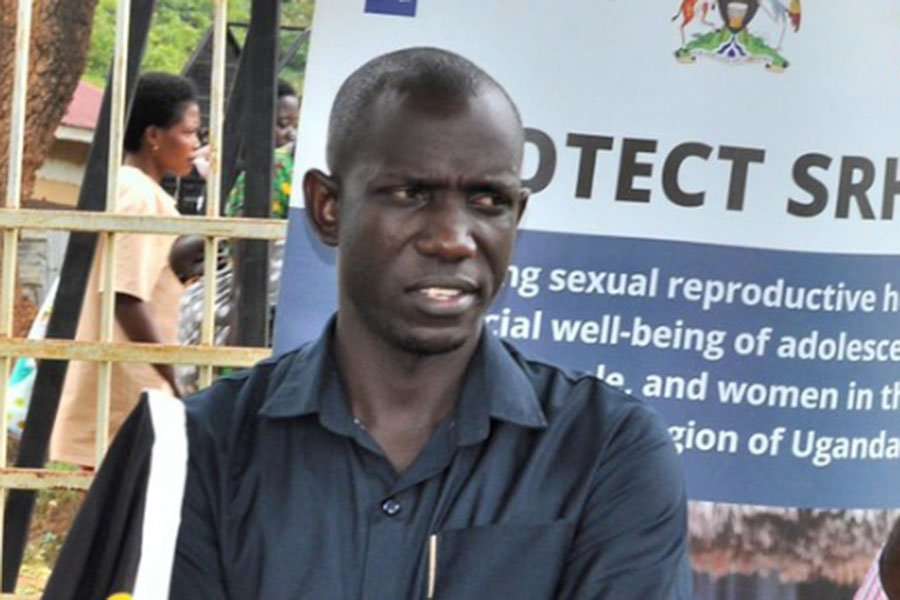
Paul Bwire, the Deputy Resident District Commissioner for Nebbi District and chairperson of the district Ebola Task Force, confirmed the development during an interview at his office on Friday.
“Authorities in Congo informed us that 114 patients initially quarantined have escaped the treatment centre,” Bwire said.
“We have closed all gazetted border points, but people are still crossing through porous bush paths. Our surveillance teams are now deployed to trace them before they mix with communities.”
Although the manned border post at Goli remains closed, district officials say people continue to cross through informal routes that are difficult to monitor.
According to Bwire, health teams in Nebbi have deployed security personnel and surveillance teams along porous border points to screen travellers entering through illegal routes. Isolation facilities at Nebbi General Hospital have also been placed on standby to handle any suspected cases.
Data from the Ministry of Health indicates that no new Ebola cases have been recorded in the past two weeks.
Emmanuel Ainebyona, the Ministry of Health’s Senior Communications Officer, said the country's Ebola response remains active despite the absence of new infections.
“We have had 10 patients discharged, seven patients on admission and a total of 19 confirmed Ebola cases. No new cases have been registered in the last two weeks,” Ainebyona said.
“We are working with security forces, immigration and our surveillance teams to ensure they are able to detect any foreign nationals who may have recently entered from Congo in order to prevent the spread of Ebola.”
Containing Ebola in eastern DR Congo has been particularly challenging due to recurring resistance from some local communities, insecurity and deep mistrust of health authorities.
On several occasions, health facilities and Ebola response teams have come under attack during contact-tracing operations, quarantines and safe burial procedures, with relatives demanding the release of bodies for traditional burials or protesting restrictions imposed on affected communities.
In Mongbwalu, angry youths reportedly torched Ebola isolation tents, leading to the escape of several patients, while other response teams have been assaulted during field operations.
These challenges have significantly hampered containment efforts in Ituri Province. The difficulties have unfolded alongside a change in provincial leadership, with Lieutenant General Johnny Luboya Nkashama being replaced earlier this month by Major General Gaby Kasongo Mulumba as military governor of Ituri amid ongoing security and public health concerns.
Health officials in Uganda warn that continued movement through porous borders poses a significant risk, noting that a single undetected case could trigger a fresh outbreak in the West Nile region, which has previously experienced Ebola-related alerts and response operations.