
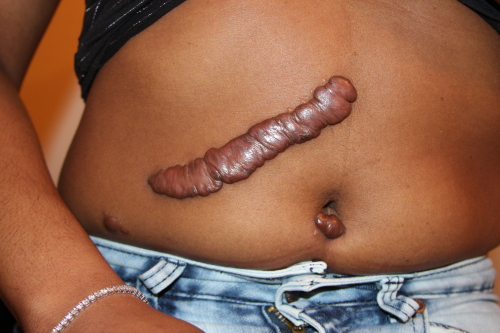
We have all had wounds at some point, maybe from a piercing, a stubborn pimple you couldn’t leave alone, a burn, a cut, tattoo removal or even surgery. For some, the skin heals quietly, leaving behind a faint mark that fades with time. But for others, the story unfolds differently. The wound closes, yet the scar doesn’t settle.
Instead, it grows becoming thicker, raised, sometimes shiny and far more noticeable than expected. What should have been a small reminder turns into something your skin simply won’t let go of, a keloid.
Keloids form when the skin heals a little too aggressively. It’s the body trying to repair itself, but going a step too far. Instead of stopping once the wound has healed, the skin continues to produce collagen, creating a raised scar that often extends beyond the original area. They commonly appear on the chest, shoulders, back and earlobes, though they can develop anywhere.
What makes keloids particularly frustrating is not just how they look, but how they feel. They can itch, feel tender or even become uncomfortable over time. And unlike regular scars, they don’t simply fade away.
In some cases, they may continue to grow or return if not properly managed. It’s no surprise that many people quietly wish they could smooth them out or make them less noticeable.
Can Keloids be treated?
“Managing keloids requires more than creams or quick fixes” says Dr Chirag Kotecha, the Lead Aesthetician at Refine Skin & Body Clinic.
He explains that advanced technologies like the Harmony XL Pro, a multi-purpose skin care platform, offer a more targeted and effective solution. Designed to treat a wide range of skin concerns, this system addresses stubborn scars with precision.
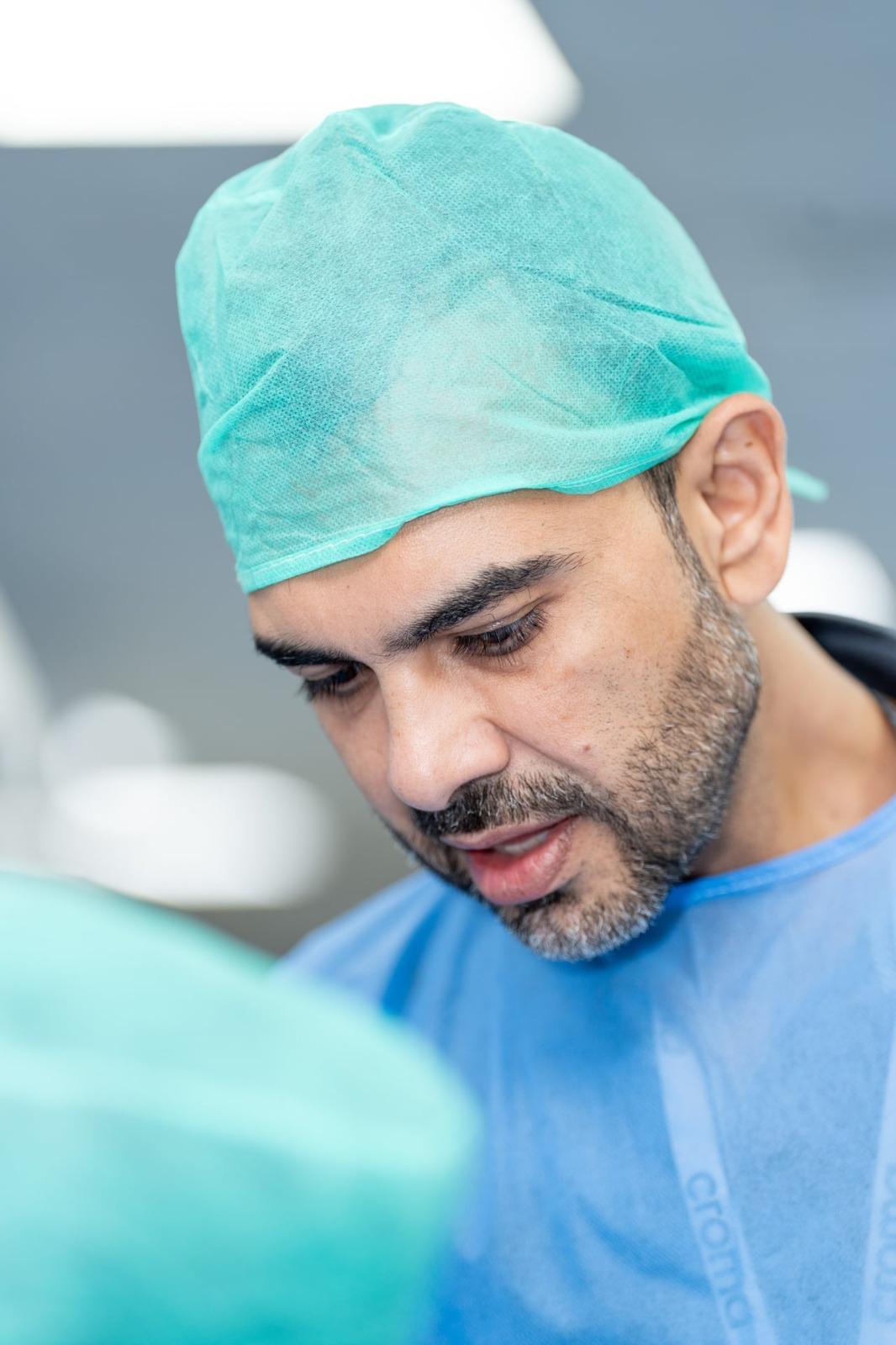
Dr. Kotecha explains that using the iPixel handpiece, an ablative fractional laser, the treatment works by creating tiny micro-channels within the scar tissue. This process encourages the skin to renew itself and helps reorganize excess collagen.
Over time, the keloid becomes softer, flatter and less prominent. There’s also a gradual improvement in texture and overall appearance, with minimal interruption to your daily routine.
The keloid healing process
Keloids don’t change overnight and that’s important to understand. While you may start noticing subtle changes early on, a series of sessions is usually needed for more visible improvement.
“Depending on the size and age of the keloid, most people require around 4 to 6 sessions, spaced a few weeks apart to allow the skin to respond and recover. With consistency, the scar can become less raised, more comfortable and easier to live with” Dr. Kotecha says.
Therefore, if you are dealing with a keloid that makes you feel self-conscious or uncomfortable, there are treatment options available. It’s not always about completely removing the scar, but about softening it, improving how it looks and feels and allowing your skin to settle in a way that feels more like you again.
Refine Skin & Body Clinic is a premium skin care and aesthetic solutions facility with branches at Forest Mall, Palm Village Mall in Kabalagala, UMC Victoria Hospital Annex in Bukoto, Juba & Kigali.
