
Ntungamo District is intensifying efforts to confront rising suicide cases after research identified the area as having one of the highest burdens in South-Western Uganda.
The intervention, developed by Mbarara University of Science and Technology (MUST) in partnership with Ntungamo District Local Government and aligned with guidance from the World Health Organization, focuses on a practical community prevention manual designed to help detect risk early and connect vulnerable individuals to care.
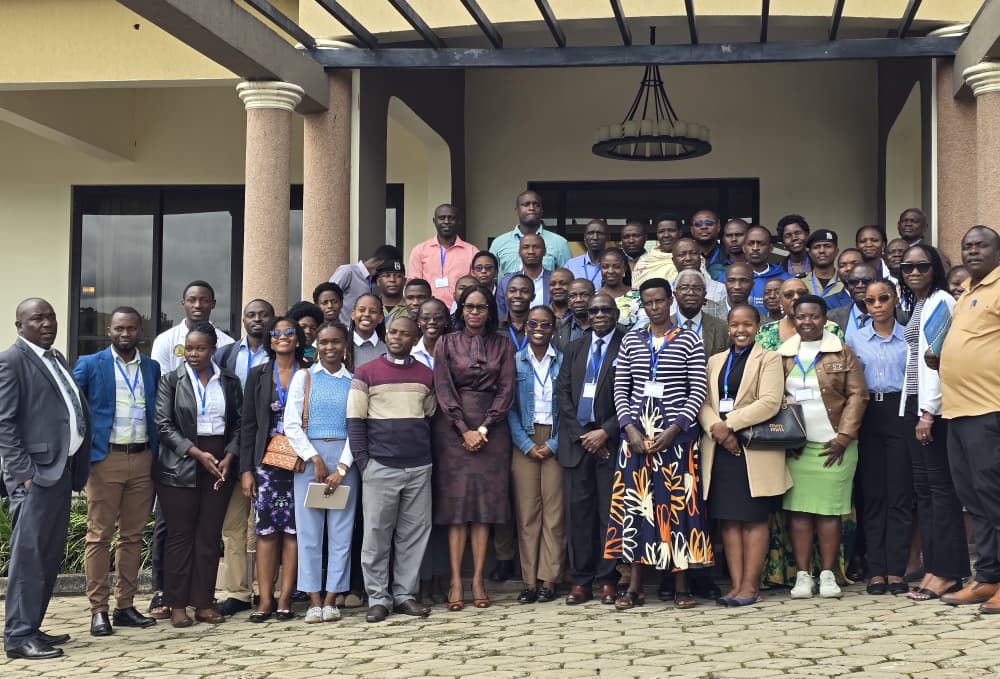
Stakeholders gathered at Ankole Resort in Ntungamo for the R34 Research Dissemination Conference under the theme, “From Silence to Support: How Communities Can Save Lives,” where findings and the prevention approach were presented.
Prof Pauline Byakika, Vice Chancellor of MUST, emphasized the importance of translating academic knowledge into actionable community interventions.
“Suicide is a significant problem globally and in our communities. This project between MUST and Ntungamo District aims to develop a manual based on WHO guidance for suicide prevention. Working with the district health management team, we aim to make Ntungamo a model district in suicide prevention,” Prof Byakika said.
Former Vice Chancellor Prof Celestino Obua highlighted the particular vulnerability of young people.
“Ntungamo was selected because studies show many suicide cases occur here, especially among youth. Each young life lost represents unrealized potential. Preventing youth suicides ensures the country retains its future human capital,” he said.
Key Findings and Risk Factors
Dr Herbert Ainamaani, a clinical psychologist from Kabale University and co-investigator, said a documentary review of primary health facilities across South-Western Uganda ranked Ntungamo highest in suicide cases.
“Our study found multiple completed suicides, particularly among males and youth, with access to means such as pesticides, ropes, and cloths being a key risk factor. The district health management team has been trained to address these issues,” Dr. Ainamaani said.
District Health Officer Dr Amon Bahati confirmed that the district continues to record suicide attempts and deaths in areas including Kitwe and Nyabihoko.
“We have had isolated cases of completed suicides and attempts in our district. These are often reported in Kitwe and along Nyabihoko,” Dr Bahati said.
Delivering the keynote address, Dr Susan Frazier-Kouassi highlighted stigma as a major barrier to prevention.
“When we lose someone to suicide, we lose their potential contribution to our community’s development. Suicide is often met with silence, stigma, and shame. Prevention is everyone’s responsibility,” she said, adding that mental illness should be treated as a medical condition, not a curse.
Psychiatrist Prof. Seggane Musisi stressed that suicide rarely occurs without warning and communities often ignore the signals.
“Suicide is a health condition, not a moral failing. Those at risk often communicate their distress, but it is dismissed. Factors like pressure and expectations contribute to the problem. Schools are seeing cases among younger age groups. Awareness and support for survivors are critical,” he said.
Stakeholders concluded that prevention relies on recognizing warning signs early and connecting affected persons to health workers, counselors, district referral pathways, and religious leaders before a crisis occurs.
