
Breast and cervical cancers remain the leading types of cancer among Ugandans, accounting for nearly half of all cases in the country, health officials have warned.
Speaking at the launch of Cancer Awareness Month in Jinja, Dr. Alfred Jatho, head of the Community Services Department at the Uganda Cancer Institute (UCI), revealed that Uganda currently has over 77,000 cancer patients.
Yet the Institute can manage only about 13,000 due to limited funding and personnel.
“Ten years ago, 90% of cancer patients were being diagnosed at late stages. Five years ago, this dropped to 80%, and currently, we are at about 70%. Although there is some progress, the majority of patients still come when cancer is advanced, making treatment extremely difficult,” Dr Jatho said.
He noted that cervical cancer accounts for 33.3% of all cases at UCI, while breast cancer contributes 14.6%.
He stressed the urgent need for nationwide awareness, early screening, and preventive measures to save lives.
Dr. Jatho also highlighted the challenge of having only one comprehensive cancer treatment centre in the country.
“You cannot expect a patient from Karamoja, Kisoro, or Arua to travel all the way to Kampala for care. Screening services should be extended to health centre IIs and IIIs because these are closest to the people,” he said.
While regional and national referral hospitals provide consultant-based services, they are not ideal for primary healthcare needs, especially for economically disadvantaged communities that cannot afford repeated hospital visits.
However, Dr. Jatho commended the government for supporting regional cancer centres.
The Mbarara Regional Cancer Centre is already operational, treating about 3,000 patients, while the Gulu Centre is nearing completion.
Currently, UCI treats approximately 10,000 patients annually, far below the national burden of 77,000.
At Jinja Regional Referral Hospital, Dr Angella Namala, a gynaecologist, said about 40% of the 150 women screened monthly are diagnosed with either breast or cervical cancer.
She attributed late presentation to misdiagnosis at lower health facilities and patients’ preference for private clinics.
“Many patients first visit private facilities, where they are often misdiagnosed. By the time they reach the referral hospital, cancer is already in late stages,” Dr. Namala explained.
She also cited a shortage of specialists, with only two medical officers screening over 150 patients monthly, and called for more trained personnel.
Despite these challenges, Dr Namala praised UCI for reducing referrals to Kampala.
“Previously, we referred almost all cancer patients to Kampala. Today, we refer only about 20%. Still, the numbers remain high, and more decentralization is needed,” she said.
She urged the government to extend cancer screening services to lower-level health facilities, especially for people in remote areas such as Namayingo and Masolya in Buvuma Islands, who cannot afford travel costs.
She also called on the media to help demystify myths around cancer screening and promote HPV vaccination for girls under 14.
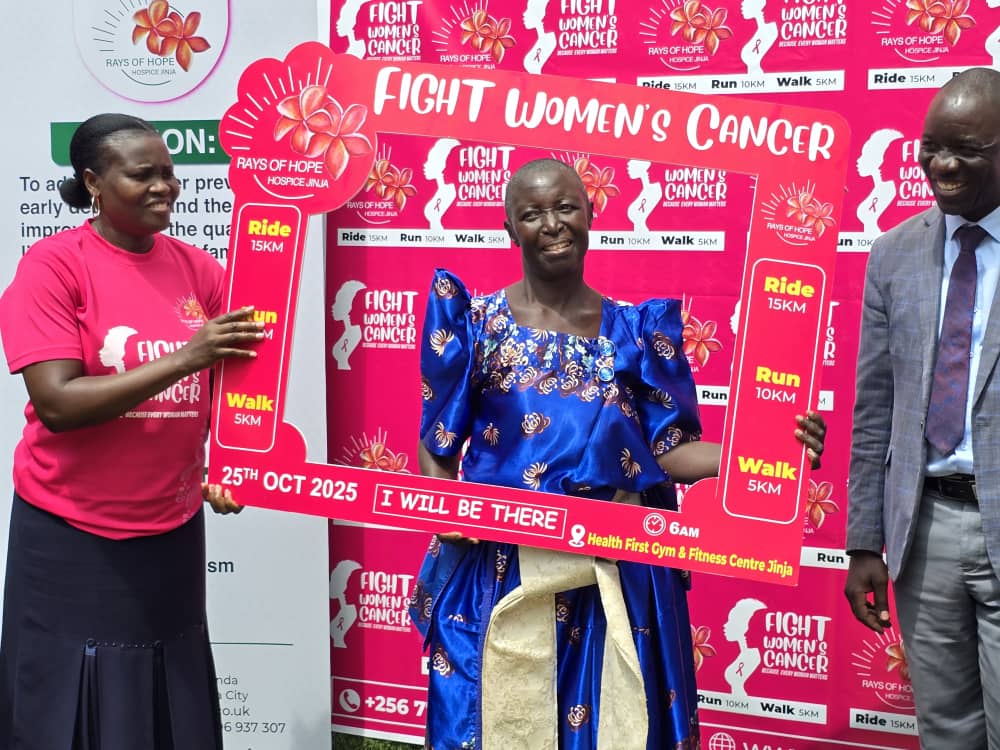
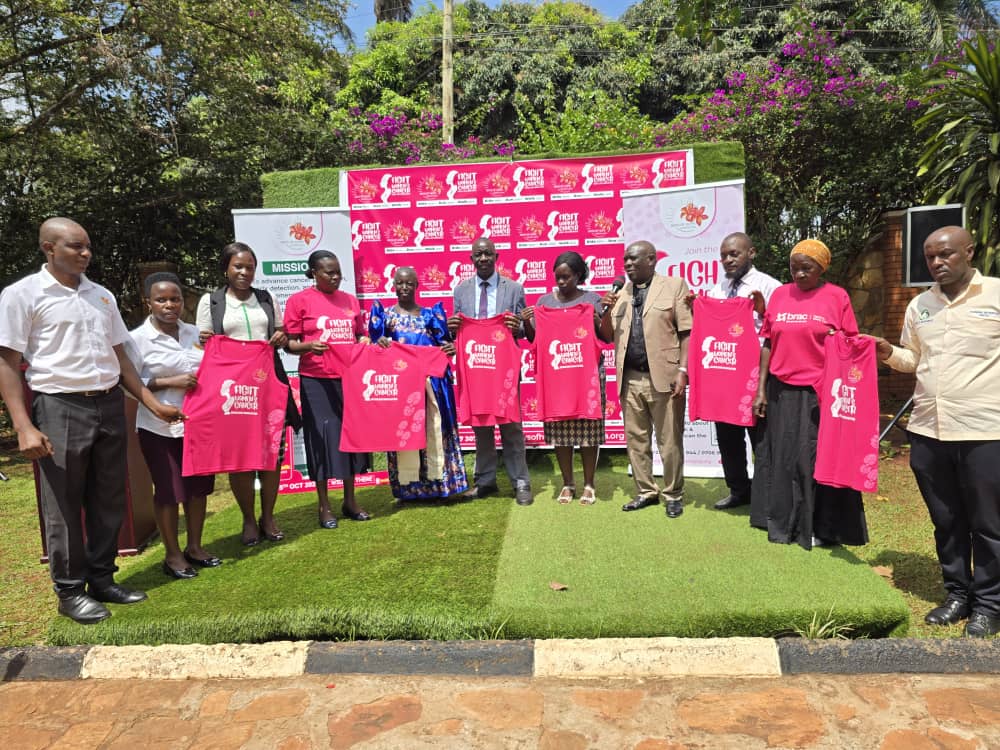
In response to rising cases, Rays of Hope Hospice Jinja has launched a campaign dubbed, “Fight Women’s Cancer” to raise awareness and promote early detection.
Sylvia Nakami, Executive Director of the hospice, said the initiative aims to raise Shs150 million to support screening for over 3,000 women in the Busoga subregion and vaccinate about 10,000 school-going children against HPV.
“Ignorance remains one of the biggest contributors to late diagnosis. Through this campaign, we want to reach women in both urban and rural areas with information, free screening, and prevention services,” Nakami said.
Health experts warn that without early detection and improved access to care, Uganda risks losing many lives to preventable and treatable cancers such as cervical and breast cancer, which continue to rise across the country.
