
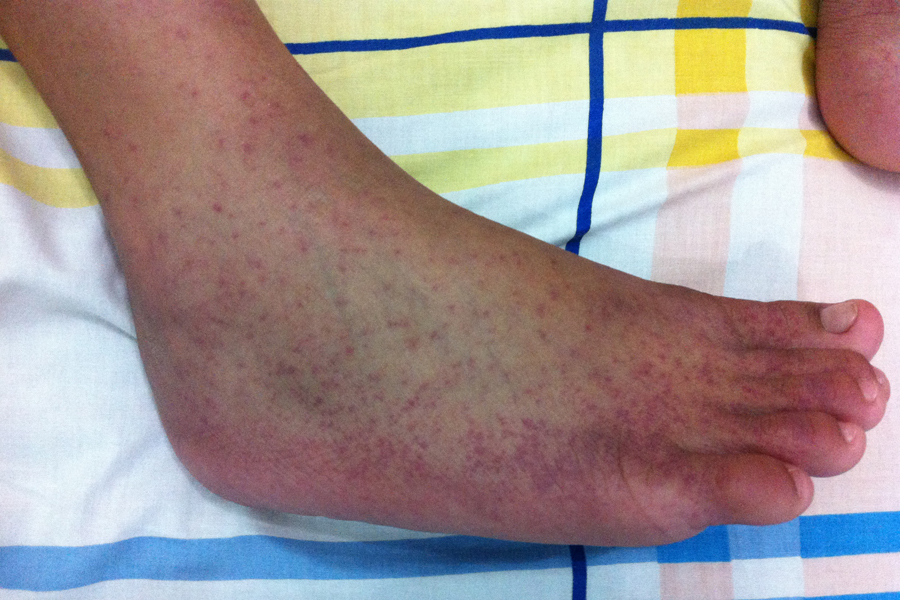
The World Health Organisation (WHO) has issued a global health alert over a fast-moving outbreak of chikungunya, a mosquito-borne viral disease, that is sweeping across the Indian Ocean islands and making inroads into mainland Africa and South East Asia.
Speaking at a media briefing in Geneva on Tuesday, Dr Diana Rojas Alvarez, WHO’s lead on arboviruses, said the current spike bears alarming similarities to the 2005–2006 outbreak that originated from the same region and spread across continents.
“Just like 20 years ago, the virus is now spreading further to other countries such as Madagascar, Somalia and Kenya,” she said.
“South East Asia—including India, Sri Lanka and Bangladesh—is also experiencing epidemic-level transmission.”
On Réunion Island alone, more than 54,000 chikungunya cases have been confirmed this year, including nearly 3,000 emergency room visits, 578 hospitalisations, and 28 deaths, according to the Pacific Community.
Neighbouring islands such as Mauritius and Mayotte are also grappling with large-scale outbreaks.
France and Italy have each reported domestic cases in patients with no recent travel history, raising fears of delayed diagnoses due to limited clinical familiarity with the disease in Europe.
What is chikungunya?
Chikungunya is a viral disease that was first identified in 1952 during an outbreak in southern Tanzania.
The name "chikungunya" comes from the Kimakonde language, spoken by the Makonde people of the region, and means "to become contorted," describing the stooped posture of sufferers due to severe joint pain.
The virus is transmitted to humans by infected Aedes mosquitoes, primarily Aedes aegypti and Aedes albopictus.
After its discovery, chikungunya remained relatively obscure for decades, with sporadic outbreaks across Africa and Asia.
However, in the early 2000s, the virus began to spread more aggressively, causing major epidemics in the Indian Ocean islands, India, Southeast Asia, and later reaching the Americas in 2013.
Its rapid global spread has been driven by increased human travel and the wide distribution of its mosquito vectors.
Symptoms include sudden high fever, skin rash, fatigue, and severe joint pain, which can persist for months or even years.
WHO says up to 40% of patients may suffer long-term disability due to joint complications.
Although two chikungunya vaccines have received regulatory approval in some countries, they are not yet recommended for widespread global use.
WHO says further evaluation is needed before issuing global vaccination guidelines.
In the meantime, the organization is working with affected countries to bolster laboratory testing, public communication, clinical training, and mosquito control interventions.
Uganda remains at risk
While Uganda has not reported a confirmed chikungunya outbreak during the current wave, health experts warn the country remains vulnerable due to its tropical climate and widespread Aedes mosquito populations.
A previous clinic-based study found that 55.9% of febrile patients in Uganda tested positive for chikungunya antibodies, although researchers noted that some infections may have been caused by the closely related o’nyong-nyong virus.
“With favorable mosquito breeding conditions and previous viral circulation, Uganda must remain alert,” one expert noted.
“Strengthening surveillance and preventive measures is essential.”
WHO recommends eliminating mosquito breeding sites, wearing protective clothing, and using repellents as key steps in preventing chikungunya infection in both affected and at-risk regions.
