
For 15 years, Mutebi Derrick has lived a life that many of us can hardly imagine, one of weekly hospital visits, constant fatigue, and a strict health routine.
Diagnosed with kidney failure, Mutebi is among the growing number of Ugandans facing the burden of kidney disease, a condition that often goes unnoticed until it’s too late.
“I used to wake up with strange swellings, especially on my face. At times, I would get terrible headaches, and later I began experiencing severe stomach pain that wouldn’t go away even with painkillers. That’s when I decided to visit Mulago Hospital. It was there that I was told my kidneys had failed,” Mutebi recalls.
His doctor pointed out a truth that many often ignore—our daily habits can determine our health outcomes.
Mutebi admits he rarely checked his blood pressure, used painkillers without much thought, and generally ignored signs from his body.
Today, he depends on dialysis twice a week to survive.
“Before dialysis, I usually feel weak. My eyesight becomes poor, and I sometimes get diarrhoea. The process gives me some relief, but it's demanding—physically, emotionally, and financially," he shares. “You also need to eat well during dialysis to maintain your strength.”
Kidney disease is when the kidneys no longer function properly.
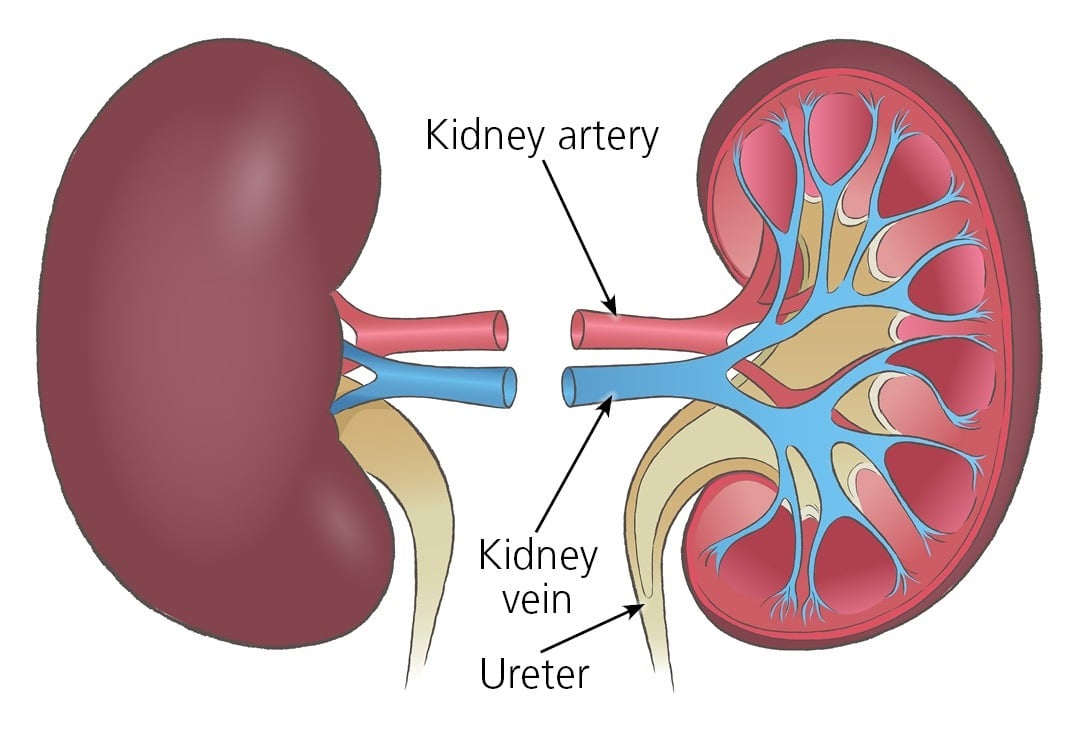
These vital organs are responsible for filtering toxins from the blood and removing waste through urine.
When they fail, dangerous substances build up in the body, leading to serious health problems.
According to kidney specialist Robert Kalyesubula, kidney disease is tricky because it doesn’t usually show symptoms until the damage is severe.
Some warning signs include swelling in the feet and face, but many people—up to 90%—don’t show any signs until it’s too late.
Kalyesubula explains that kidney disease progresses through five stages.
In stages one and two, the disease can still be reversed.
However, by stage five, known as kidney failure, patients must rely on dialysis or a kidney transplant to survive.
One of the most alarming facts about kidney disease is that it is rarely inherited.
Instead, the condition is mainly driven by lifestyle factors.
High blood pressure, obesity, not drinking enough water, and the overuse of painkillers are the biggest causes.
Many people take medications like paracetamol or ibuprofen regularly without realizing the damage they’re causing to their kidneys.
He emphasizes the importance of routine health checks, staying hydrated, eating healthy, and controlling blood pressure.
For patients like Mutebi, dialysis offers a lifeline—but it’s not without its cost.
Besides the physical toll it takes, dialysis is expensive and requires regular hospital visits.
Many patients struggle to keep up with the treatments.
“I’ve seen people miss their sessions because they don’t have transport or money for food,” Mutebi shares.
“This is not just a medical issue; it’s a social and economic one too.”
Mutebi’s journey is a reminder that the kidneys may be small organs, but they play a big role in keeping us alive.
Taking them for granted could come at a high cost.
“Listen to your body,” Mutebi urges. “Don’t wait until you’re lying in a hospital bed to start caring about your health.”
