
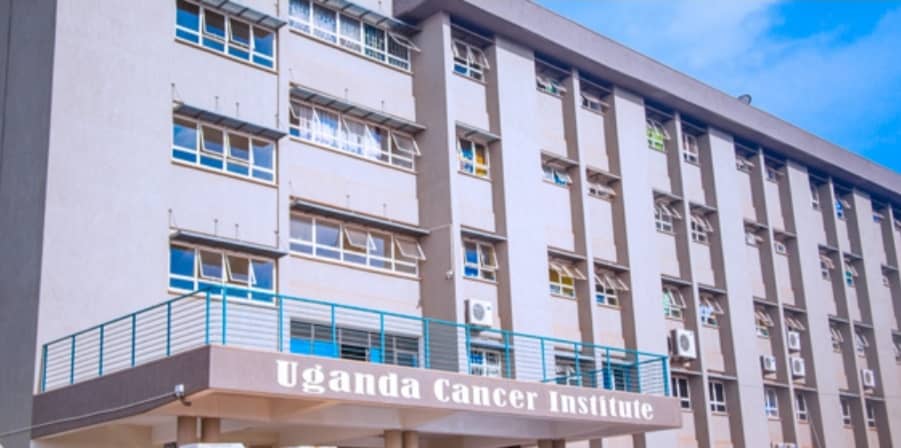
Cancer remains one of Uganda’s most pressing health challenges, with 80% of patients succumbing to the disease within the first year of diagnosis.
Late detection, limited access to specialised treatment, and financial constraints contribute to this alarming statistic, making cancer a growing public health emergency.
According to the Uganda Cancer Institute (UCI), cancer cases are on the rise, with thousands diagnosed each year.
Unfortunately, over 75% of cases are detected in advanced stages, drastically reducing survival chances.
The high mortality rate is fuelled by inadequate awareness, poor screening services, and delays in seeking medical care.
"The biggest challenge we face is late diagnosis. By the time most patients arrive at the Uganda Cancer Institute, their disease is already in advanced stages, making treatment more complex and less effective," said Dr Henry Ddungu, an oncologist at UCI.
The most prevalent cancers in Uganda include:
- Cervical cancer – The leading cancer among women, largely linked to HPV infections.
- Breast cancer – A major cause of death due to late diagnosis and limited treatment options.
- Prostate cancer – The most common cancer among men, often detected too late.
- Liver cancer – Closely associated with hepatitis B infections.
- Kaposi’s sarcoma – Highly prevalent among people living with HIV/AIDS.
Dr Jackson Orem, executive director of the Uganda Cancer Institute, emphasised that cervical cancer alone accounts for a significant number of cancer-related deaths among Ugandan women, yet it is preventable through early screening and vaccination.
Cancer is caused by abnormal cell growth triggered by various risk factors, including:
- Infections – Viruses like HPV, hepatitis B, and Epstein-Barr increase cancer risk.
- Lifestyle choices – Smoking, excessive alcohol consumption, and unhealthy diets contribute to multiple cancer types.
- Environmental exposure – Prolonged contact with pollutants, chemicals, and radiation can lead to cancer.
- Genetics – Some cancers run in families, though lifestyle factors still play a major role.
"Prevention is key. If we invest in vaccines, lifestyle changes, and early screening, we can significantly reduce the burden of cancer in Uganda," Dr. Ddungu stated.
While not all cancers are preventable, individuals can reduce their risk through:
- Early screening – Regular check-ups for cervical, breast, and prostate cancer improve early detection.
- Vaccination – The HPV vaccine can prevent cervical cancer, and the hepatitis B vaccine reduces liver cancer risk.
- Healthy lifestyle – Eating a balanced diet, exercising, avoiding smoking, and limiting alcohol intake lower the risk of developing cancer.
- Reducing exposure – Wearing protective gear in high-risk work environments and avoiding long-term contact with harmful chemicals.
