
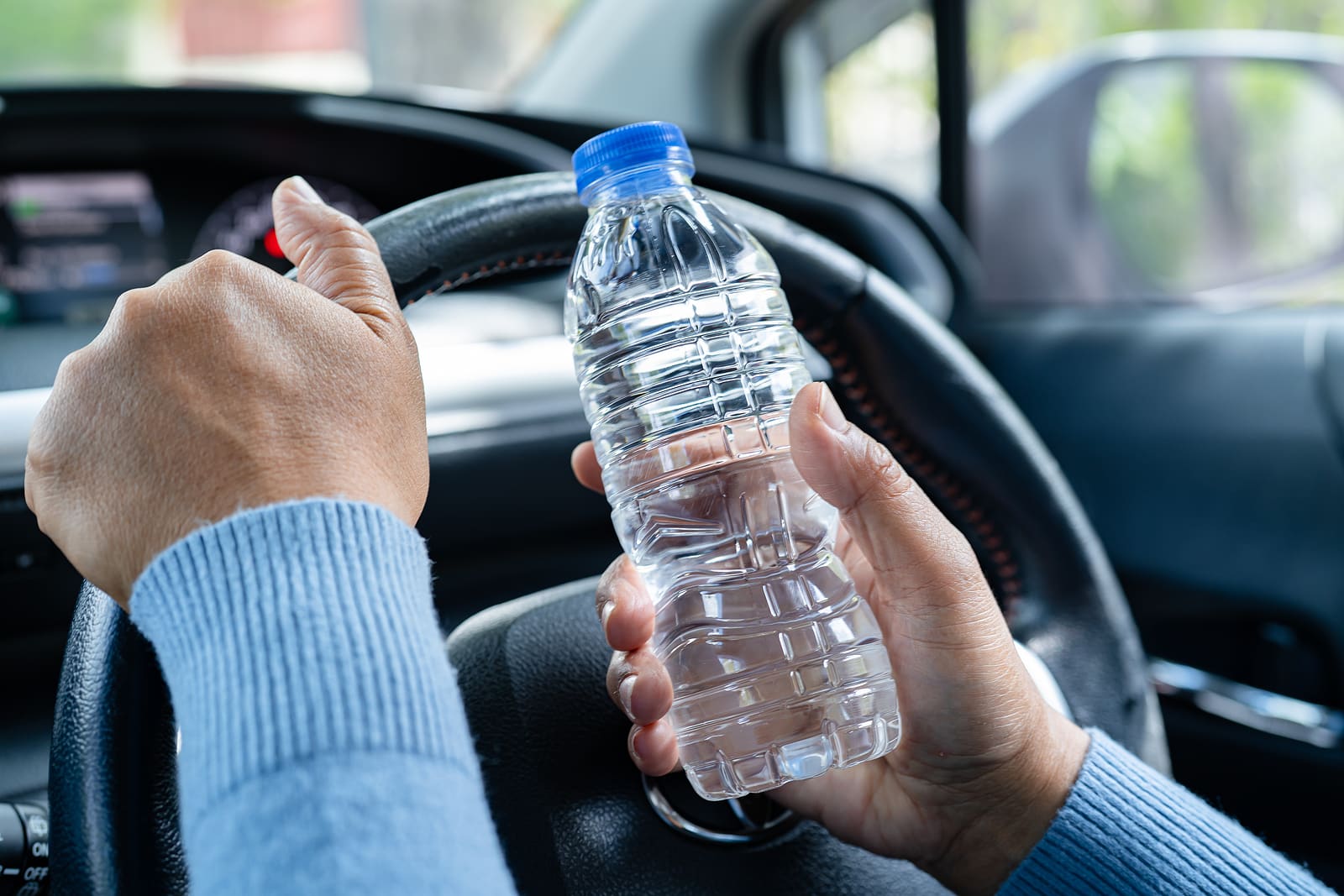
Water is life even when you don't see the how, like when driving, whether you are sweating on a chilly day or just on a chilly afternoon.
Driving through the bustling streets of Kampala or along on highways, can be physically and mentally demanding. While motorists often focus on road safety, one hidden risk is often overlooked: dehydration.
Even if you are not sweating visibly, your body loses water continuously. Insensible water loss occurs through breathing and skin evaporation, especially in dry, air-conditioned vehicles.
On top of that, long hours behind the wheel increase fatigue and reduce your alertness.
Why staying hydrated matters
- Maintains concentration and reaction time
Dehydration, even mild, can impair cognitive functions such as focus, memory, and reaction time. For a motorist navigating Uganda’s busy roads, a delay of even a fraction of a second in responding to traffic can have serious consequences.
- Prevents fatigue
Driving for more than an hour or covering long distances of 30 km or more without water can accelerate fatigue. Feeling sluggish or sleepy behind the wheel increases the risk of accidents, especially on highways and congested urban roads.
- Supports body temperature regulation
The human body naturally heats up during mental stress, including driving in traffic jams. Without sufficient hydration, your ability to regulate body temperature decreases, leading to dizziness, headaches, or nausea.
- Reduces the risk of cramps and discomfort
Sitting for long periods can cause muscle stiffness. Dehydration worsens this by reducing blood flow to muscles, increasing the risk of cramps, especially during extended trips.
Tips for staying hydrated while driving in Uganda
- Carry water with you: A small bottle of water within reach can make a huge difference.
- Sip regularly: Avoid drinking large amounts at once; take small sips every 20–30 minutes.
- Avoid excessive caffeine or sugary drinks: While tea, coffee, and sodas may quench thirst temporarily, they can contribute to dehydration.
- Plan for breaks: For trips longer than 30 km or an hour, make stops to stretch and drink water.
Hydration is a silent safety tool that every motorist should embrace. In Uganda, where traffic jams and long-distance drives are common, ignoring water intake can compromise both health and safety.
By staying hydrated, you not only protect your body but also ensure sharper reflexes, quicker decisions, and a safer journey for yourself and everyone on the road.
However, watch out for this: Do not drink bottled water left in a car on a hot day, ever!
Bottled water left in a car on a hot day can pose health risks. High temperatures can cause chemicals from the plastic, such as bisphenol A (BPA) and phthalates, to leach into the water.
Consuming water contaminated with these chemicals has been linked to hormonal disruptions and other health issues over time.
Additionally, heat creates an ideal environment for bacterial growth inside the bottle, especially if it has been opened before.
For these reasons, it’s safest to avoid drinking water that has been stored in a hot car for extended periods and instead use freshly poured or properly refrigerated water.
