
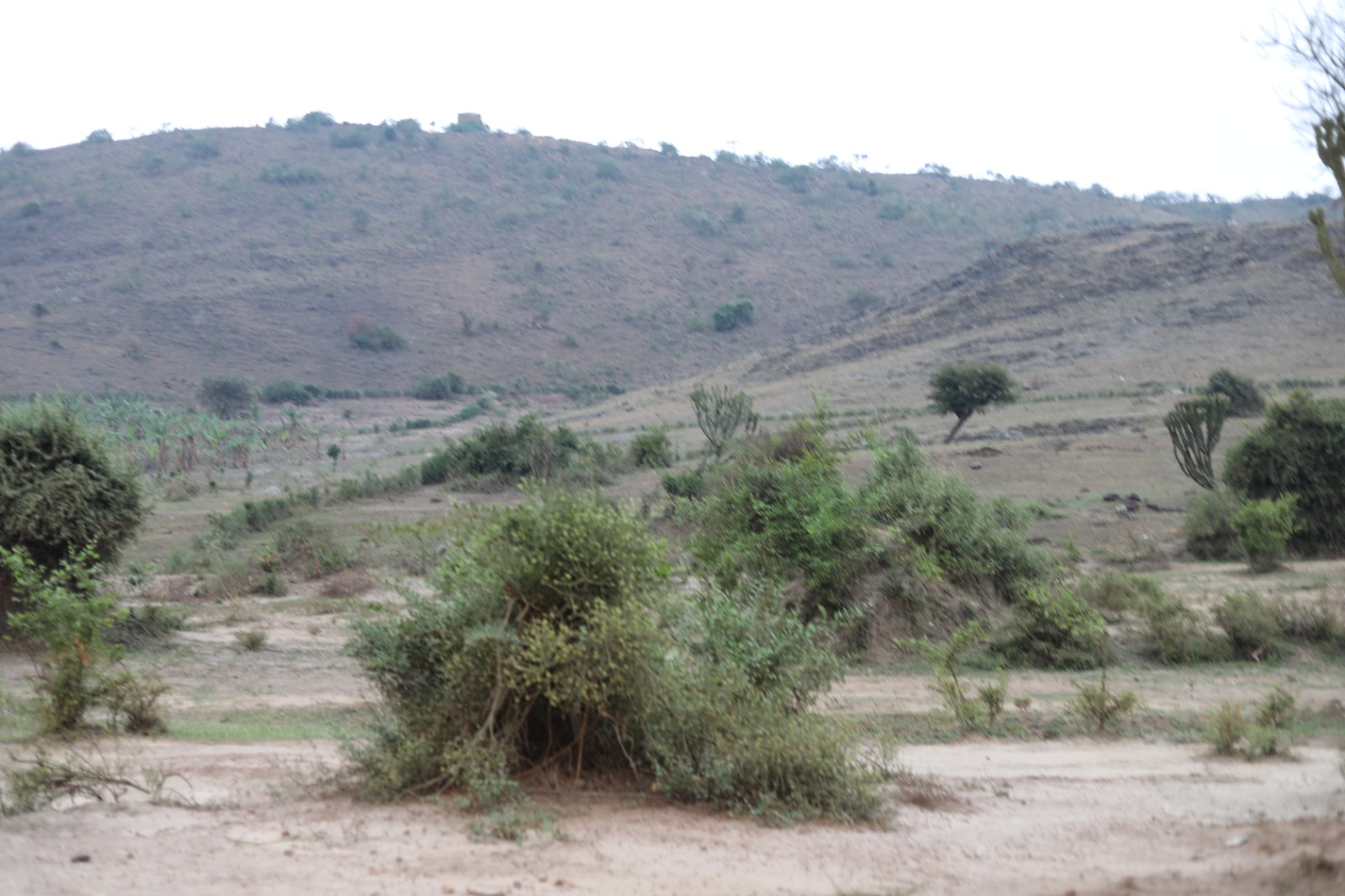
Isingiro — The steep, brown hills surrounding Nakivale and Oruchinga tell the story before any official does: the trees are gone, the soils exhausted, and the pressure mounting as Uganda’s refugee population edges toward two million.
Uganda now hosts roughly 1.93 million refugees—the largest caseload in Africa, according to the UN refugee agency (UNHCR). Daily arrivals continue, driven by conflict in Sudan, South Sudan, and the Democratic Republic of Congo, with at least 300 new arrivals reported weekly.
“Emergency funding runs out in September,” UNHCR’s External Relations Director Dominique Hyde warned this month. Without new support, she added, “more children will die of malnutrition… and families will be left without shelter.”
Isingiro District alone shelters Nakivale—one of Africa’s oldest refugee settlements and the world’s eighth-largest—and the smaller Oruchinga. By October 2024, Nakivale hosted about 171,000 people.
The latest official reports put the figure at over 260,000 as of August 2025, while Oruchinga accommodates around 725, according to OPM officials and district leaders.
The concern is immediate and tangible. Food rations have been cut in recent years amid a global funding crunch, pushing families to turn to the surrounding landscape for fuel and sustenance.
“As refugees increase, the pressure on wildlife in the district increases,” said District Chairperson Alone Turahi.
Wilberforce Bakiga, Mayor of Isingiro Town Council, put it bluntly: “Back home, some of these refugees eat everything… we need to sensitize them to understand the value we attach to our wildlife.”
The environmental arithmetic is stark. Multiple assessments since 2022 show that about 98–99% of households in Uganda’s refugee settlements still cook with wood biomass—firewood or charcoal—often using traditional three-stone fires.
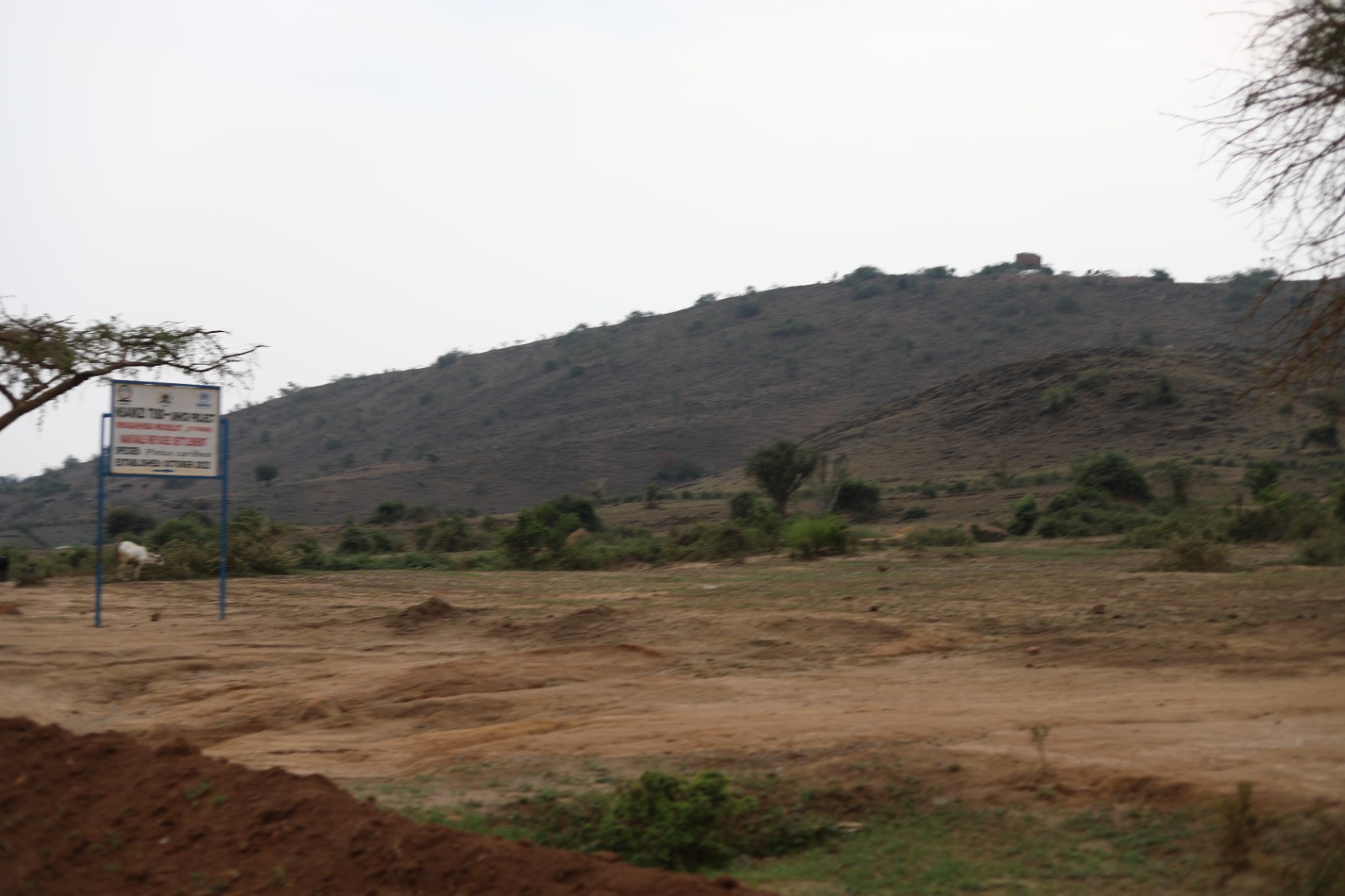
This unsustainable demand strips forests and drives wetland encroachment as papyrus roots are uprooted. UNHCR’s energy reports describe briquettes and improved stoves as “transitional” at best; clean fuels remain rare and expensive.
A 2024 desk review of Uganda’s refugee response found biomass reliance at 99% for both refugee and host households.
Ugandan authorities stress that law enforcement must be paired with awareness. Kamoga Abdu, Senior Environmental and Natural Resources Officer in Isingiro, raised concerns about the worsening ecological breach fueled by inadequate funding for monitoring and supervision.
“No development project should be undertaken without a prior Environmental and Social Impact Assessment. There is a need for enhanced funding to strengthen environmental protection and monitoring,” Kamoga said.
Kampala has previously acted to safeguard contested lands. During a 2021 visit to Isingiro, Prime Minister Robinah Nabbanja instructed local leaders to halt illegal land transactions and stop settling people on community land pending verification—part of a broader push to prevent encroachment flashpoints.
Yet, even as hillsides have been stripped bare, pockets of recovery exist. In Nakivale, refugee-led groups and Ugandan training institutes have planted hundreds of thousands of trees—pine, acacia, and bamboo—to restore shade, enrich soils, and provide future fuelwood.
The initiative, implemented by Nsamizi through UNHCR and other partners, has made a visible impact, though tangible results remain limited.
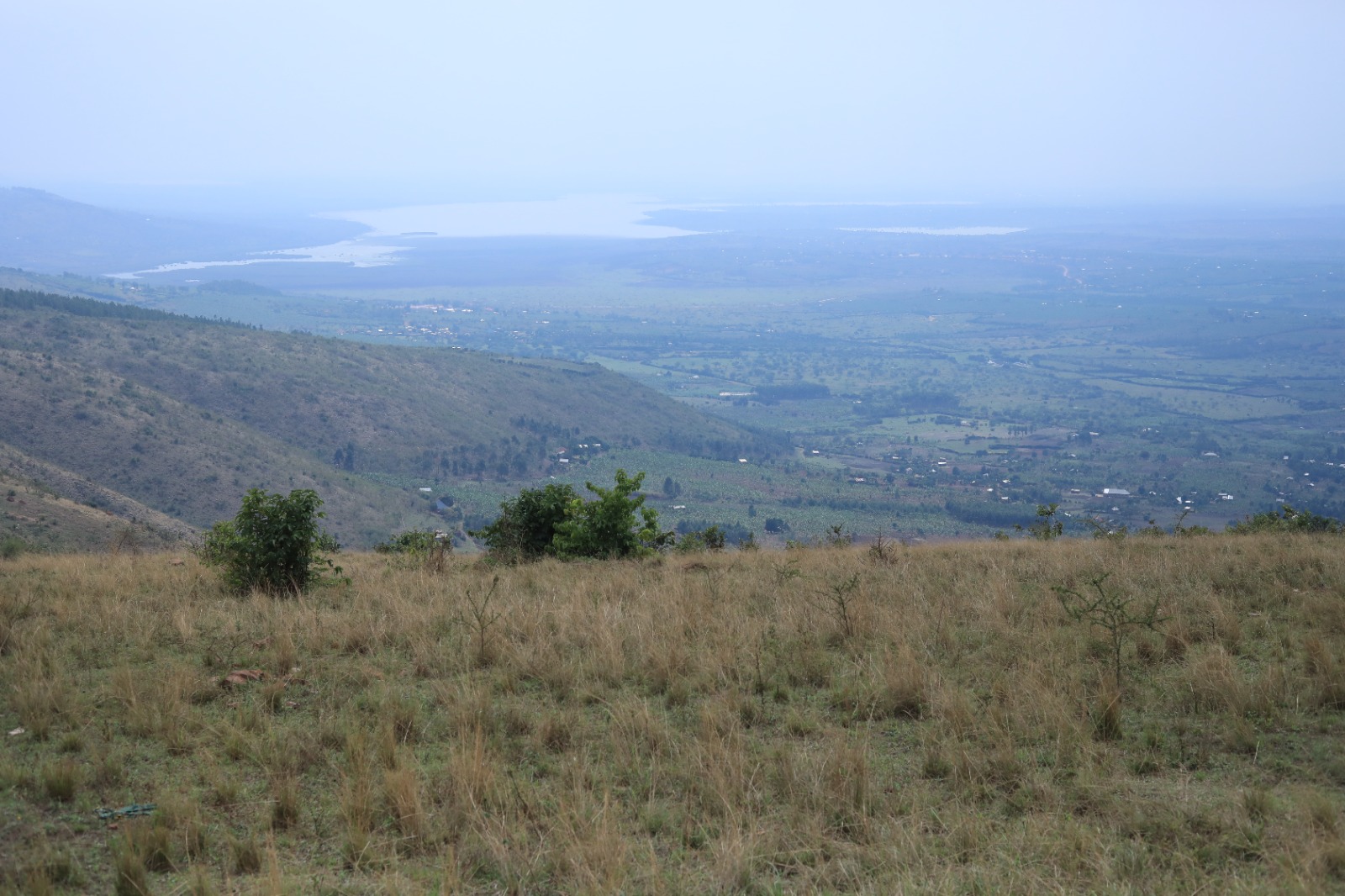
Gains are fragile; refugees and host communities often revert to deforestation due to the lack of sustainable alternatives. The remaining shrubs, bushes, and trees cling to the water-stressed Isingiro hills.
“When we walk in the areas where we planted trees, we feel a deep sense of happiness,” said Frank Kiwanuka, a key environmental stakeholder in the settlement. Refugees share that pride.
Fatima Hassan, a member of the Refugee Welfare Council in Rubondo Zone, said they have planted at least 460,000 seedlings since 2016.
UNHCR and government partners say the solutions are clear: land-use planning, reforestation, cleaner cooking methods, and livelihoods that reduce pressure on nearby ecosystems, including the Lake Nakivale catchment area and Lake Mburo National Park, which borders parts of Isingiro.
The agency’s multi-year strategy highlights climate resilience and updates to its energy-environment plan through 2025, but warns that degradation is outpacing tree planting where funding is thin.
The funding gap is widening. As global aid shrinks, Uganda’s celebrated open-door policy faces strain.
“We have a collective obligation to support refugees… by facilitating access to quality education, healthcare, and social services,” said Matthew Crentsil, UNHCR’s Representative in Uganda, during last year’s World Refugee Day events, urging greater support for self-reliance in refugee-hosting districts.
Local leaders in Isingiro are trying to match rhetoric with action—sensitization campaigns on ecosystem conservation and protection of fragile zones, combined with advocacy for more food and energy support so families are not driven to poaching or tree-cutting.
“As we tell these people not to eat crested cranes, monkeys, and birds, we need to give them alternative sources of food. What are they going to do if we stop them from hunting, yet they do not have food?” Mr. Turahi asked.
The stakes are high and immediate. Fewer trees mean worse erosion on already-bare slopes, more silt in streams feeding Lake Nakivale’s catchments and wetlands, and longer, riskier treks—usually by women and girls—for firewood.
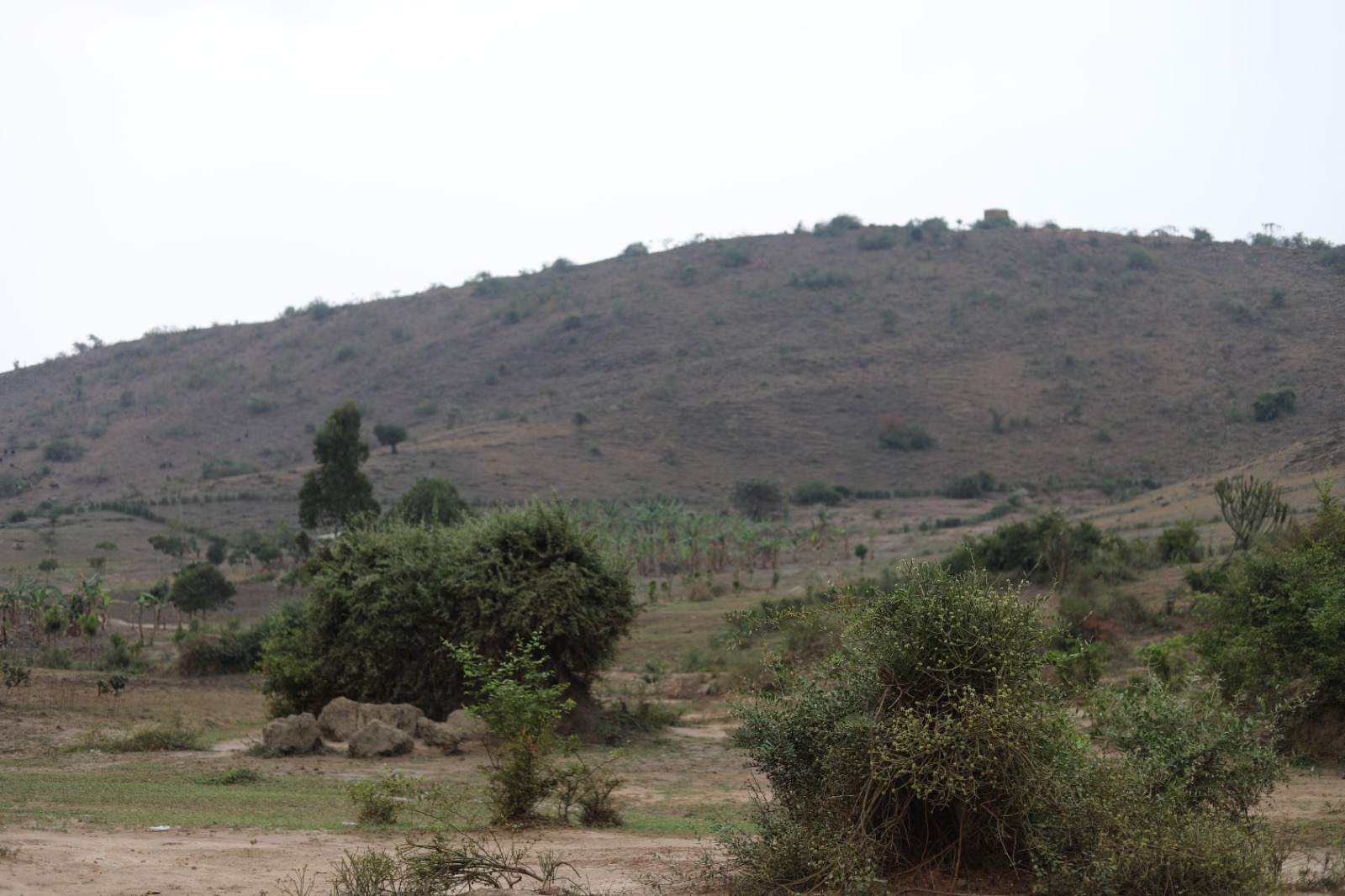
Global studies link firewood collection to protection risks in displacement settings; Uganda’s sector reviews echo the warning. Cleaner cooking—from high-efficiency biomass stoves to LPG and emerging solar-electric pilots—remains the missing piece at scale.
For now, the hills of Isingiro stand as a ledger of choices forced by crisis. If funding collapses, the ledger tips further toward the axe and the snare.
If support arrives—cash for rations, seedlings, stoves, and jobs—Isingiro’s brown slopes may once again turn green.
As Hyde warned, “Emergency funding runs out in September… unless the world steps up.” With aid to refugee support continuing to decline, local authorities are calling for intensified collaboration from all partners to restore the fragile ecosystems of Isingiro and Nakivale.
