
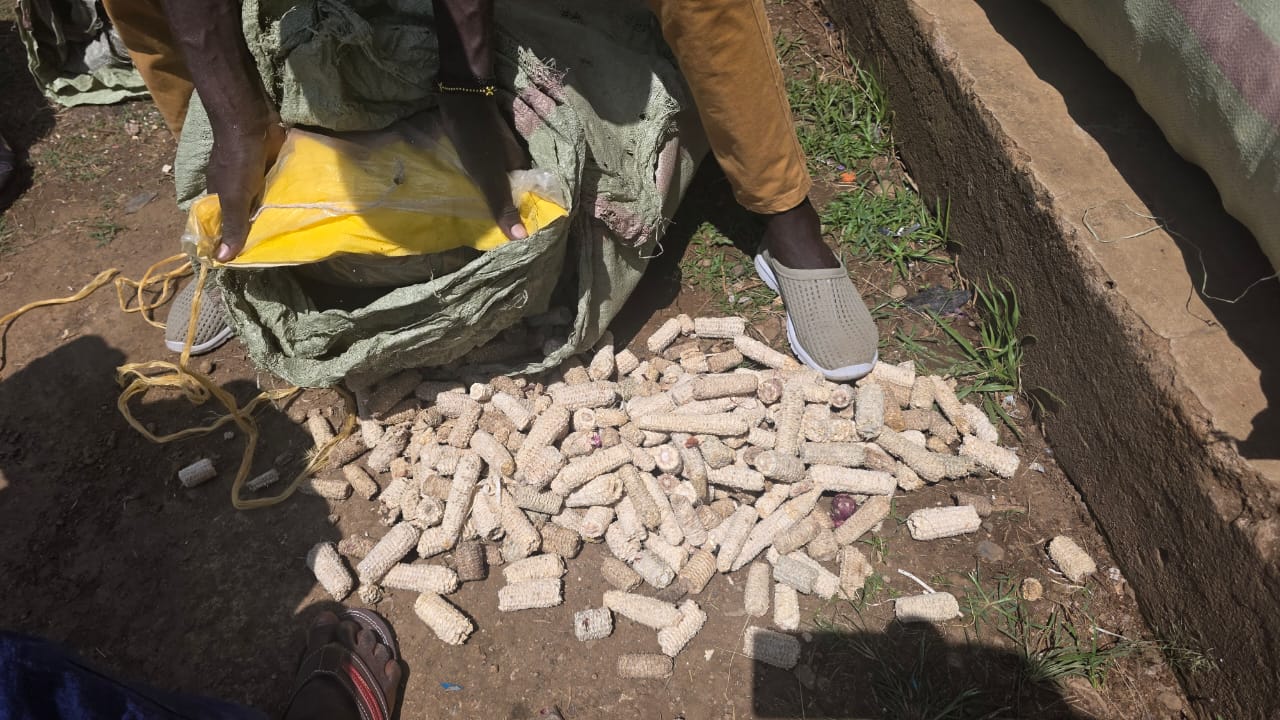
The Uganda Revenue Authority (URA) has intercepted a consignment of smuggled rice hidden inside sacks of corn cobs in Tororo District, in what officials say is the latest example of increasingly sophisticated methods being used to evade customs controls.
The seizure was made by the URA Malaba Enforcement team during an intelligence-led operation in Kaliat, Malaba, following information from an informant about suspected concealed smuggled goods.
Assistant Commissioner for Corporate and Public Affairs Robert Kalumba said the smugglers packed bags of rice together with corn cobs inside larger sacks to disguise the true nature of the consignment.
"During the operation, the team recovered a consignment of rice that had been concealed in preparation for transportation. Smugglers are bundling bags of rice and corn cobs in one big sack, a method deliberately designed to disguise the true nature of the consignment and evade detection," Kalumba said.
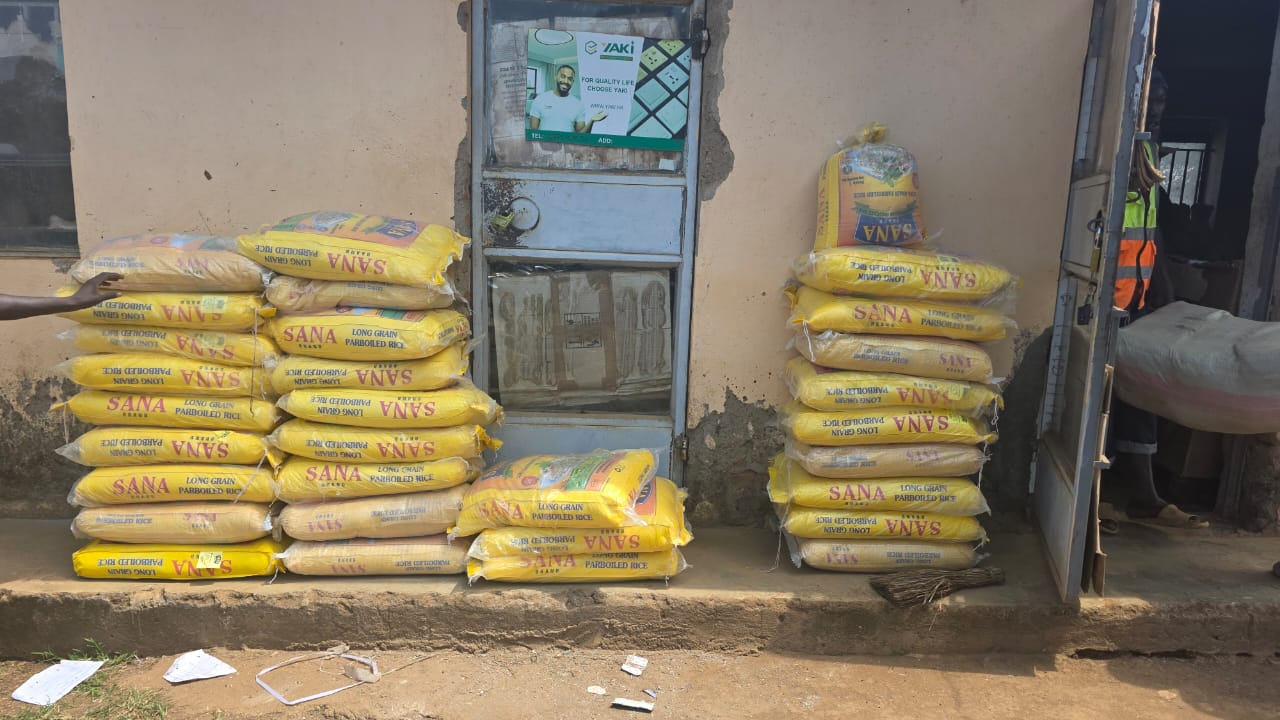
He said officers recovered 31 bags of Sana Long Grain Parboiled Rice, each weighing 25 kilogrammes, with a total weight of 775 kilogrammes.
Of the recovered bags, 25 originated from Pakistan while six were imported from India. URA estimates the value of the seized consignment at Shs5.7 million.
Kalumba said the interception underscores how smuggling syndicates are constantly adapting their tactics to stay ahead of law enforcement.
"While we continue to strengthen surveillance, smugglers are also constantly developing more creative and sophisticated concealment methods to evade customs controls," he added.
URA Commissioner General John Rujoki Musinguzi commended the enforcement team, saying the seizure demonstrates the importance of intelligence gathering in disrupting smuggling operations.
"The success of this operation demonstrates that timely intelligence, combined with swift operational response, remains one of the most effective ways of disrupting smuggling networks and protecting government revenue," he said.
Smuggling remains one of the biggest challenges facing customs authorities, particularly along Uganda's eastern border with Kenya, where high volumes of cross-border trade create opportunities for illicit movement of goods.
Over the years, URA has intercepted a wide range of concealed goods, including sugar, rice, textiles, cooking oil, electronics, cosmetics and alcohol hidden in false compartments, mixed with legitimate cargo, transported through ungazetted border routes or accompanied by falsified customs documentation.
Revenue officials say such practices not only deprive the government of much-needed tax revenue but also undermine compliant traders who pay the required import duties and taxes.
Smuggled goods may also bypass mandatory quality and safety inspections, exposing consumers to potentially substandard products.
Musinguzi has repeatedly said the authority is investing in intelligence-led enforcement, digital cargo tracking systems and stronger collaboration with security agencies to combat smuggling while facilitating legitimate trade.
He has maintained that enforcement is intended to protect fair competition, safeguard consumers and ensure every trader pays their fair share of taxes needed to finance public services and national development.
Offence management processes against those linked to the seized consignment are underway.
