
Kabale District has recorded three deaths from laboratory-confirmed Rift Valley Fever, with health authorities stepping up disease surveillance and response measures amid concerns over continued transmission among livestock.
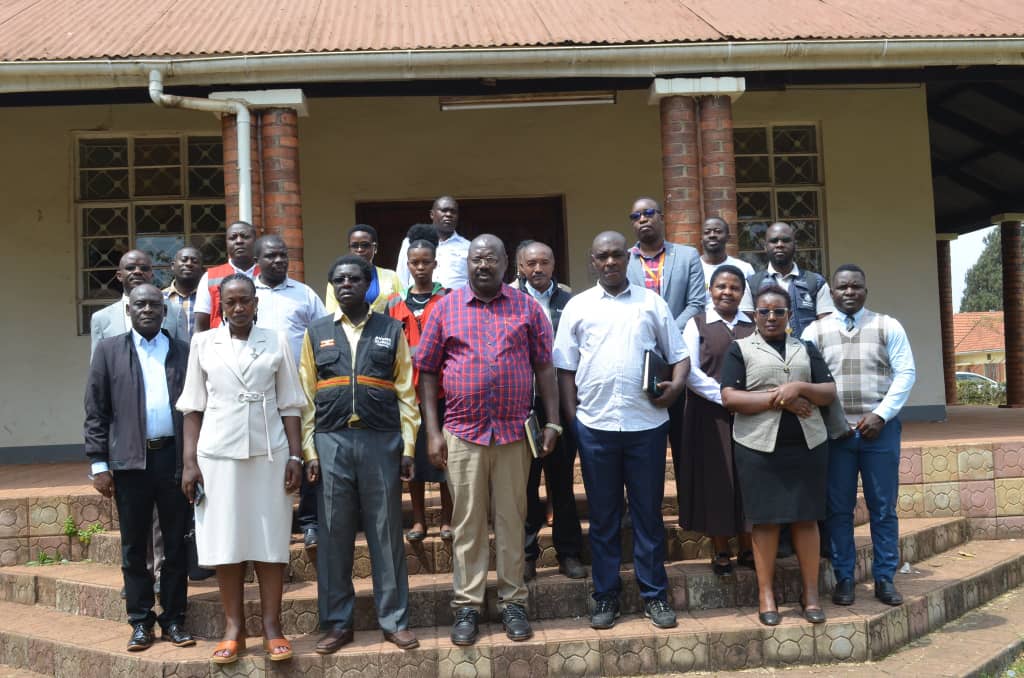
The fatalities were announced during a Kabale District Ebola Taskforce meeting, where officials revealed that all three victims tested positive for Rift Valley Fever before their deaths.
Kabale District Health Officer Dr Gilbert Mateeka said the victims included a 26-year-old cattle dealer who died on May 21, 2026, a 25-year-old identified as T.A. who died on June 4, 2026, and a 50-year-old taxi driver identified as K.S. who died on June 18, 2026.
"The cases were from Kahungye Sub-county, Kyanamira Sub-county, and Ryakarimira Town Council," Dr Mateeka said.
He noted that although there are currently no active human Rift Valley Fever cases in the district, continued reports of animal miscarriages indicate that the virus may still be circulating among livestock.
"All confirmed human cases have been fatal, but at the moment we do not have any active human infections. However, the ongoing livestock abortions suggest the virus is still being transmitted among animals," Mateeka said.
The Ministry of Health has incorporated Rift Valley Fever surveillance into the district’s Ebola preparedness plan to strengthen early detection and management of viral haemorrhagic fevers.
Godfrey Ekuka, a Public Health Officer from the Ministry of Health, said Rift Valley Fever belongs to the same category of viral haemorrhagic fevers as Ebola, Marburg and Crimean-Congo Haemorrhagic Fever.
He urged health workers and members of the public to remain vigilant, report suspected cases promptly and support community awareness campaigns.
Officials also raised concerns over the risk posed by the ongoing Ebola outbreak in the Democratic Republic of Congo, saying cross-border movement could increase Uganda’s vulnerability to imported cases.
Dr Innocent Ssemanda, a WHO epidemiologist, said Ituri Province remains the epicentre of the DRC Ebola outbreak, with 1,792 confirmed cases and 625 deaths reported so far.
"Uganda has maintained heightened surveillance since an Ebola outbreak was declared on May 15, 2026. The Ministry of Health reports 20 confirmed cases nationally, including two deaths, 17 recoveries and one patient still under treatment," Ssemanda said.
Kabale Resident District Commissioner Maj. Godfrey Katamba said the district would intensify surveillance, public awareness campaigns and coordination with government agencies and partners to contain both Ebola and Rift Valley Fever.
Kabale District Local Council Five Chairperson Denis Nzeirwe Ndyomugyenyi urged residents to cooperate with health teams, report suspected illnesses early and adhere to public health guidelines to prevent further outbreaks.
