
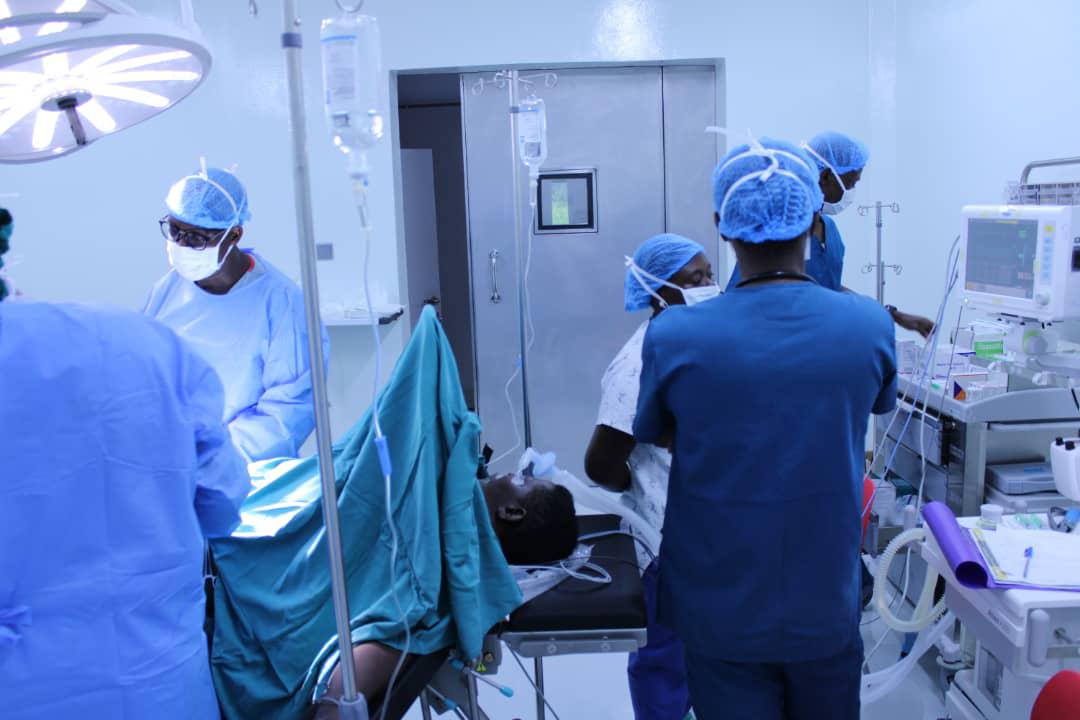
As the world marks World Cancer Day, the situation at Gulu Cancer Institute has raised fresh alarm over the growing cancer burden in Northern Uganda, with the facility struggling to cope with a surge in patients amid limited space and overstretched resources.
According to the acting head of the clinic unit, Dr Richard Obua, the increasing number of registered patients reflects a broader rise in cancer cases across the region.
He urged the public to prioritize screening and early detection, emphasizing that timely treatment significantly improves survival outcomes.
“We urge the public to come out for screening and early detection. Cancer is not a death sentence if detected early and treated properly,” Dr Obua said.
Since its launch in late 2023, Gulu Cancer Institute has registered over 1,500 new cancer cases and attended to more than 5,000 patients.
The most commonly treated cancers at the facility are cervical, breast, and prostate cancer, as the institute continues to grapple with limited space for new admissions and home-based care referrals.
Data from January to December 2025 shows that 2,105 people were screened at the institute, with 526 receiving confirmed cancer diagnoses.
During the same period, 927 patients were registered with cancer, including 868 adults and 59 children.
Despite having essential medical equipment, the institute remains overwhelmed by patient numbers.
The chemotherapy infusion room was designed to accommodate only six infusion beds, yet the facility administers chemotherapy to an average of 20 patients daily.
In the last three months alone, the institute administered chemotherapy to 588 patients, delivering a total of 1,526 chemotherapy infusions within that period.
Dr. Obua attributed the late presentation of many patients to persistent stigma and limited awareness, noting that many Ugandans still associate cancer with inevitable death.
He reiterated that cervical, breast, and prostate cancers remain the most common at the institute and are highly treatable when detected early through regular screening.
Health experts also point to the importance of HPV vaccination in preventing cervical cancer, one of the leading causes of cancer-related deaths among women in Uganda.
Expanding awareness, access, and uptake of the vaccine, particularly in rural communities, is seen as a critical prevention strategy.
To effectively address the rising cancer burden, stakeholders are calling for increased funding to improve infrastructure and staffing at cancer treatment centres, expanded screening programs for high-risk groups, stronger public education to reduce stigma, enhanced collaboration among health professionals and policymakers, and improved access to affordable cancer treatment, including chemotherapy and essential medicines.
Dr Obua reiterated that early action can save lives.
“Cancer is not a death sentence if detected early and treated properly,” he said, urging collective effort to strengthen cancer care in Uganda.
