
A new study by Financial Sector Deepening Uganda (FSD Uganda) has revealed that young women remain among the most financially excluded groups in the country, despite significant gains in national financial inclusion over the past decade.
Uganda’s formal financial inclusion rate increased from 52% in 2013 to 68% in 2023, largely driven by the expansion of mobile money services. However, the gender gap in access to financial services has widened over the same period, rising from 1 percentage point in 2018 to 6 percentage points in 2023.
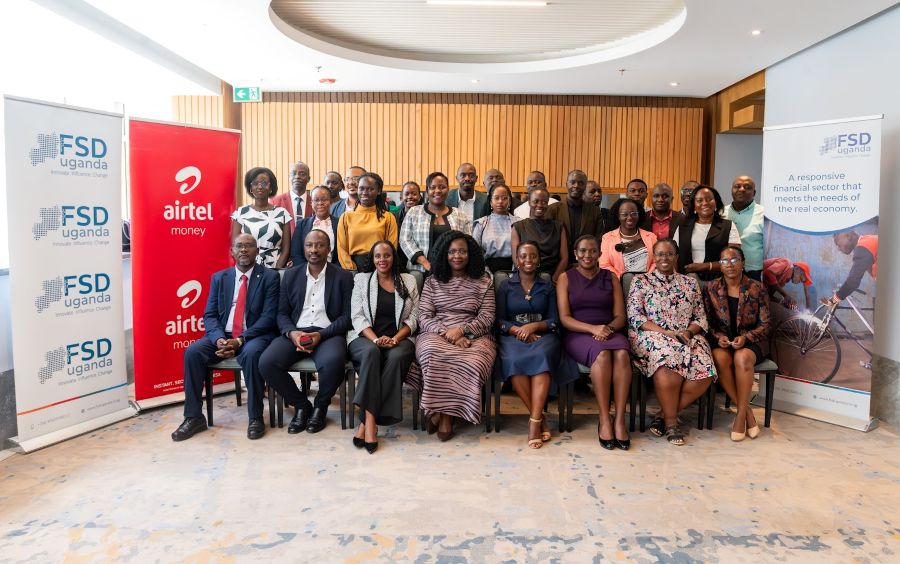
The findings were presented during a dissemination workshop on the Young Women’s Financial Inclusion (YWFI) initiative themed “From Research to Action: Deepening Financial Inclusion for Young Women in Uganda.”
Presenting the findings, FSD Uganda’s Director of Research and Insights, Joseph Lutwama, said targeted attention is needed to address the exclusion of young women from the financial system.
“We have made strides as a country, but the evidence tells us that young women have largely been left behind,” he said.
The research highlights significant disparities between young women and men aged 16–24 across key indicators. Mobile phone ownership stands at 53% for young women compared to 71% for young men, while bank account usage is 8% versus 13%. SACCO participation also shows a wide gap at 4% for young women compared to 14% for young men.
Registered mobile money usage remains consistently lower among young women, with a 10-percentage-point gap that has persisted since 2013.
The study also points to heavy unpaid care responsibilities among young women, averaging 5.2 hours per day compared to 1.6 hours for young men, a factor that significantly limits participation in income-generating and financial activities.
Lutwama noted that access to national identification remains a critical barrier to financial inclusion.
“National IDs are a mandatory requirement for opening bank accounts and registering mobile money, yet a significant portion of young women remain locked out of these services,” he said.
