
The government has stepped up negotiations with the International Monetary Fund (IMF) and other bilateral creditors to secure concessional financing for general government budget support, as authorities move to rebalance the country’s debt portfolio amid growing fiscal pressures.
The move follows a recommendation by the Auditor General under Treasury Operations (Vote 130) calling for a strategic shift toward concessional external borrowing to reduce financing costs and ease long-term debt servicing risks.
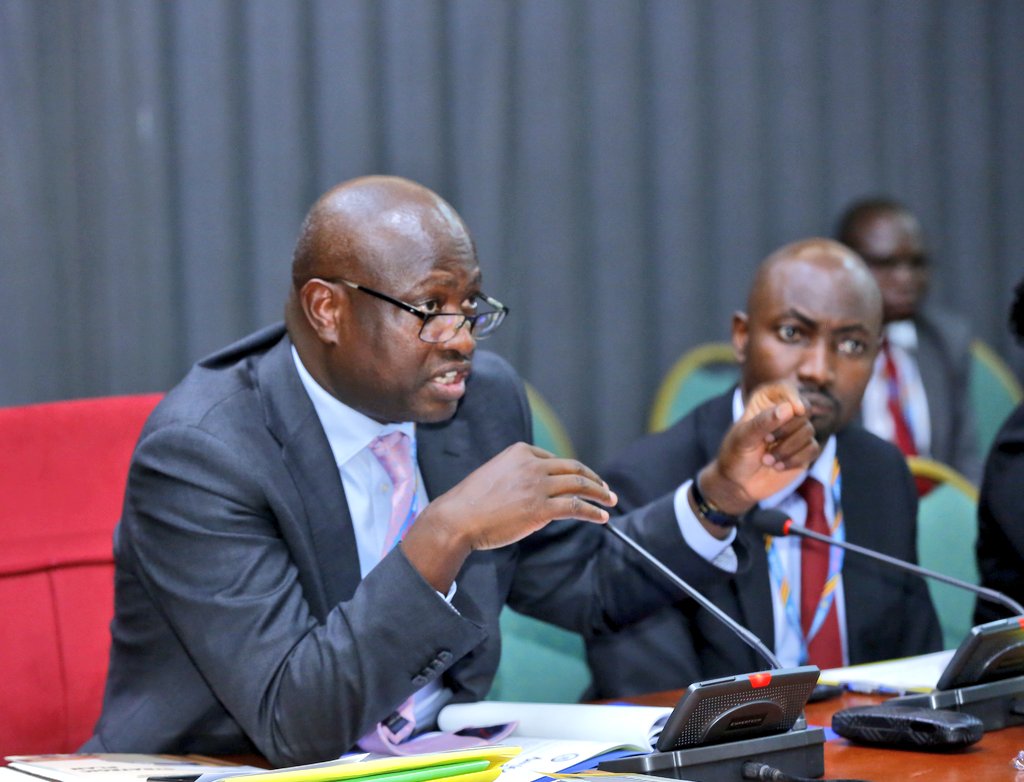
Stephen Ojiambo, accounting officer for Vote 130 at the Ministry of Finance, Planning and Economic Development, said concessional loans will remain the Government’s first option when contracting new debt.
“Government is also negotiating with the IMF and other bilateral creditors to enhance access to concessional financing for general government budget support,” Ojiambo said, stressing the importance of securing affordable, long-tenor facilities to protect fiscal sustainability.
Concessional financing typically carries lower interest rates, longer grace periods, and extended repayment maturities compared to commercial loans, helping to reduce immediate cash flow pressures on the Consolidated Fund.
The renewed financing strategy comes as Uganda’s public debt reached Shs115.40 trillion in June 2025, up from Shs69.20 trillion in June 2021 — a 66.76 percent increase over five years.
Domestic debt accounted for a significant portion of the rise, increasing from Shs39 trillion to Shs59 trillion, raising concerns about private sector credit crowding and higher borrowing costs.
Economists warn that sustained domestic borrowing could push interest rates up, limiting private sector investment, job creation, and overall economic growth.
Meanwhile, debt servicing obligations continue to consume an increasing share of domestic revenue, potentially constraining funding for critical sectors such as health, education, agriculture, and infrastructure.
Government says it is implementing a multi-pronged fiscal consolidation strategy, including enhanced domestic revenue mobilisation, tighter expenditure controls, and innovative financing instruments under the Uganda Public Finance Investment Financing Strategy.
Dr Sengonzi Damulira, Under Secretary and Accounting Officer at the Ministry of Finance, said the Ministry has strengthened its monitoring and evaluation framework to ensure efficient use of public resources and improved coordination with the Central Bank on fiscal and monetary policy.
The pivot towards concessional external financing signals Uganda’s intent to reduce reliance on high-cost borrowing while maintaining funding for priority development programmes.
Securing affordable credit and accelerating domestic revenue growth will be crucial to preserving macroeconomic stability and sustaining investor confidence.
