
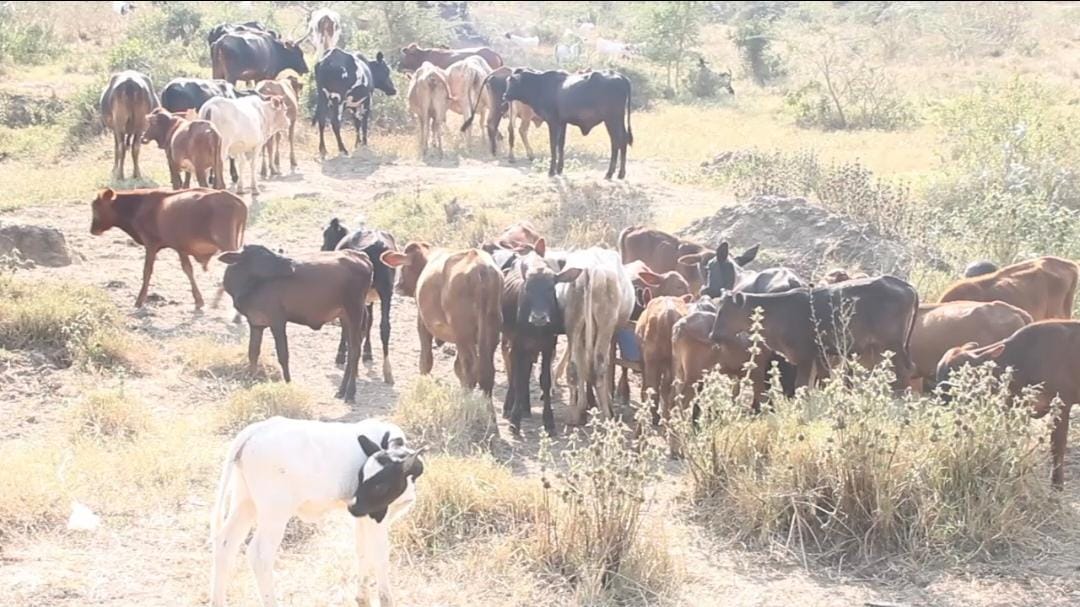
SEMBABULE — Anxiety is mounting among farmers, livestock keepers and residents in Sembabule District as a prolonged dry spell continues to ravage the area, leaving communities struggling to access water and threatening both crop and livestock production.
Across several parts of the district, residents are trekking long distances in search of water and pasture for their animals, while the few remaining water sources are being shared by people and livestock.
The scarcity has also driven up the cost of water, with a 20-litre jerrycan now selling for Shs1,000 in some areas.
Farmers interviewed at different water points said the scorching heat has already begun drying up crops, particularly coffee, maize and other food crops, raising fears of poor harvests and worsening food insecurity.
"We are watching our crops dry up every day. We appeal to the government to extend reliable water supplies to our communities so that we can irrigate our gardens and also have enough water for domestic use," the farmers said.
Livestock keepers expressed similar concerns, saying the situation is becoming increasingly worrying after weather forecasters indicated that the next significant rains are expected in August. They noted that valley dams are already drying up, exposing animals to harsh conditions and increasing the risk of disease outbreaks.
"Our animals are beginning to suffer and some have already died because water sources are disappearing. If this continues until August, many farmers will count heavy losses," one livestock keeper said.
During a visit to one of the affected farms, Sembabule District Chairperson Patrick Nkalubo, who is also a coffee and maize farmer, showed reporters his plantations, where crops were visibly wilting under the intense heat.
Nkalubo said although the government had supplied him with an irrigation system, the intervention had become ineffective because the valley dams meant to provide water had completely dried up.
"Government supported us with irrigation system, but all the valley dams that supplied water have dried up. Without water, the irrigation systems cannot help us, and remember we cannot dig it to water sources 'ensuro' because the water is very far, so I have to wait for rain to use the irrigation system that was given to help especially in dry season," Nkalubo said.
The district councillor representing Mabindo Sub-county, Paul Kyagera, who is also a commercial farmer, warned that the prolonged drought is likely to cause severe economic losses if the situation persists.
Sembabule District Water Officer Ronald Lule said the district faces unique challenges because underground water is found at very deep levels, making it expensive and difficult to establish reliable water systems.
"Water is naturally scarce in many parts of Sembabule. In most places, underground water is found very deep, making it difficult to install water systems. For example, the Lwemiyaga Sub-county water system was designed to produce 15 cubic metres, but it is currently producing only 3.5 cubic metres. We urge residents to use the available water sparingly during this dry season," Lule said.
District Production Officer Simon Byalugaba warned that the drought is affecting both crop and livestock production and could result in widespread food shortages if conditions do not improve soon.
"Livestock have started experiencing water shortages, while most of the pasture and crops have been destroyed by the prolonged sunshine. We are likely to experience hunger if the situation continues," Byalugaba said.
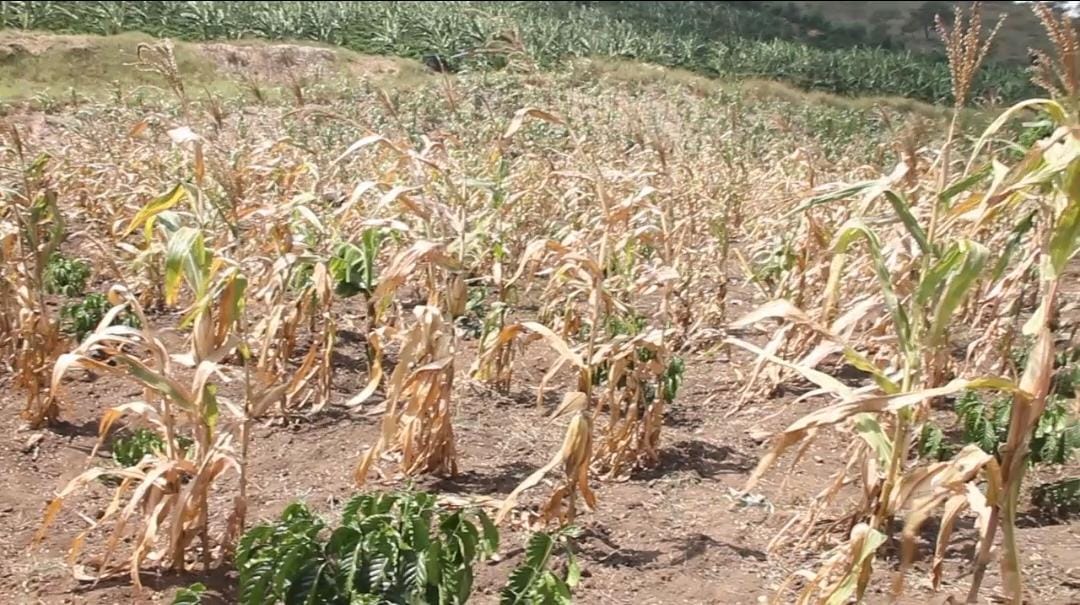
He added that although irrigation equipment had previously been provided to farmers, the prolonged absence of rainfall had left valley dams without sufficient water to support irrigation.
The worsening drought has renewed calls for long-term investment in water infrastructure, including valley dams, boreholes and irrigation systems, as communities brace for what could become one of the district's most difficult dry seasons in recent years.
