

As East African Community (EAC) partner states pursue deeper regional integration, concerns are emerging over whether governments are committing enough resources to support the vision they continue to promote.
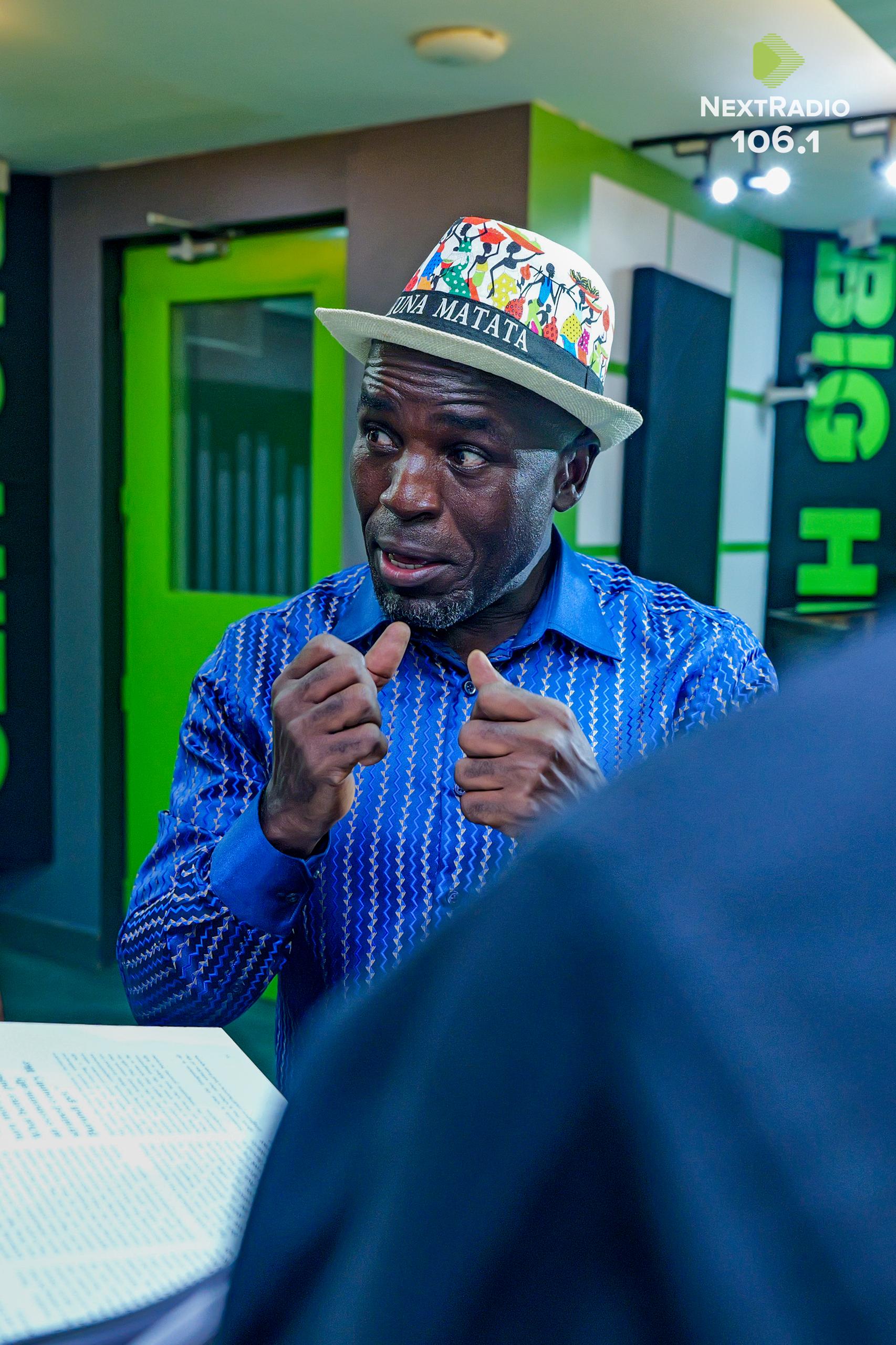
Dr. Ronex Tendo Kisembo, an aspirant for Uganda’s seat in the East African Legislative Assembly (EALA), says limited budget allocations towards regional initiatives remain one of the biggest obstacles to achieving meaningful integration.
Kisembo argues that while governments frequently make commitments towards strengthening the EAC, those promises are often not matched by financial priorities in national budgets.
"It remains a concern that partner states are not taking deliberate steps during the budgeting process to fund the East African integration agenda. We continue to talk about integration, but the financial commitment required to make it happen is still lacking," he said.
He said Uganda’s 2026/27 national budget should have included clearer allocations aimed at advancing regional integration, particularly in infrastructure development, trade facilitation, transport connectivity and cross-border economic activities.
According to Kisembo, integration cannot succeed without investments that make it easier for people, goods and services to move across borders.
"When we talk about integration, we are talking about market access and movement of goods. That requires roads, railways, air transport and water transport. Without investing in these areas, integration remains a discussion rather than a reality," he said.
Kisembo welcomed Uganda’s Shs10.8 trillion allocation towards infrastructure development, saying strategic investments in transport networks could help unlock regional trade opportunities.
He cited the Standard Gauge Railway (SGR) project as a key example of how infrastructure can drive regional connectivity. The project, launched by East African leaders in Munyonyo in 2014, was intended to connect Mombasa, Nairobi, Malaba and Kampala before extending to western Uganda.
While Kenya has completed the Mombasa-Nairobi section and advanced works towards Malaba, Uganda is yet to begin construction of its section.
"Kenya has moved ahead with several phases of the SGR and recently launched another phase towards Malaba. Uganda must now move quickly to pick up from where Kenya stops if we are to benefit from regional trade and connectivity," he said.
Beyond railway infrastructure, Kisembo called for improved road networks linking Uganda to neighbouring countries, including the eastern Democratic Republic of Congo (DRC), which he described as one of Uganda’s fastest-growing export markets.
He also welcomed plans by government to acquire additional aircraft for Uganda Airlines, saying improved air connectivity is essential for regional trade and movement.
"The decision to procure additional passenger and cargo aircraft is a positive development because regional integration depends on connectivity. The easier it becomes to move people and goods, the greater the economic benefits," he said.
EAC funding model needs fairness
Kisembo said funding challenges are not unique to Uganda, arguing that the EAC’s previous financing model, where partner states contributed equal amounts regardless of economic size, created difficulties for smaller economies.
During the recent EAC Heads of State Summit in Arusha, leaders approved reforms to the bloc’s financing mechanism by introducing a more equitable contribution model.
"It was not fair for economies of different sizes to contribute the same amount. The revised mechanism is a step in the right direction, but partner states must now back it up with actual budget allocations," he said.
Despite years of integration efforts, Kisembo said many East Africans have yet to experience tangible benefits from the regional bloc.
"An ordinary citizen has not felt the integration we keep talking about. That tells us there is still a lot of work to do," he said.
He identified tourism as one area where East African countries could benefit more through joint promotion instead of individual marketing campaigns.
Rather than promoting separate national brands, Kisembo suggested that partner states create a common tourism marketing fund to sell East Africa as a single destination.
"We have Explore Uganda, Magical Kenya, Visit Rwanda and Unforgettable Tanzania. Why not create a common marketing fund and market East Africa as one destination? Tourists do not see borders the way governments do," he argued.
He also called for stronger cooperation among regional airlines, saying partnerships and shared routes could help reduce losses and improve connectivity.
Public awareness remains a challenge
On broader integration goals, including the proposed East African Monetary Union, Kisembo said mistrust among partner states continues to slow progress despite existing plans.
He cited disagreements over the location of regional institutions, including the proposed East African Monetary Institute, as examples of national interests affecting collective ambitions.
Beyond financing, Kisembo identified limited public awareness as another challenge affecting integration efforts.
"The EAC still feels like a presidential project. Ordinary citizens need to understand what integration means and how it benefits them," he said.
He also called for increased promotion of Kiswahili as a unifying language that can strengthen social and economic ties among East Africans.
Meanwhile, Kisembo’s EALA bid has received support from several political and public figures.
Political commentator and Patriotic League of Uganda official Andrew Mwenda described him as a committed advocate for regional integration.
"I know of no other person more qualified and deserving to be elected to the East African Legislative Assembly than him. For Tendo, EALA is not a job or a career, it is a calling," Mwenda said.
Nakawa East MP-elect Frederick Ruhindi also praised Kisembo’s diplomatic skills, describing him as a strategic thinker capable of building consensus and managing complex regional relationships.
As EAC leaders continue pursuing deeper cooperation, Kisembo says the future of integration will depend less on declarations and more on whether member states commit resources towards making the vision practical for citizens.