
Leaders of the ruling National Resistance Movement (NRM) in Bunyoro sub-region have attributed their party’s overwhelming victory in the 2026 general elections to what they describe as visible development projects rolled out in the area over the years.
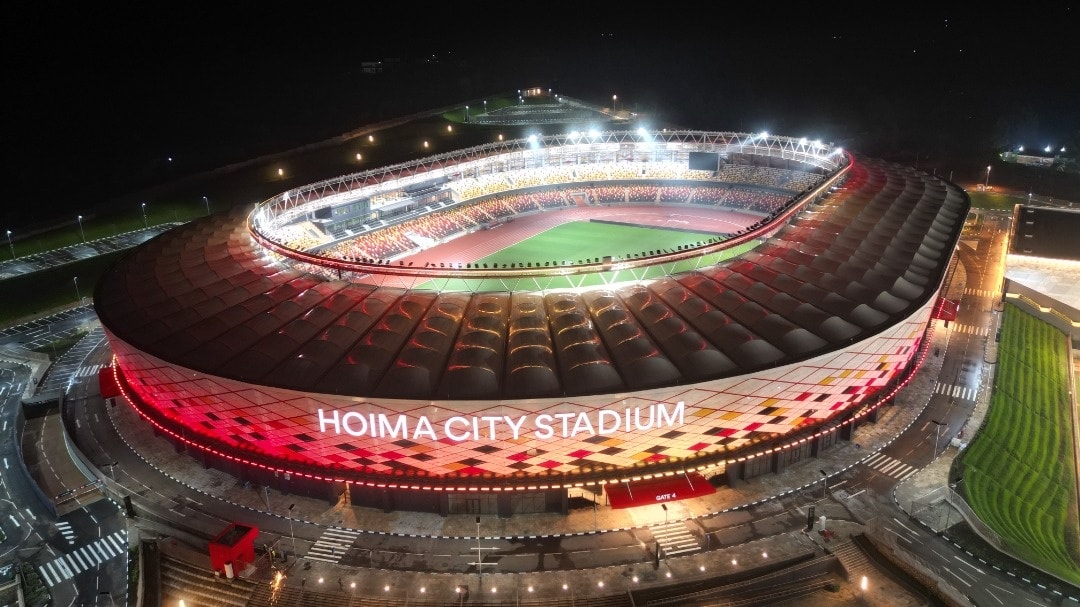
Veteran politician Stephen Birahwa Mukitale and other NRM leaders argue that investments such as Kabalega International Airport, road infrastructure, a stadium, and a government pledge to establish Bunyoro University influenced voters to retain confidence in the party.
During the campaigns, six of the eight presidential candidates traversed the sub-region, outlining their manifestos and specific plans for Bunyoro, particularly on oil and gas exploitation, education and social services.
Only Robert Kasibante and Frank Bulira did not campaign in the region.
Despite hearing from candidates across the political divide, voters in Bunyoro largely cast their ballots in favour of the NRM.
Out of the 28 Members of Parliament representing the sub-region, only two opposition legislators were elected.
The opposition also failed to secure any district chairperson positions, managing only a handful of lower council seats.
In an interview, Mukitale, a former Buliisa County MP, said residents voted based on tangible progress registered in the region.
“Why shouldn’t Bunyoro really trust NRM again? We have seen significant developments. Yes, there are services we still demand, but we must appreciate what has been achieved so far. That was reflected in the voting pattern,” he said.
Mukitale, however, noted that operationalising Bunyoro University and establishing an industrial hub remain pressing priorities for the region.
He said a fully functional public university would expand access to higher education for local students, while industrialisation would create much-needed employment opportunities.
“The university question is very big. Government needs to pronounce itself clearly on the matter. This will enable our children to access education nearby,” he added.
Kikuube Resident District Commissioner Godwin Kasigwa Angalia dismissed claims that the opposition had gained meaningful ground in the sub-region.
He argued that the election of the two opposition MPs — Asinansi Nyakato, Woman MP for Hoima City, and Ismail Kasule, MP for Hoima City West — stemmed from internal disagreements within the NRM rather than growing support for rival parties.
“The opposition is very divided and not serious. Those who were voted in benefited from internal fights within NRM in the city. Once those issues are sorted, Hoima will also be fully yellow,” Kasigwa said.
“They have been engaged in internal wrangles for a long time. Who can trust them with leadership?”
Opposition leaders in the region offer a different account. National Unity Platform (NUP) Deputy Mobiliser for Western Uganda Bridget Kugonza and Uganda People's Congress (UPC) Bunyoro Regional Coordinator Matia Kajura accuse the NRM of frustrating their campaigns.
They allege that several opposition candidates were harassed during the campaign period, with some stepping down under pressure and others reportedly arrested on the eve of polling day. According to them, these actions undermined their performance at the ballot.
“We are going back to the drawing board,” Kugonza said. “Our focus will be on building strong party structures and recruiting more members. By 2031, we intend to front candidates who cannot be intimidated or bought off like this time.”
While the opposition attributes its losses to intimidation and logistical setbacks, Mukitale maintains that voters in Bunyoro were fully aware of divisions within opposition ranks and opted for what they perceived as stability and continuity.
Birahwa expressed concern about what he described as the nature of opposition politics in Uganda, arguing that parties need to present clearer policy alternatives rather than merely criticising government programmes.
The 2026 results in Bunyoro reflect a broader political pattern in several oil-rich and infrastructure-focused regions, where development pledges and visible public works projects continue to shape electoral choices.
As debate over Bunyoro University and industrialisation continues, both the ruling party and opposition now turn their focus to consolidating support ahead of the 2031 polls.
