
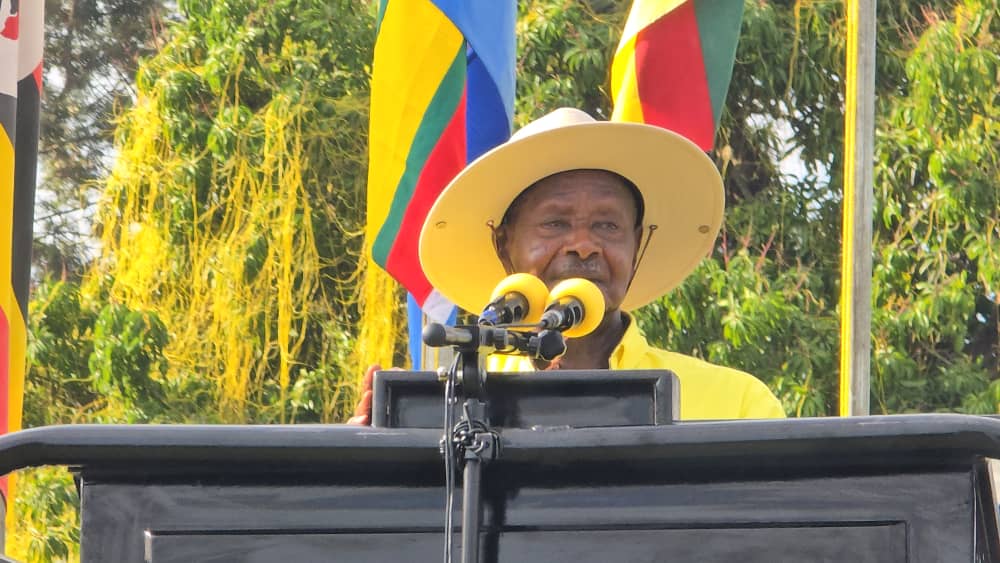
The 2026 election campaigns have placed environmental survival at the heart of political discourse in the Elgon region.
President Museveni’s campaign emphasizes a “science-led” approach to conservation, while Forum for Democratic Change (FDC) candidate Nathan Nandala Mafabi offers a populist message of land restoration.
Between these positions lies a desperate electorate, weary from recurring disasters yet skeptical of empty promises.
The Elgon sub-region — home to nearly 2 million people across Sebei and Bugisu — sits on one of Uganda’s most fragile ecosystems.
Steep slopes once covered in lush forest are now largely stripped bare due to unregulated farming and human settlement.
Experts warn that years of encroachment and poor land-use planning have left the soil unstable, turning every heavy rain into a potential disaster.
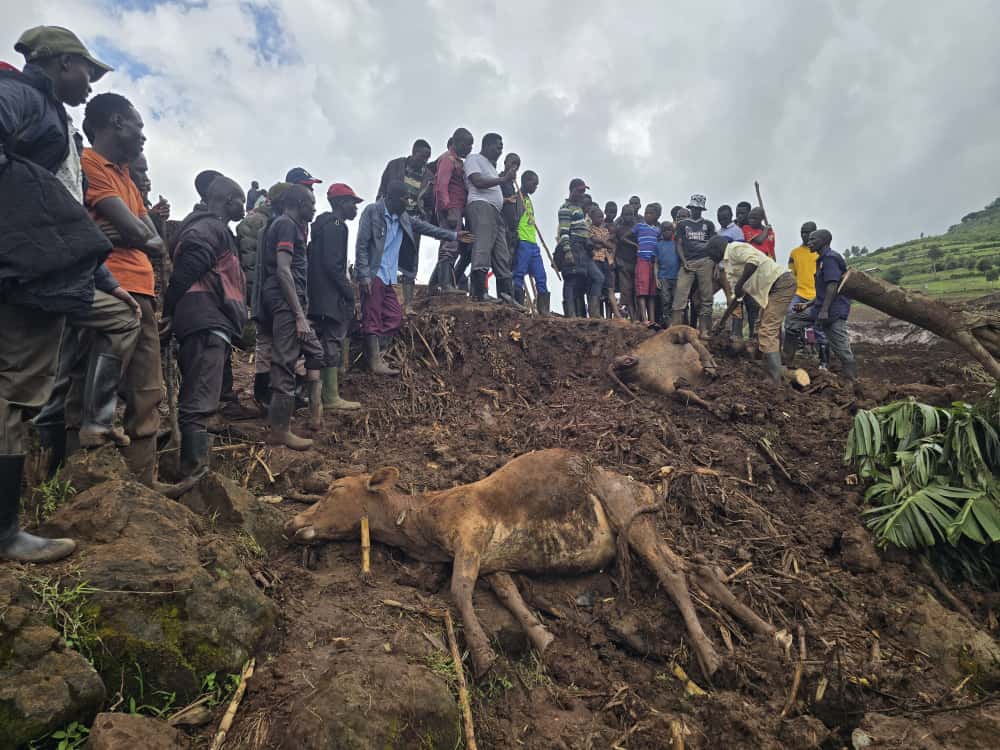
In recent weeks, dozens of people have died as fresh landslides swept through parts of Kween, Bukwo, and Kapchorwa, exposing the worsening environmental crisis.
For candidates, Mount Elgon has become both a symbol and a trap — a metaphor for balancing human survival with ecological preservation.
Kween District Chairperson Geoffrey Chelogoi acknowledged that environmental concerns now dominate local politics, but admitted that politicians often avoid hard truths about climate change, knowing the electorate may favor short-term livelihoods over conservation.
On his campaign trail in Bugisu and Sebei, Museveni adopted an unusually firm tone on environmental responsibility.
In every district, leaders presented memos highlighting two pressing issues: the rising death toll from recurrent landslides and the unresolved boundary dispute between Mount Elgon National Park and surrounding communities.
Museveni insisted that park boundaries must be guided by science rather than emotion. “It is not what you want but what nature wants,” he said.
He stressed that forests, rivers, lakes, and wetlands are central to Uganda’s survival, sustaining rainfall and soil fertility.
“Nature is God’s science. Without mountains like Elgon and Rwenzori, Uganda would be a desert,” he warned.
The President condemned settlement and farming on slopes steeper than 30 degrees, pledging to convene a post-election conference of experts and community leaders to chart a long-term co-existence strategy.
He also promised a scientific resurvey of the park boundary and resettlement for families living on high-risk slopes, acknowledging that population growth has made unregulated settlement unsustainable.
Museveni’s message, rooted in environmental responsibility, also projects a political image of leadership focused on long-term survival.
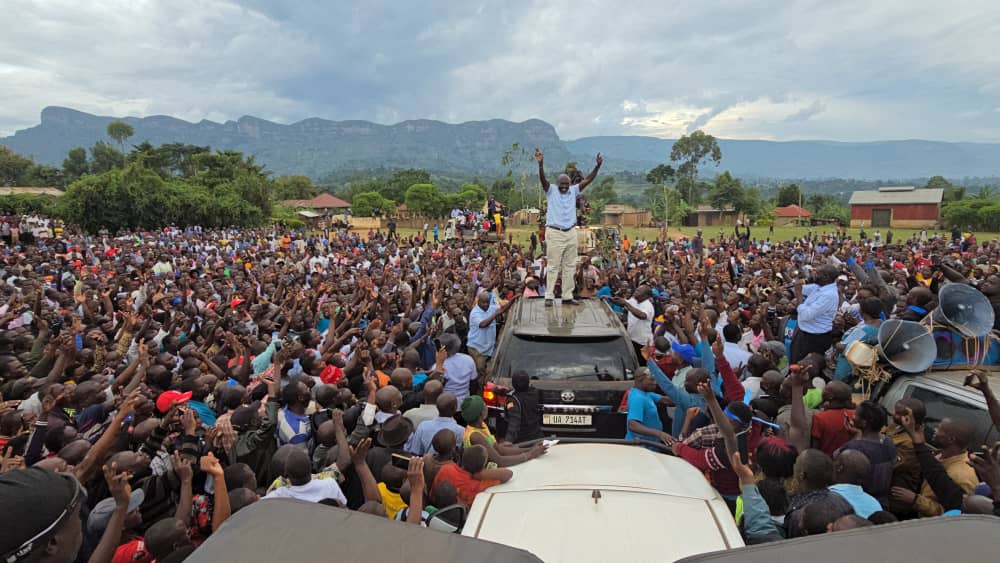
By contrast, FDC candidate Nandala Mafabi, a native of the region, has pledged to allow human activity within the protected area.
Speaking at rallies in Kapchorwa, Bulambuli, and Namisindwa, he declared that if elected, he would “return Mount Elgon to its rightful owners, the community.”
“God intended this mountain for our people,” Nandala said. “If it were not ours, He would have located it in Karamoja or another region.”
His message resonates with displaced families and squatters who feel alienated by years of park enforcement and eviction.
But conservationists warn that such populist pledges risk undoing decades of ecological protection.
“If every vote comes at the cost of a forest, then we are voting for more disasters,” said one environmental activist.
