
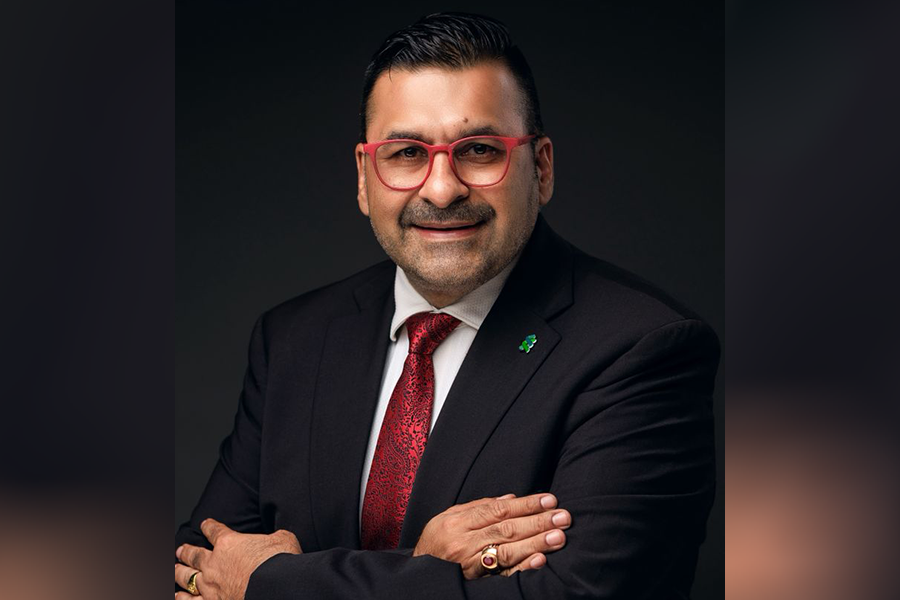
By Sanjay Rughani
Uganda has always understood service, whether it is parents sacrificing to educate their children, relatives contributing to school fees, neighbours showing up in difficult times, faith communities mobilising around families in need, professionals mentoring young people, or Rotarians and entrepreneurs creating opportunities beyond themselves. These acts may not always make headlines, but they are among the quiet foundations on which our communities are built.
The question is how we turn this culture of service from private goodwill into a wider force for national progress, especially as Uganda focuses on jobs, skills, enterprise, investment and transformation. Service should not be viewed only as charity because, when it is done intentionally, it can develop people, strengthen communities and prepare the next generation to participate meaningfully in the economy.
Growing up, my father often reminded me that when you serve society, you become valuable, and I appreciate that wisdom more with time because people and organisations that create lasting impact become valuable by solving problems, enabling others and creating opportunities for people to thrive.
In Uganda and across much of Africa, success is rarely individual because, when one person progresses, many others often move with them. For instance, a supported student may one day pay it forward by educating siblings or helping relatives, a guided entrepreneur may create jobs, and a mentored young person may gain the confidence to pursue opportunities that once felt out of reach.
That is why service matters beyond generosity. It builds confidence, transfers knowledge, expands networks and opens doors, especially for young people whose exposure to mentors, workplace skills, financial literacy and entrepreneurship support can influence life choices.
As Uganda pursues the 10-fold growth agenda, it is right that we focus on infrastructure, technology, investment and jobs, but progress is not only built with roads, power lines or digital systems; it is also built in people, in their skills, confidence, values and the support systems that help them turn opportunity into real progress.
This is where institutions have an important role because, while families and communities already practise service in very practical ways, professional bodies and civic organisations can help scale that spirit and make it more consistent, better organised and more capable of reaching those who need it most.
This has been our experience at Standard Chartered, where, long before service became a popular corporate conversation, the Bank had begun building it into the way colleagues engage with communities. This year, that journey reached 20 years of Employee Volunteering, marked by more than 500 colleagues from across East Africa reflecting on the time, skills and expertise given to communities over two decades. The value of the milestone is what it shows: structured service can benefit communities while developing the people who serve.
Over the years, colleagues have supported initiatives in financial literacy, entrepreneurship, employability, education, environmental action and community development, with every colleague provided up to three days of paid volunteering leave each year, making service part of the organisation's rhythm rather than an occasional activity.
That matters because the future of work will demand more than technical competence, requiring leaders who understand people, communities and the realities in which businesses operate. Volunteering is critical because it exposes people to real needs and reminds us that prosperity is not only about generating personal income or economic growth but also about enabling others to succeed.
During a conversation I recently had with Jonita Menya, Managing Director of Vivo Energy Uganda, one message stood out: lasting change happens when behaviours change. Whether the issue is sustainability, responsibility, mentorship or community development, progress is built through habits practised consistently over time.
This message is relevant to every Ugandan because supporting young people, protecting our environment, strengthening communities and creating opportunities cannot be left to government alone or to a few passionate individuals. It requires daily choices by citizens, companies and institutions.
Uganda does not lack people who care. What we need are more systems that make caring scalable. Imagine the impact if more employers treated service not simply as outreach but as leadership development: more mentoring, more skills transfer, more supported entrepreneurs and more confident young people.
The opportunity is to move from informal generosity to intentional systems that create capability and hope at scale because families do it, faith communities do it, service organisations do it, and businesses can do it too, strengthening both society and the people within their organisations.
Service does not begin with institutions. It begins with individuals, and making a difference does not always require a title, a large budget or permission, only a decision to care and a commitment to help someone move forward.
The future of Uganda and Africa will not be determined only by the capital we raise, the infrastructure we build or the technology we adopt, but also by how effectively we unlock the potential of our people.
Luckily, we do not need to discover service. As a hospitable nation, we already know it, live it and practise it every day. The task now is to institutionalise it, scale it and use it to build a more inclusive, resilient and prosperous future, and this begins with each one of us volunteering.
Mr Sanjay Rughani is the Chief Executive Officer of Standard Chartered Bank Uganda
