
Every great nation on earth was built by people who refused to let borders define their destiny. They arrived poor, uncertain, often unwelcome. Yet they helped shape the societies that today stand among the world's most successful.
America was not built by America alone.
It was built by Irish families fleeing famine, Italians who laboured long hours in factories so their children could have better lives, Chinese workers who laid railroads across a continent, Jewish entrepreneurs who built industries, and Africans whose labour, resilience and contributions helped shape the nation despite immense suffering.
Elon Musk was born in South Africa. Albert Einstein arrived in America as a refugee from Germany. Andrew Carnegie came from Scotland with little and helped build an industrial giant.
Yesterday they were called foreigners. Today they are part of what America is.
Britain's rise was also shaped by generations of newcomers.
Its financial institutions benefited from immigrant communities. Its National Health Service was sustained by Caribbean nurses, Indian doctors and countless others who left their homes to help rebuild a country after war. The modern culture of London reflects influences from the Caribbean, South Asia, Africa and beyond.
Migration did not diminish Britain. It helped make Britain global.
France, too, owes much of its success to people whose roots lie elsewhere.
Migrants from North and West Africa helped rebuild cities and strengthen industries after war. Their descendants have enriched French culture, sport and public life. Figures such as Zinedine Zidane and Kylian Mbappé are celebrated around the world and embody the story of modern France.
The question was never whether they were French enough. It was whether they could contribute. They did.
Brazil offers another example.
Portuguese, Italians, Germans, Japanese, Lebanese and millions of Africans, both free and enslaved, all helped shape the country. Their combined influence created the culture, economy and identity that make Brazil unique.
Brazil embraced diversity and became stronger because of it.
Even closer to home, Zambia illustrates the same reality.
Kenneth Kaunda was born to parents who had migrated from what is now Malawi. Frederick Chiluba traced family roots to what is now the Democratic Republic of Congo. Yet their legacies are measured not by where their families came from, but by what they contributed to the nation they served.
Migrants do not weaken nations. More often, they strengthen them.
They bring ambition, fresh ideas, skills and the determination that comes from starting over. They often see opportunities others overlook and contribute in ways that enrich society for everyone.
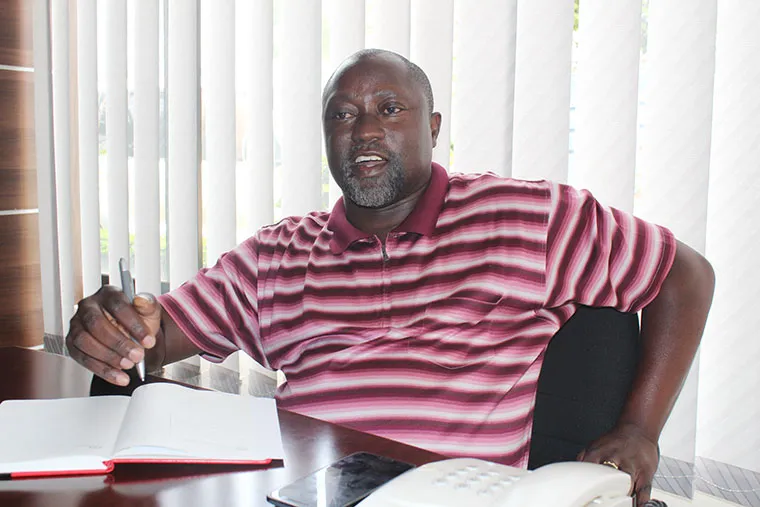
Which brings us to Dr Lawrence Muganga.
The debate surrounding him should focus on his record, his ideas and his ability to serve, not on speculation about ancestry or attempts to weaponise identity.
Muganga has established a reputation as an educator, administrator and reform-minded leader. Whether one agrees with him or not, the discussion should be about performance and merit rather than ethnic labels.
Uganda's history is one of movement, interaction and shared identity.
For generations, people have crossed what are now national borders to trade, marry, work and settle. Communities such as the Baganda, Banyarwanda, Banyankole and Bakiga have interacted for centuries. The colonial borders that exist today did not erase those relationships.
In many parts of Uganda, including my ancestral village of Kifuuta in Kyotera District, families of Ugandan and Rwandan heritage have lived side by side for generations. They have intermarried, traded together, raised families together and built communities together.
That shared history should not be forgotten.
The "Rwandan card" that is sometimes invoked in public debates often says more about politics than it does about reality. It risks creating divisions where generations before us saw kinship, cooperation and mutual respect.
Our elders understood that communities are strengthened by relationships, not weakened by them. They built schools, churches, markets and social networks together. They recognised bonds that were deeper and older than modern political boundaries.
To ignore that history is to misunderstand who we are.
Uganda's future will not be secured by policing surnames, tracing family trees or questioning where someone's grandparents were born. It will be secured by identifying talent, encouraging excellence and creating opportunities for people to contribute to the country's progress.
Let contribution define a person's place in national service, not ethnicity.
Dr. Muganga's value should be assessed through his work, his ideas and his impact. Those are the standards by which leaders should be judged.
Nations that thrive do not spend their energy asking, "Where are you from?"
They ask, "What can you contribute? What can you build? How can you help move us forward?"
If countries such as America, Britain, France, Brazil and Zambia had rejected every talented newcomer who arrived at their doorstep, they would be poorer, weaker and less influential than they are today.
Their success came in part from welcoming people willing to contribute.
Uganda should embrace that same confidence.
We should not fear those who come to build, invest, teach, innovate or serve. We should recognise that our strength has always come from our ability to bring people together rather than push them apart.
Because in the end, nations are not built by those who ask where someone comes from.
They are built by those who are willing to say:
"Come. Build with us. Let us make history together."
That is who we are.
That is who we have always been.
___________________________________________________
Editor's note: Lawrence Muganga's nomination as State minister for internal affairs was rejected by Parliament's Appointments Committee for failure to convince on his citizenship. The decision was not based on his tribe as presented in this opinion
