
Rukungiri District has an HIV prevalence rate of 8.3 percent, well above Uganda's national average of 5.2 percent, officials from The AIDS Support Organisation (TASO) have revealed.
Agnes Kateeba, the head of TASO in Rukungiri, said that eight out of every 100 people tested in the district are HIV-positive, compared to five out of every 100 people nationally.
"HIV remains a serious public health concern. People should not become complacent. I urge continued prevention efforts," Kateeba said.
She noted that young women aged between 18 and 25 years are the most affected demographic in the district, accounting for 66 percent of TASO clients receiving HIV treatment and care. Men, she said, make up the remaining 34 percent.
Kateeba attributed the high prevalence among young women largely to poverty and economic vulnerability, saying financial hardships often push some young women into risky sexual relationships.
"Economic challenges continue to expose many young women to situations that increase their risk of HIV infection. We need to address the underlying social and economic factors alongside prevention efforts," she said.
She urged people living with HIV to consistently take their antiretroviral therapy (ART) medication and attend routine medical reviews every three months.
According to health experts, consistent use of antiretroviral drugs suppresses the virus, improves the quality of life of people living with HIV and significantly reduces the risk of transmission.
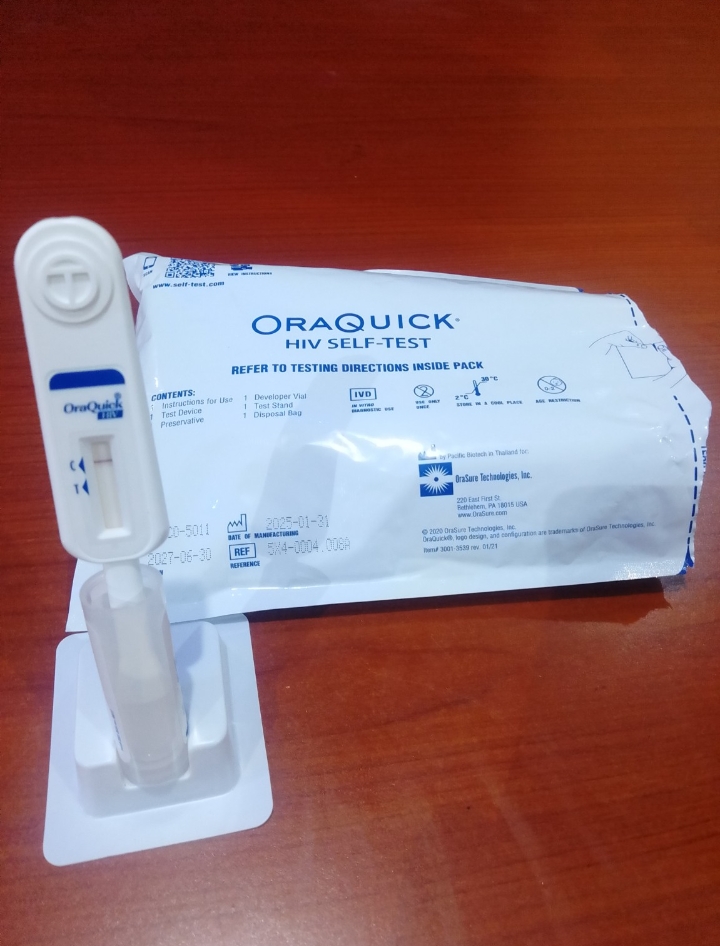
Kateeba also cautioned against self-medication and overreliance on HIV self-testing kits without seeking professional medical guidance.
"I want to warn against self-medicating and relying only on self-test kits without confirmation and guidance from health workers," she noted.
Uganda has made significant progress in the fight against HIV/AIDS over the years through expanded access to testing, treatment and prevention services. However, health officials warn that districts with prevalence rates above the national average, such as Rukungiri, require sustained interventions, increased awareness and targeted support for vulnerable populations.
TASO has called for renewed efforts to strengthen HIV prevention programmes, particularly among young people and women, while addressing socio-economic challenges that continue to fuel new infections.
