
KAMPALA — Uganda's economic managers have intensified efforts to strengthen coordination between fiscal and monetary policy as part of a broader strategy to safeguard macroeconomic stability, deepen financial markets, and reinforce investor confidence.
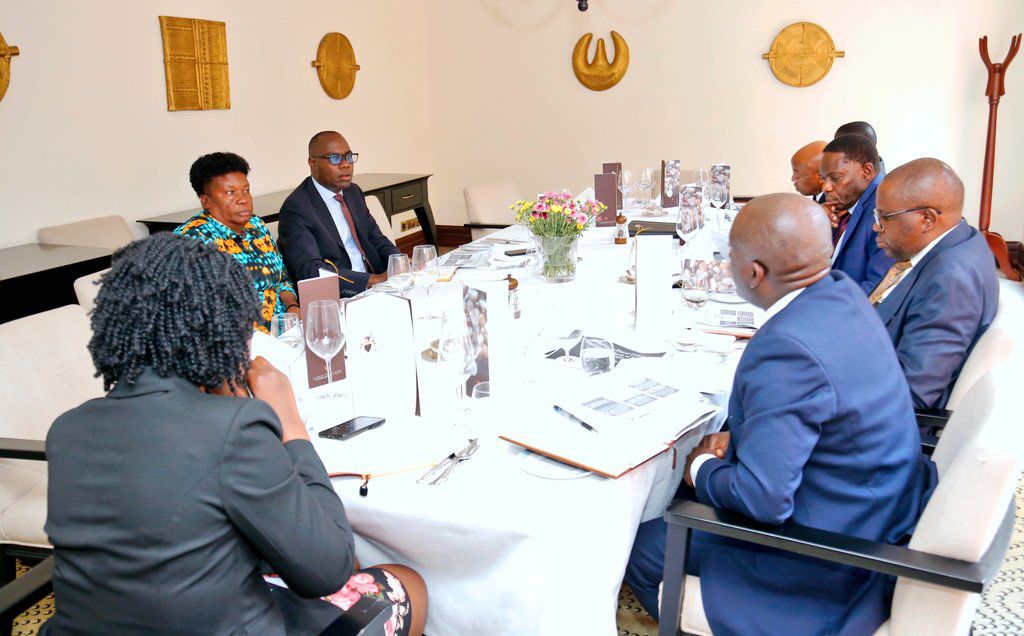
The renewed commitment was underscored on Wednesday when Finance Minister Henry Musasizi met Bank of Uganda Governor Dr. Michael Atingi-Ego, Deputy Governor Prof. Augustus Nuwagaba, and senior central bank officials to review areas of collaboration between the Ministry of Finance, Planning and Economic Development and the central bank.
The discussions focused on enhancing cooperation under an existing memorandum of understanding that provides structured mechanisms for policy coordination, information sharing, and macroeconomic management.
Officials noted that fiscal and monetary policies are mutually reinforcing and that closer alignment is critical as Uganda pursues fiscal consolidation while maintaining low and stable inflation.
A major area of focus was Uganda's fiscal consolidation agenda, particularly measures aimed at improving public expenditure management and supporting the effectiveness of monetary policy.
The two institutions reviewed strategies to strengthen government cash flow management and forecasting, accelerate the clearance of domestic arrears, improve fiscal discipline, and advance the capitalization of the Bank of Uganda.
Officials said these measures would help reduce liquidity pressures within the economy, improve budget execution, and enhance the central bank's ability to manage inflation and maintain exchange rate stability.
The meeting also examined reforms intended to deepen Uganda's financial markets and broaden domestic sources of financing.
Among the issues discussed were reforms to the local currency bond market, a review of the primary dealer market-maker system, and measures to improve liquidity in Uganda's domestic debt market.
Economic managers believe these reforms will increase investor participation, improve price discovery in government securities, and strengthen the country's capacity to finance development priorities through domestic capital markets.
The officials further discussed strengthening Uganda's anti-money laundering and countering the financing of terrorism frameworks to protect the integrity of the financial system and preserve access to international financial markets.
The move comes as authorities seek to ensure that Uganda does not return to the Financial Action Task Force (FATF) grey list, a designation that can raise transaction costs for businesses and financial institutions while reducing investor confidence.
Musasizi, who was accompanied by Minister of State for General Duties Ciccy Mulondo, reaffirmed government's commitment to supporting the central bank in executing its mandate.
Governor Atingi-Ego, in turn, pledged continued collaboration between the Bank of Uganda and the finance ministry, emphasizing transparency, mutual respect, and policy alignment as key pillars of the relationship.
"We will safeguard macroeconomic stability and advance sustainable inclusive growth for Uganda," Atingi-Ego said.
The renewed push for policy coordination comes at a time when many countries across the region are navigating rising debt burdens, tighter global financial conditions, and growing pressure to develop deeper domestic capital markets capable of supporting long-term economic growth.
