
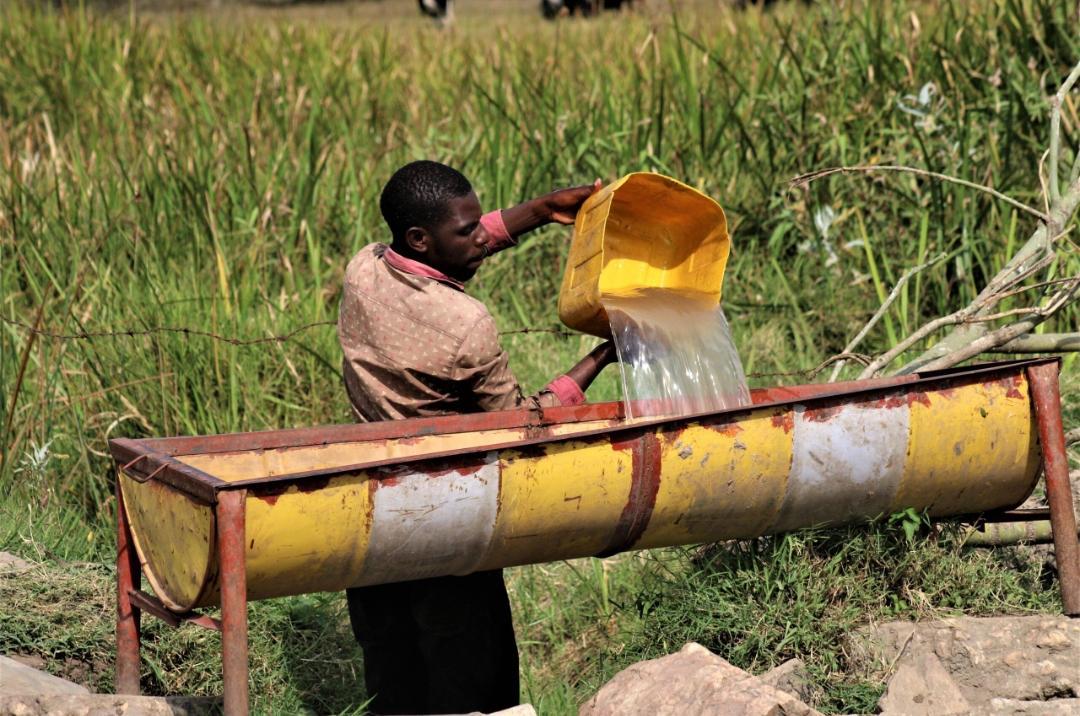
Residents across parts of Lyantonde District are grappling with acute water shortages as the dry season intensifies, with communities reporting long distances travelled to access unsafe or shared water sources.
The situation, which has been worsened by non-functional boreholes and prolonged dry spells, has left many households without reliable access to clean and safe water, raising concerns over public health risks and declining livelihoods.
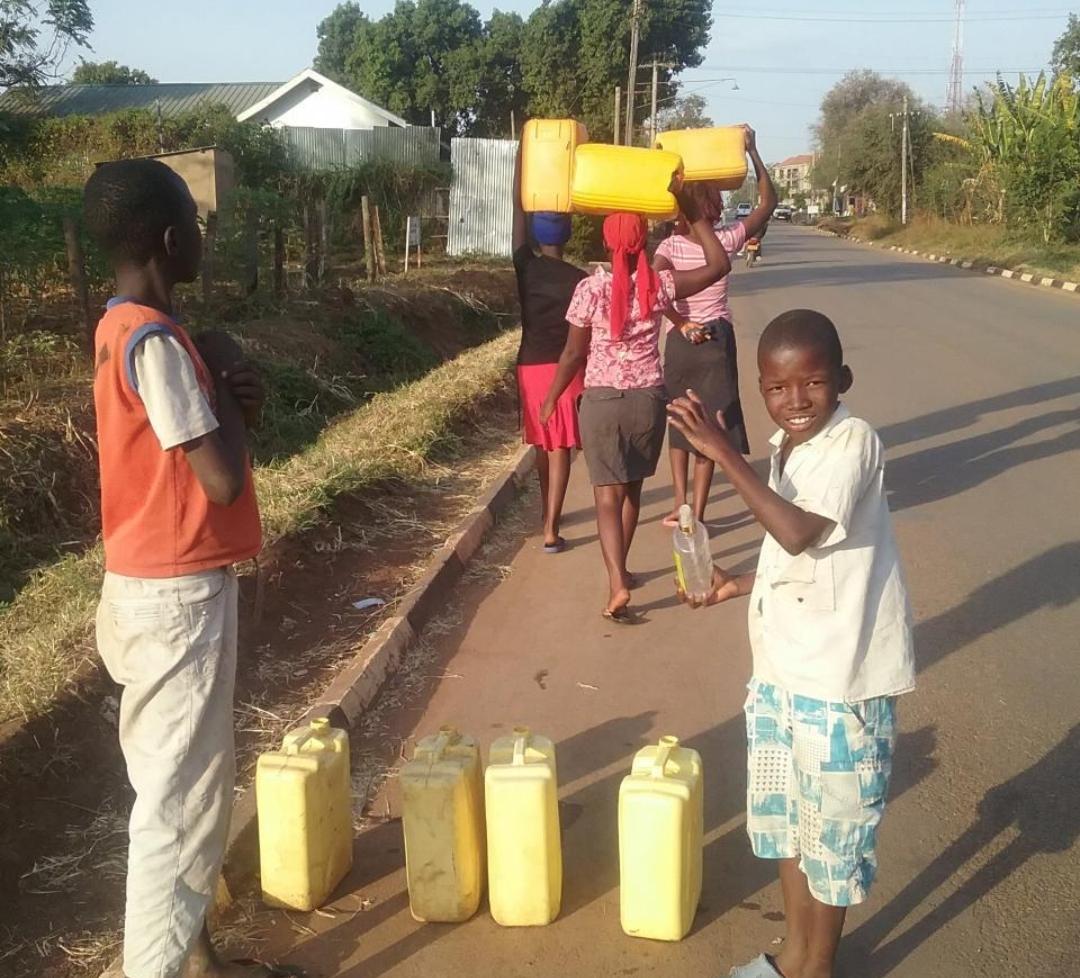
In several villages, residents say broken boreholes have remained unattended for months, forcing families—especially women and children—to walk several kilometres daily in search of water.
In some cases, people are reportedly sharing water points with livestock, increasing fears of waterborne disease outbreaks.
Janet Kyogambire, a resident of Kaliiro Sub-county, said accessing clean water has become a daily struggle whenever the dry season sets in.
“We wake up very early and walk several kilometres to fetch water. Sometimes we find long queues at the few available water points, while in other places people and animals use the same water source,” she said.
Local farmers say the crisis is also affecting agricultural production and livestock survival, with water scarcity becoming more severe during peak dry months.
Paul Nasasiira, a farmer in the area, said competition between people and animals for limited water sources has become a routine challenge.
“During the dry season, water becomes scarce. We are forced to compete with animals for the little water available. This puts our health at risk and affects our daily lives,” he said.
The worsening situation has been attributed by local leaders to a combination of prolonged dry spells, population growth, and the breakdown of several boreholes that have not been repaired due to limited funding.
District officials say many communities rely on a small number of water sources that are overwhelmed during drought periods, leaving large sections of the population underserved.
The water crisis has renewed calls for urgent government intervention, with residents urging authorities to prioritise the repair of broken boreholes and expand access to safe water infrastructure in rural communities.
According to officials in the district, plans are underway to rehabilitate non-functional boreholes and construct additional water points in the most affected areas, in collaboration with the Ministry of Water and Environment.
“We are identifying communities facing severe water shortages and prioritising them for intervention. The district is also mobilising resources to repair broken boreholes and expand water access,” officials said.
However, residents argue that the interventions are moving too slowly, warning that the crisis is likely to worsen as climate variability increases the frequency and severity of dry spells in the region.
They say access to clean and safe water remains a fundamental need that should not continue to be a daily struggle for thousands of households in Lyantonde.
Tags: Lyantonde, water crisis, boreholes, climate change, rural water supply, Ministry of Water and Environment
