
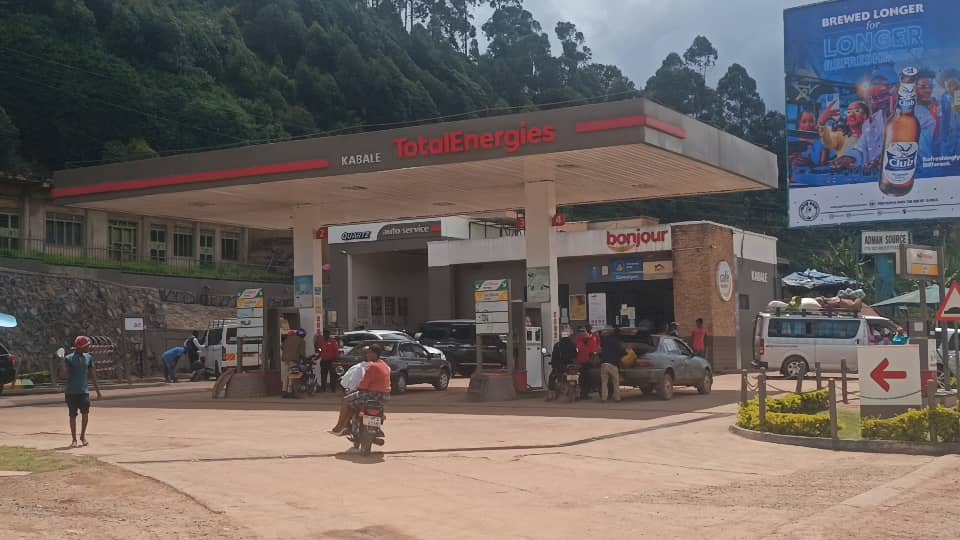
Fuel dealers in Kabale District have attributed the recent rise in fuel prices to the ongoing geopolitical tensions involving the United States, Israel, and Iran, saying the conflict has disrupted global oil markets and pushed up import costs.
According to dealers, Uganda’s heavy reliance on imported petroleum products means any instability in major oil-producing or trading regions has a direct impact on local fuel prices.
A spot check by journalists in Kabale Town found that most fuel stations have increased pump prices, with petrol now selling between Shs5,600 and Shs6,000 per litre.
The increases have already begun to affect transport fares and the cost of goods and services in the area.
At Shell Junction branch in Kabale, manager Moses Turyashaba said diesel prices have risen from Shs5,250 to Shs5,300 per litre, while petrol has increased from Shs5,570 to Shs5,600.
He attributed the fluctuations to instability in global supply chains, which he linked to tensions in the Middle East affecting oil availability and pricing.
At Total Energies in Kabale, manager Ben Gumisiriza said fuel shortages are also contributing to the price increases.
“Currently the supply is very low since the company currently supplies fuel in ratios,” Gumisiriza noted.
Transport operators say the rising fuel costs are already hitting their businesses hard. K
abale taxi operators’ chairperson, Saturday Byamugisha, said the increases have forced them to adjust fares, despite resistance from passengers.
“As road users we are greatly affected and the problem is that customers don’t want to know that prices in fuel have gone high,” Byamugisha said.
Motorists and commuters now fear further fare hikes if fuel prices continue on an upward trend, warning that the cost of living in the district could worsen in the coming weeks.
