
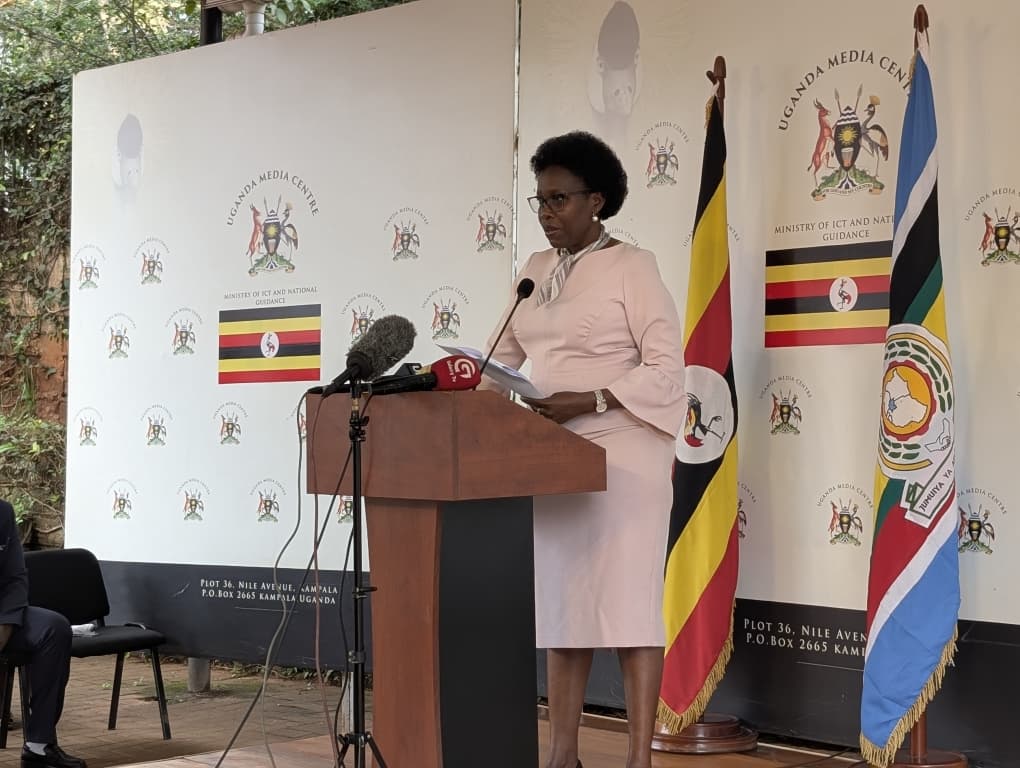
The Ministry of Lands, Housing and Urban Development has announced the approval of a $540 million (approximately UGX 2.1 trillion) funding package from the World Bank to implement the Uganda Cities and Municipalities Infrastructure Development (UCMID) Programme.
Of the total funding, $80 million will be provided as a grant, with the rest structured as financing for the six-year programme set to run from the 2026/2027 to 2030/2031 financial years.
According to Lands Minister Judith Nabakooba, the programme is designed to strengthen urban planning and management systems while improving access to climate-smart infrastructure, services, and employment opportunities.
The UCMID programme will be implemented across 10 regional cities, 26 municipalities, and 13 refugee-hosting districts, directly benefiting an estimated 5.6 million people, including 1.6 million in refugee-hosting areas.
The targeted cities include Lira, Arua, Gulu, Soroti, Mbale, Hoima, Fort Portal, Jinja, Mbarara, and Masaka. Additional municipalities such as Mityana, Bugiri, Kisoro, and Nebbi are among the new areas to benefit.
Government projects that by the end of the programme, at least 20,000 permanent jobs will be created, including 5,000 specifically for refugees and host communities. These jobs are expected to emerge in sectors such as waste management, logistics, maintenance services, and market operations.
Officials say improved infrastructure will also reduce the cost of doing business, stimulate local economies, and increase household incomes—particularly for women, youth, and low-income earners.
The programme will focus on five key pillars: urban roads and mobility, drainage and flood management, nature-based and green infrastructure, sustainable solid waste management, and local economic development.
Implementation will begin with the signing of legal agreements between government and the World Bank, followed by stakeholder sensitisation and procurement of contractors for infrastructure works.
The government is calling on local leaders to fast-track environmental and social safeguards to ensure smooth rollout of the programme in the upcoming financial year.
