
The Constitutional Court has delivered its long-awaited ruling on the consolidated petitions lodged in 2022 by a coalition of civil society organisations, lawyers, human rights activists, and the Uganda Law Society, challenging the 2022 amendment of the Computer Misuse Act.
The petitions argued that the amendment violated constitutional principles, particularly freedoms relating to speech, fair hearing, access to information, and the proper legislative procedure.
Lady Justice Irene Mulyagonja, in her lead judgment, annulled the amendment, a decision unanimously endorsed by the other four Justices of Appeal.
She concluded that Parliament had passed the amendment without adhering to procedural requirements established under Articles 88 and 89 of the Constitution and the Rules of Procedure of Parliament.
The amendment had been integrated into the main Act under the 7th Revised Edition of Principal Laws launched in 2024.
Since the amendment’s inception in 2022, numerous Ugandans, particularly social media users, have faced prosecution under provisions criminalizing hate speech, sharing unsolicited information, malicious information, and misuse of social media.
These prosecutions have raised concerns among civil society and legal experts, who argued that the amendment was used as a tool to suppress free expression.
Several high-profile cases illustrate the human cost of the law among them:
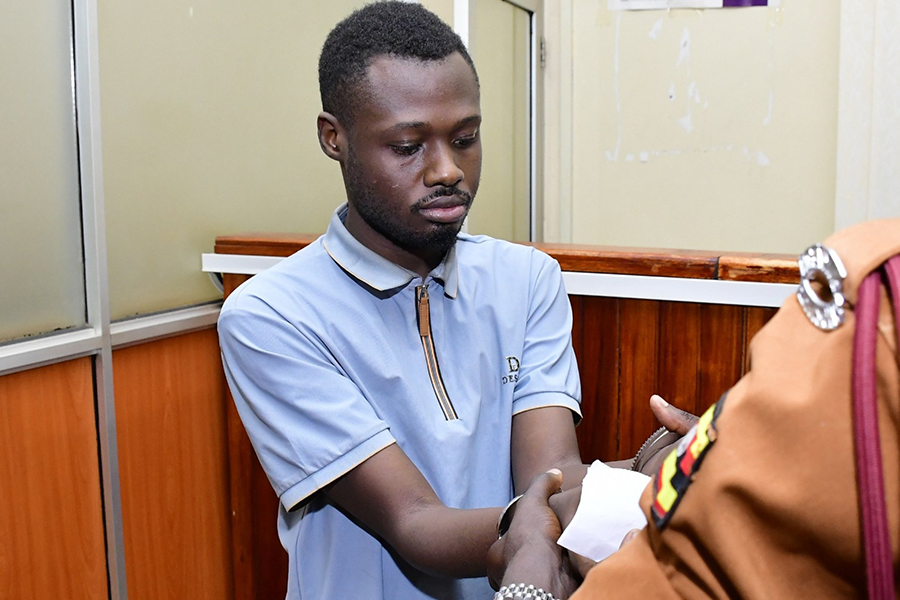
- Edward Awebwa, then 24 years old, was arrested and later convicted for allegedly “abusing” President Museveni, his wife, and son. He is currently serving a six-year sentence at Olia Farm Prison in Adjumani.
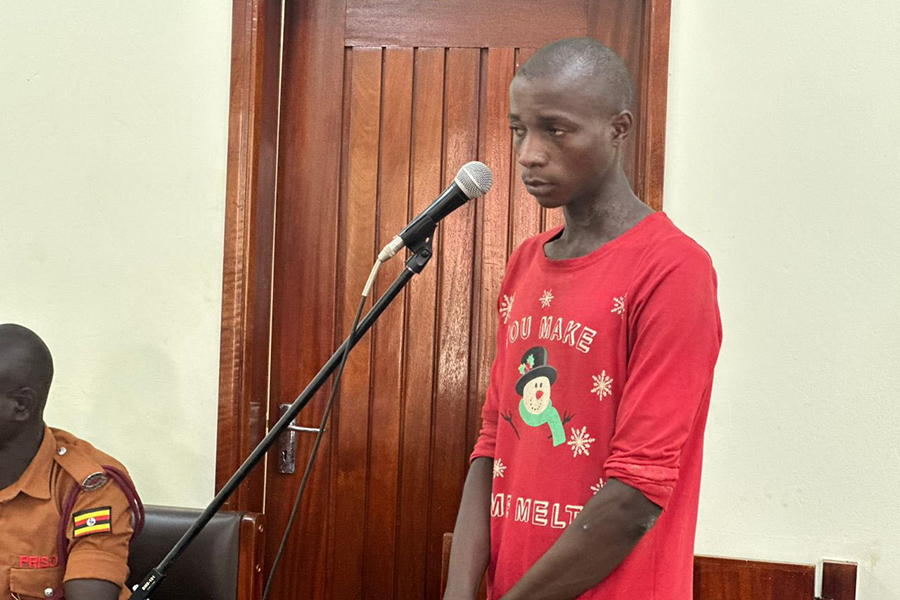
- Ibrahim Musana, a popular TikToker known as Pressure 24/7, was recently remanded to Luzira Prison until March 26, 2026, on charges of hate speech against the First Son, Gen. Muhoozi Kainerugaba.
- Aisha Nansubuga, known online as Luwilight, is also facing ongoing charges under the same provisions.
With the Constitutional Court now striking down the amendment, the key question is the fate of those currently facing prosecution.
Traditionally, when the law under which a prosecution is conducted is nullified, the cases automatically abate. This principle was observed in the 1997 Mwenda and Onyango Obbo prosecution for publication of false news, which was voided following the Supreme Court’s 2004 decision.
A more recent example is the 2024–25 prosecution of Dr Kizza Besigye in the military General Court Martial, which automatically abated following the Supreme Court ruling in Attorney General v Michael Kabaziguruka on January 31, 2025.
However, a legal nuance arises in this case. The Constitutional Court annulled the amendment primarily on procedural grounds—failure to meet parliamentary quorum and other legislative process requirements—rather than on the substantive merits of the provisions themselves.
This raises questions over whether reintroducing similar provisions in Parliament could contravene Article 92 of the Constitution, which prohibits retroactive legislation.
It also remains uncertain whether the Attorney General will appeal the Constitutional Court decision to the Supreme Court.
Any such appeal could delay or complicate the automatic abatement of ongoing prosecutions under the now-nullified provisions.
For the individuals like Awebwa, Musana, and Nansubuga, and the many others caught up in these cases, the ruling represents both hope and legal ambiguity.
While the annulment is a landmark victory for free expression and constitutional safeguards, the practical impact on pending prosecutions will depend on the government’s next legal steps.
