
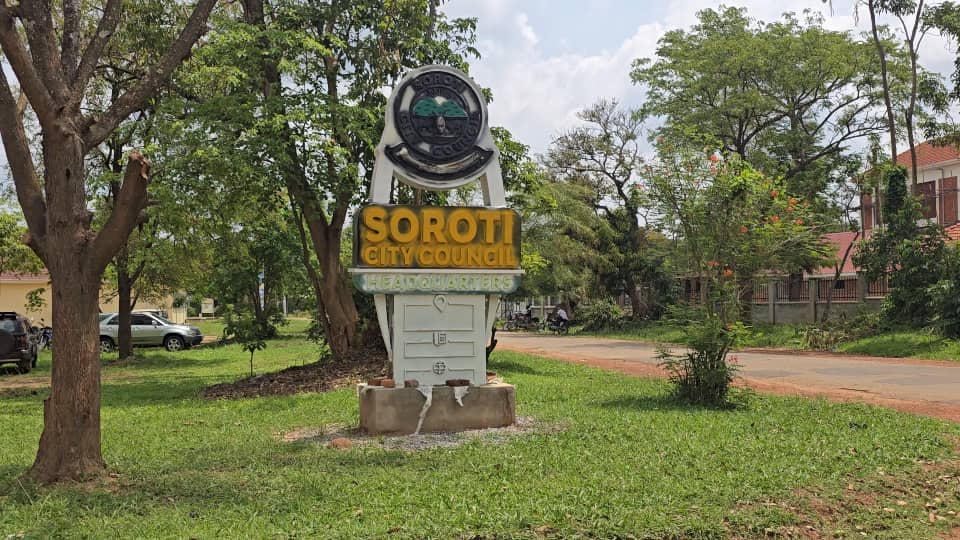
Soroti City is grappling with a critical dilemma: whether to continue waiting for road construction equipment promised by central government ministries or to use its limited locally generated revenue to procure its own machinery.
City authorities say repeated appeals to the Ministry of Works and Transport and the Ministry of Local Government have not yielded results, leaving the city without a functional road unit.
Joseph Mwesigwa, deputy town clerk of Soroti City, says the absence of essential road equipment such as a grader, water bowser, and vibro roller has forced the city to hire machinery from neighboring districts — an arrangement he describes as costly and unsustainable.
“Our biggest challenge is the lack of road equipment,” Mwesigwa explains. “The government gives us Shs1 billion every financial year for road maintenance, but without equipment, we implement projects expensively because we must hire.”
The Shs1 billion road maintenance grant, allocated annually to cities at district level, risks being returned to the national treasury if not absorbed in time due to equipment delays.
However, Mwesigwa notes that unlike many entities that returned funds last financial year, Soroti City managed to utilize all its allocations despite constraints.
The city is now considering procuring its own grader in the next financial year using locally generated revenue, even as it waits for central government intervention.
Despite these challenges, Soroti City has registered notable progress since attaining city status. Under the Uganda Support to Municipal Infrastructure Development (USMID) programme, several roads have been upgraded, improving the city’s outlook.
In the 2025/2026 financial year, the city is implementing multiple projects, including the construction of Ongodia Road at a cost of Shs598 million.
Rehabilitation works are ongoing at Ionia Primary School, while new latrine facilities are being constructed at Islamic Primary School and Amin Primary School.
At Otatai Health Centre, a UPDF-engineered project undertaken by the Union Brigade has stalled but is expected to be completed by the end of the financial year.
Mwesigwa says city status has increased funding flows compared to when Soroti was a municipality. He adds that recruitment is underway to fill 14 departmental head positions after the city secured additional wage allocations to improve service delivery.
Beyond roads, solid waste management presents another major hurdle. With rapid population growth following city elevation, garbage volumes have surged. Authorities estimate that less than 50 percent of daily waste is collected.
Currently, the city operates with only one self-loading truck, one tipper for containers, and an aging tipper lorry that frequently breaks down.
“Other cities have specialized trucks for waste management, but we are struggling with outdated equipment,” Mwesigwa says, appealing for government support.
Revenue collection has improved significantly, rising from Shs1.7 billion in FY 2023/2024 to Shs2.89 billion in FY 2024/2025 — the highest ever recorded.
However, this still falls far short of the city’s estimated Shs30 billion infrastructure needs.
Officials attribute part of the uncollected revenue to leakages by unscrupulous actors but say the Integrated Revenue Administration System (IRAS) is helping to curb pilferage.
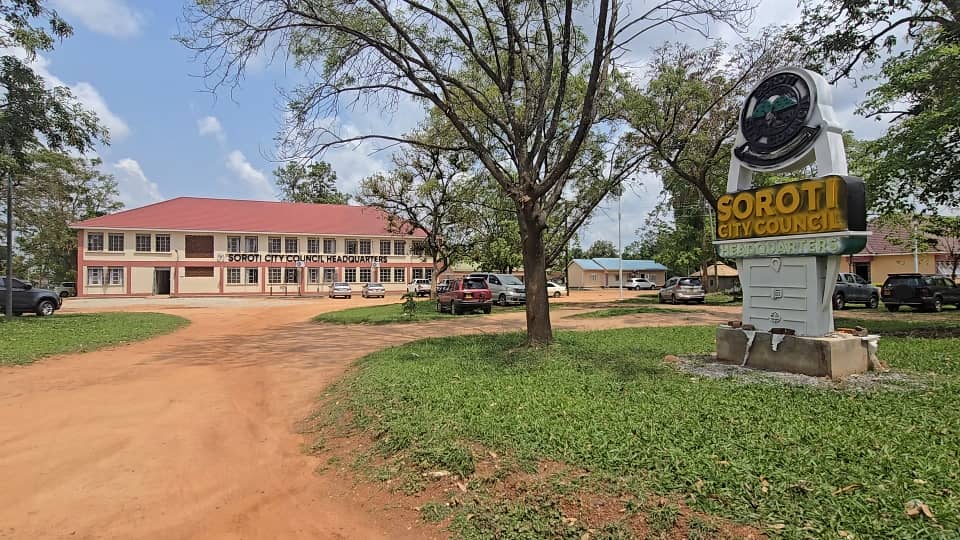
Soroti City Resident City Commissioner John Michael Okurut says while progress has been made, stronger leadership and coordination with central government are needed.
“In the past, we have had leadership challenges,” Okurut notes, expressing optimism that newly elected leaders will accelerate transformation efforts.
Residents acknowledge improvements in road networks, street lighting, housing developments, and business growth since the city was established.
However, some argue that Soroti may have been elevated to city status prematurely, citing lingering structural and service delivery gaps.
Population growth has expanded markets and stimulated satellite centers such as Kambiswaili, Pamba, Morapesur, and Nakatunya. Traffic congestion, once unheard of in Soroti, is now common during evening hours.
Observers say while opportunities have increased, locals must adapt to the demands of an urban economy. They cite examples of farmers selling produce wholesale to middlemen instead of retailing directly for higher profits.
City authorities are also cracking down on illegal grazing, roadside container placements, unauthorized parking, and trading in ungazetted areas, warning that enforcement measures will intensify.
The USMID programme has since been replaced by the Uganda Cities and Municipalities Infrastructure Development (UCMID) programme, under which Soroti City has received an indicative planning figure of Shs30 billion over the next two financial years.
The funding is expected to cover roads, drainage, street lighting, waste management, and slaughter facilities.
As the city weighs whether to invest its scarce local revenue in purchasing a grader, leaders say one thing is clear: without its own equipment, Soroti’s ambition to transform into a modern urban hub may remain constrained.
For now, the city stands at a crossroads — balancing patience for central government support against the urgency of self-reliance in driving development.
