
Comprehensive Rehabilitation Services in Uganda (CoRSU) has called for increased government support, stronger partnerships, and greater community involvement to enable the hospital to continue providing specialised and affordable care for children with disabilities.
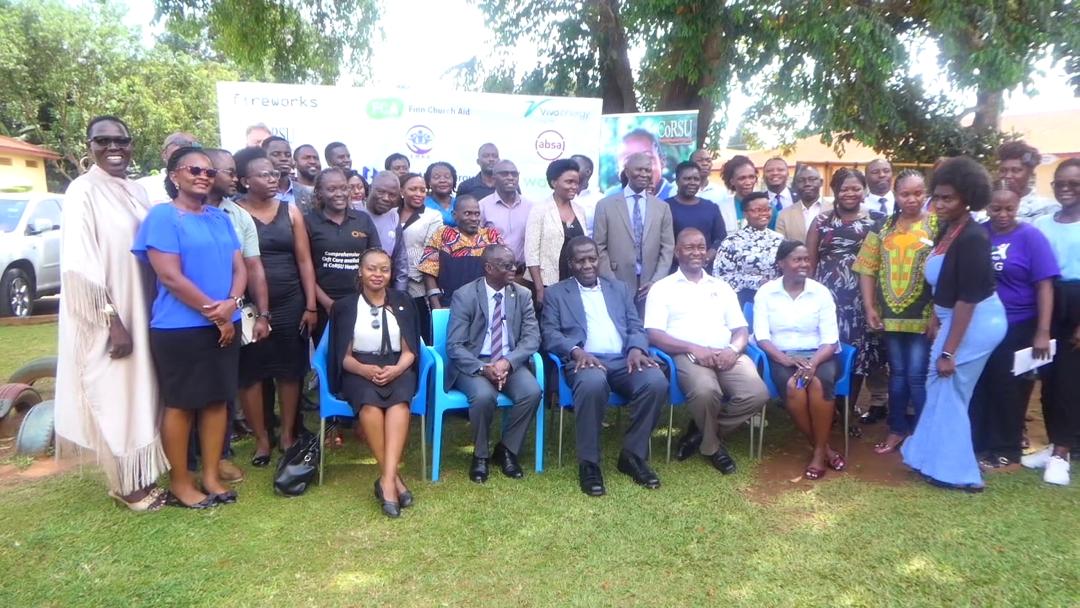
The call was made during a high-level stakeholder engagement meeting held at CoRSU Hospital, which brought together officials from the Ministry of Health, development partners, funders including CBM, corporate partners, and civil society actors to discuss new strategies for strengthening the hospital’s sustainability and impact.
The meeting focused on reviewing CoRSU’s progress, identifying emerging challenges, and exploring innovative approaches to ensure continued access to life-changing surgical and rehabilitation services for children from vulnerable households.
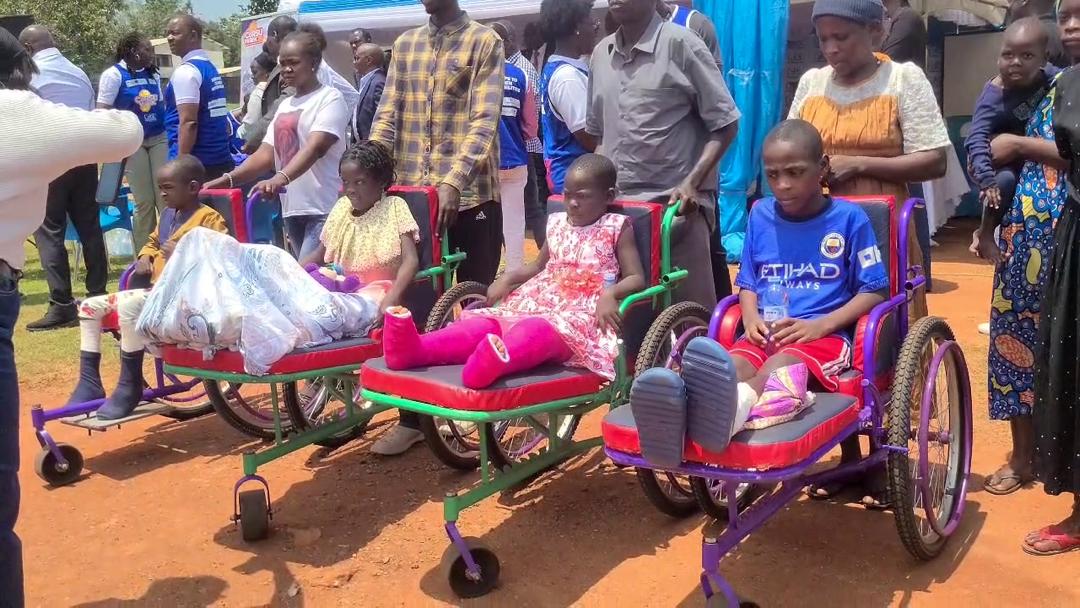
Speaking during the engagement, Dorothy Namayanja, Head of Programmes at CoRSU, said while the hospital has registered significant milestones over the years, the cost of delivering specialised disability services remains high and requires stronger public sector support.
“CoRSU provides highly specialised services that are extremely expensive, yet the majority of the children we serve come from families that cannot afford them,” Namayanja said. “We are therefore urging government to extend its support so that more children with treatable disabilities can access timely and quality care.”
She noted that early intervention remains critical, especially for children with correctable conditions, but many families delay seeking care due to lack of awareness, distance, and financial constraints.
Namayanja also called on communities to play a more active role in identifying and referring children with disabilities to CoRSU, urging local leaders, health workers, and community members to act as watchdogs for vulnerable children.
“Many children are hidden at home simply because families do not know where to seek help. Communities must help identify these children early and refer them to specialised centres like CoRSU, where they can receive proper treatment and rehabilitation,” she said.
Officials from the Ministry of Health acknowledged the hospital’s contribution to Uganda’s disability and child health agenda, noting that CoRSU plays a critical role in complementing government efforts to address surgically treatable disabilities.
CoRSU has, over the years, established itself as a centre of excellence in paediatric orthopaedic surgery and rehabilitation. Since its founding, the hospital has carried out tens of thousands of life-changing surgeries and therapy sessions, with children accounting for the majority of beneficiaries.
Stakeholders at the meeting committed to strengthening collaboration, mobilising resources, and advocating for policy and financing reforms that support disability-inclusive healthcare. Participants agreed that sustained partnerships between government, development partners, and communities are essential to ensuring that no child is left behind due to disability.
