
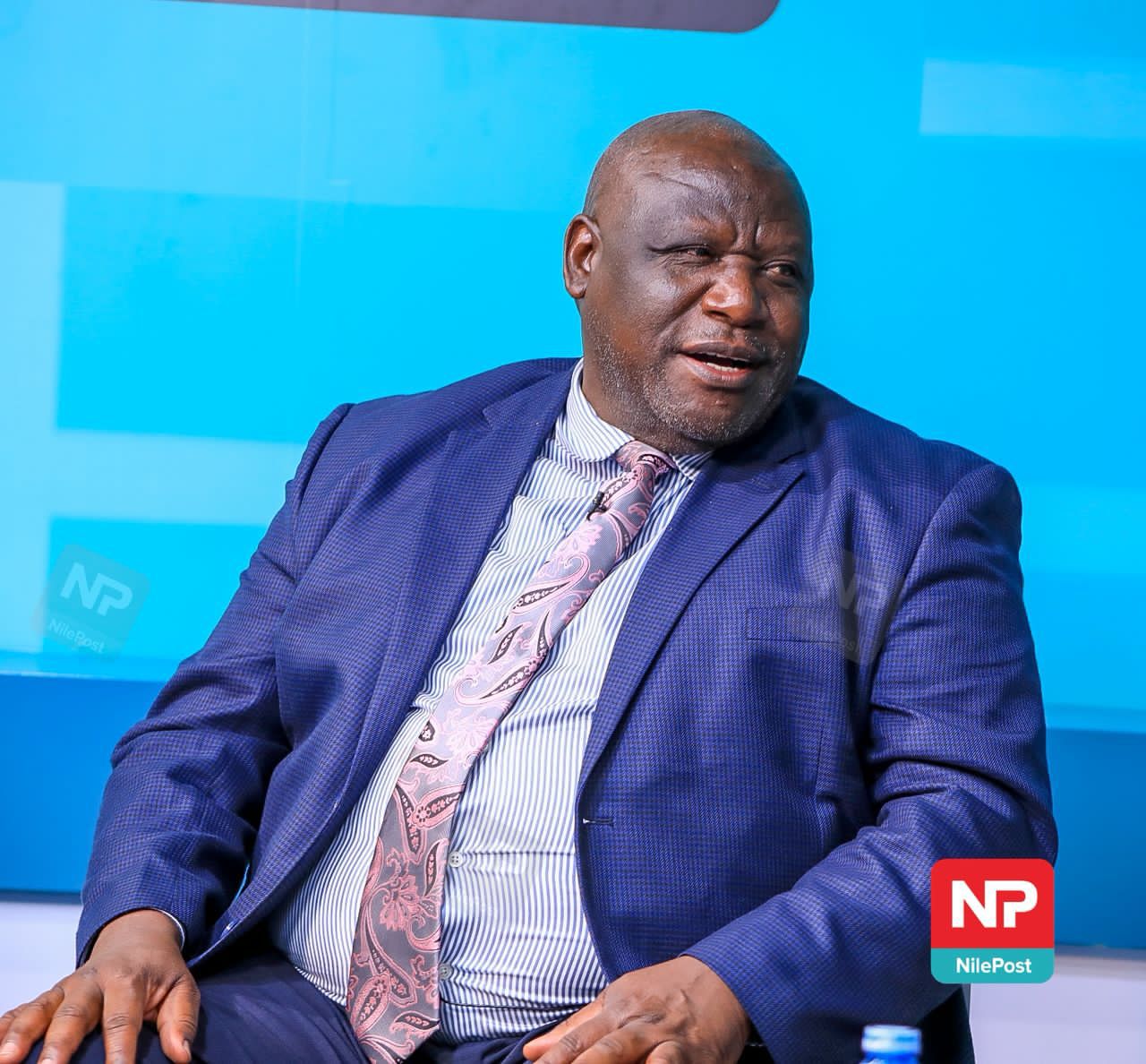
The ruling National Resistance Movement (NRM) has described President Museveni’s recent post-election letter as a message of unity, reconciliation and forgiveness in the aftermath of the January 15, 2026 general elections.
Speaking on NBS Television’s Barometer programme on Tuesday, NRM Director of Communications, Emmanuel Lumala Dombo said the President’s communication was reflective and forward-looking, acknowledging past national challenges while urging Ugandans to move beyond political divisions.
“In his letter, President Museveni cited past issues such as extrajudicial killings and gender segregation, saying the NRM has addressed them over time. The letter was one of reconciliation, forgiveness and togetherness,” Dombo said.
His remarks come amid sustained debate over the conduct and outcome of the 2026 presidential, parliamentary and local government elections, which concluded earlier this month and have drawn mixed reactions from political actors and sections of the public.
In the February 12 letter addressed to Ugandans — with particular reference to the youth — Museveni reflected on his leadership journey, Uganda’s political evolution, and the recently concluded polls.
He congratulated citizens upon what he described as the near completion of the electoral process and recounted campaigning across 153 districts, portraying the rallies as peaceful, celebratory and reminiscent of the 1996 elections, which he said were defined by a rejection of sectarian politics.
According to Dombo, the President used the letter to restate the NRM’s historical position as a movement that sought to end extrajudicial killings, curb identity-based politics and restore national stability.
Museveni also highlighted reforms in the electoral system, expansion of infrastructure, agricultural modernisation and social service programmes such as universal immunisation, Entandikwa, Universal Primary Education (UPE) and land policy reforms.
The President nevertheless acknowledged that challenges remain, including poverty, corruption, the high cost of education and gaps in the implementation of pro-poor programmes.
He argued that while progress has been made, more effort is required to consolidate gains and ensure inclusive development.
Museveni further credited Biometric Voter Verification (BVV) machines with reducing electoral fraud, while accusing sections of the opposition of engaging in malpractice.
He urged political actors to prioritise fairness and national cohesion, calling for principled reconciliation and lessons drawn from past mistakes.
Dombo reiterated the NRM’s commitment to peaceful political engagement and inclusive governance, saying the party remains focused on addressing citizens’ concerns while strengthening national unity.
“The message is that Uganda must move forward together. Elections come and go, but the country remains,” Dombo said.
