
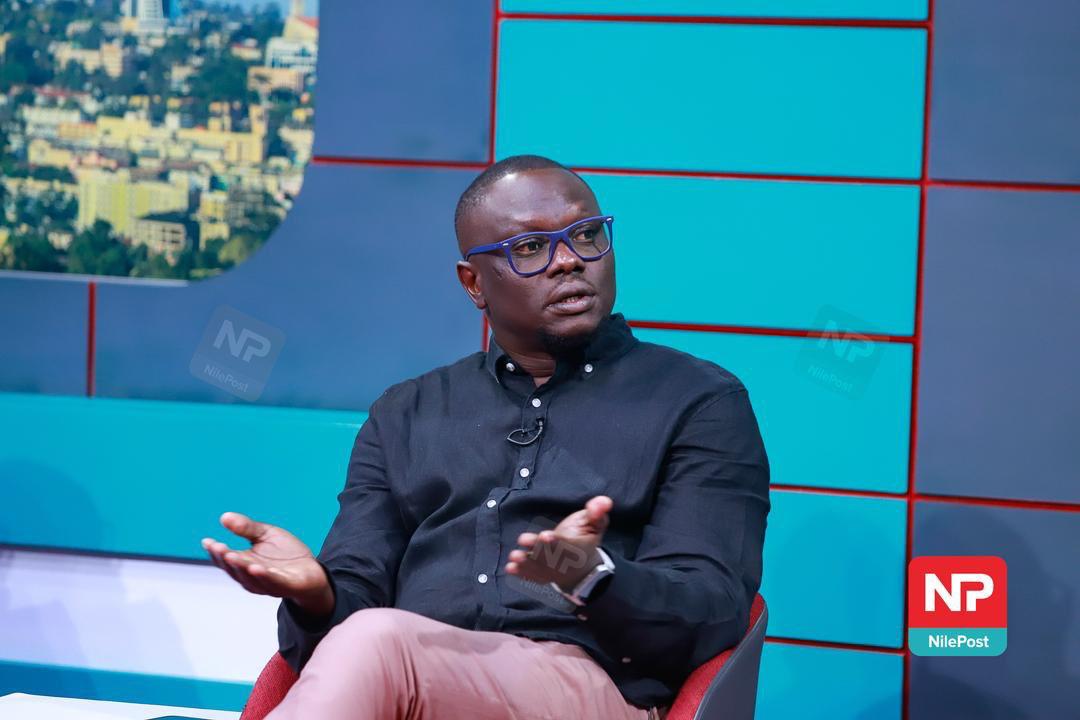
By Ajok Freda
Benson Ongom, NBS TV’s Bureau Chief for Northern Uganda, describes journalism as “a test of nerve and discipline” — a profession that demands speed, accuracy, and an unwavering sense of purpose.
After taking a year’s break from the newsroom, Ongom returned to reporting with renewed energy and focus. From his base in Acholi, he coordinates coverage that stretches across Northern Uganda — from Lango and West Nile to Karamoja — a region he calls “as dynamic as it is demanding.”
“There is a lot of pressure in the newsroom,” he says. “Things happen in the night and the morning, and you must be ready. We start early — Morning Breeze, editorial planning at 8 am, arranging guests, and filing leads. After that, I go looking for sources and coordinate with my team in West Nile, Lango, and Karamoja. Sometimes you’re called abruptly and you must move.”
With the countdown to UG Votes 2026 already underway, Ongom says the appetite for timely and credible updates has never been greater. News, he adds, is no longer bound by television schedules — it’s instant, portable, and constantly shared.
“People want quick news — something they can see on their socials,” he explains. “I’ve seen stories trending in WhatsApp groups in Northern Uganda before they hit TV. But as news spreads faster, our responsibility grows. Credibility cannot be compromised. Fact-checking is crucial. Balance is non-negotiable.”
Now covering his third national election, Ongom has witnessed Northern Uganda’s news agenda evolve. Where stories once focused on post-war recovery, the narrative has shifted toward governance, accountability, and community development.
“In the past, we reported a lot on conflict and recovery,” he reflects. “Now, people want to know what government and development partners are doing — about health, education, service delivery, and livelihoods. These are the stories that matter.”
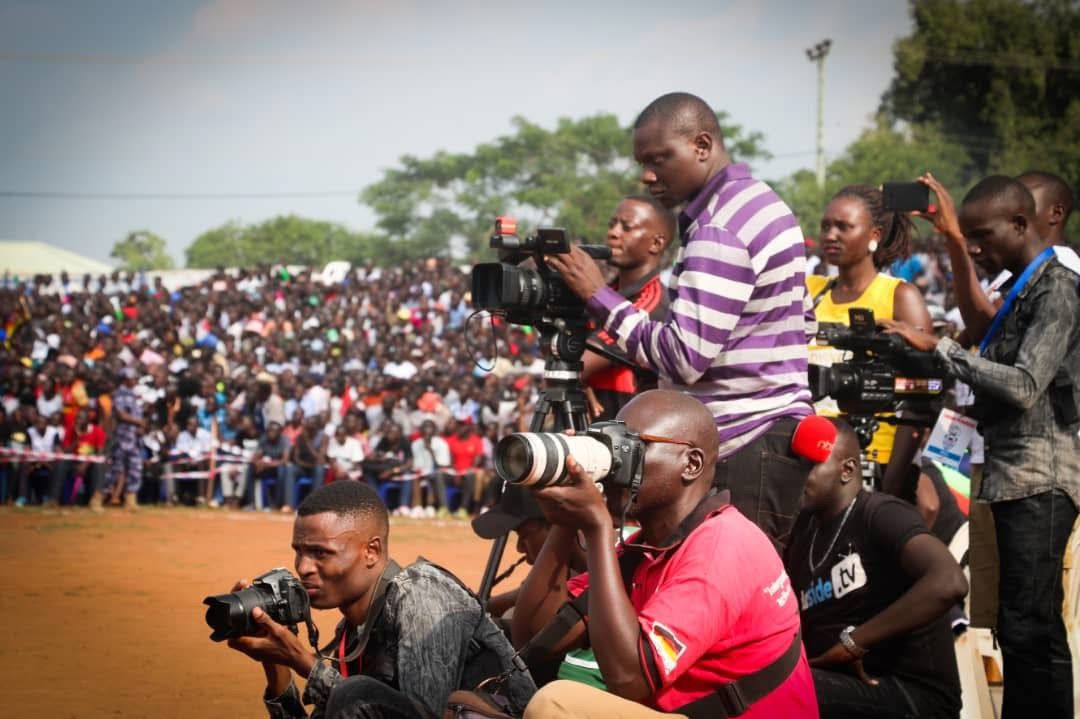
That drive for accountability is more than professional rhetoric. Ongom’s 2019–2020 investigative piece, Lives in the Hands of Quacks, exposed unqualified health practitioners running clinics in rural areas. The series not only earned him an award for investigative journalism but also sparked national debate on healthcare standards in Northern Uganda.
“That story made me realise you don’t need to be a politician to create impact,” he says. “It remains one of the most referenced stories in the region.”
But the job is far from easy. Field reporters face tight deadlines, logistical challenges, and at times, intimidation. For Ongom, the antidote is integrity.
“Never blackmail anybody, and don’t be threatened,” he advises. “Once you have the facts, no one can intimidate you. Be credible. Tell stories that create impact — stories you can be proud of.”
As media consumption habits evolve, Ongom is leading by example. He has produced podcasts and online talk shows dissecting regional issues and believes the future of journalism lies in digital adaptability.
“The digital platforms are the future,” he says. “Radio will have to evolve into audio-visual formats if it’s to survive.”
Still, he argues that Northern Uganda remains under-reported — not for lack of stories, but for lack of attention to the region’s beauty and diversity.
“If you move from Karuma through Lango and Acholi to Karamoja and West Nile, you’ll see how rich this region is — its culture, landscapes, rivers, and hills,” he says. “We haven’t told that story well enough. We’re still too focused on political and conflict narratives.”
As Uganda prepares for another election season, Ongom’s mission is clear: to produce journalism that informs, challenges power and reflects the lived experiences of ordinary people.
“Field reporting will always come with pressure,” he concedes. “But journalism is worth it — especially when you see that your work has made a difference.”
