

A few months before Sudan’s ongoing war erupted, baby Alaaal-Din Abdallah al-Sayyid was born in the al-Qadisiya neighborhood of Port Sudan, into circumstances his parents had hoped he would never face.
Amid violence, displacement, and destruction, they spared no effort to shield him, praying that peace would prevail before he reached school age.
But on September 1, their lives were shattered when their son, barely able to take his first steps, vanished under mysterious circumstances. Despite desperate searches, his fate remains unknown, according to a September 28 statement by the Emergency Lawyers group.
A Surge in Disappearances
The group reported a sharp increase in child disappearances in Port Sudan, Gedaref, and River Nile states, warning of potential links to human trafficking networks and forced recruitment. “We have received hundreds of complaints from families and citizens,” the statement said, highlighting widespread public anxiety.
It noted “patterns of systematic targeting in the absence of adequate security oversight, amid suspicions of criminal networks or actors seeking to exploit children through trafficking or social terror.” Authorities were accused of secrecy and failing to keep the public informed.
The group emphasized that these abductions “pose not only a grave threat to community security but constitute a serious crime under Sudanese law and international human rights conventions, chiefly the Convention on the Rights of the Child.”
It called for urgent investigations, stronger neighborhood and checkpoint patrols, and inspections of suspicious vehicles, warning that delays “open the door to grave violations, including trafficking and forced recruitment.”
Children Paying the Heaviest Price
UNICEF has repeatedly warned that Sudanese children are bearing the brunt of the war. On August 5, UNICEF representative Sheldon Yett said children in Sudan had been reduced to “skin and bone.”
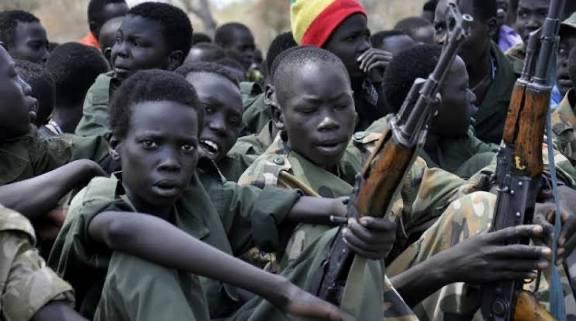
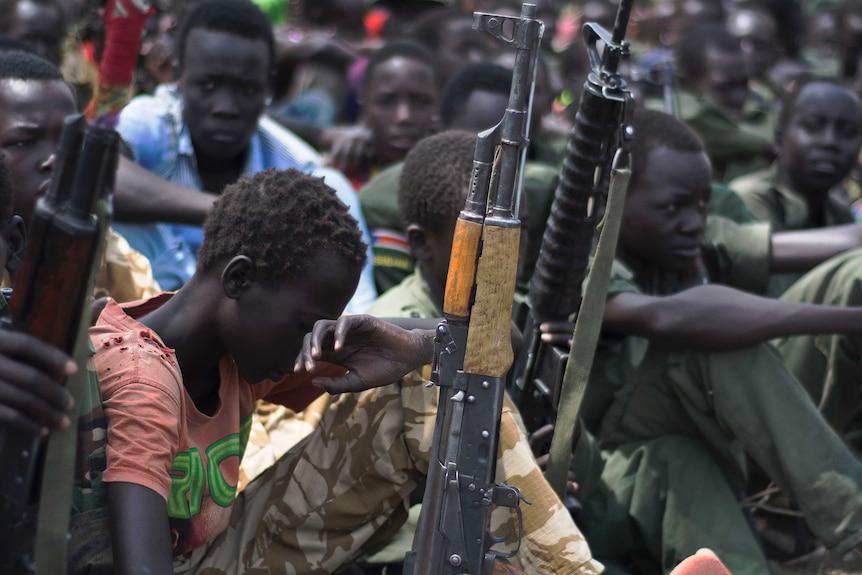
At the same time, rights groups documented alarming trends of child recruitment by the Sudanese army and Islamist militias such as the al-Baraa ibn Malik Battalions, the paramilitary wing of the Muslim Brotherhood, as well as the Sudan Shield militia.
Witnesses confirmed that child recruitment was part of mass mobilization campaigns overseen by Islamist leaders, with documented cases in Kordofan.
Even Sudan’s Education Minister, Tehami al-Zein, acknowledged the practice, offering exemptions from school fees for students who joined military operations. Legal experts condemned the remarks, insisting that deploying children in combat violates both international and domestic law.
The Sudanese Teachers’ Committee denounced the minister’s statements as a “blatant violation” of children’s rights and demanded accountability for him and Prime Minister Kamel Idris al-Tayeb. They stressed that “child recruitment is a crime, and education is a natural right for all Sudanese children.”
The Sudanese Founding Alliance (“Ta’sis”) echoed these concerns, citing evidence from the August 20 battles in which Port Sudan militias deployed underage fighters, many captured. Most were of primary and middle school age, some coerced under threats to their families.
Videos also surfaced of primary school students at rallies chanting slogans of the Muslim Brotherhood and dissolved National Congress Party, described as “systematic indoctrination and militarization of children.”
Multiple Crimes
Child recruitment is only one aspect of the violations attributed to Port Sudan authorities. Rights groups accuse them of weaponizing hunger by blocking aid and rejecting ceasefire initiatives, echoing U.S. charges.
On September 25, the Sudanese Alliance for Rights (SAR) filed a case at the International Criminal Court against four senior Port Sudan leaders, Abdel Fattah al-Burhan, Yasser al-Atta, Shams al-Din al-Kabbashi, and Major General al-Tahir Mohammed, accusing them of using chemical weapons and committing grave crimes against civilians since April 2023.
The coalition is working with international lawyers, calling for investigations, prosecutions, and accountability.
The coalition also submitted complaints to the African Commission on Human and Peoples’ Rights and the Director-General of the Organization for the Prohibition of Chemical Weapons, urging urgent investigations and suspension of Port Sudan Authority’s membership.
They warned that international silence “encourages impunity.”
The United States confirmed the Sudanese military’s use of chemical weapons during the war and imposed sanctions, including suspension of non-humanitarian aid, bans on weapons sales, restrictions on loans and credits, and potential diplomatic isolation.
Harsher sanctions could follow after 90 days if Sudanese military leaders fail to comply with U.S. conditions, effectively closing off international funding avenues and restricting airspace access.