
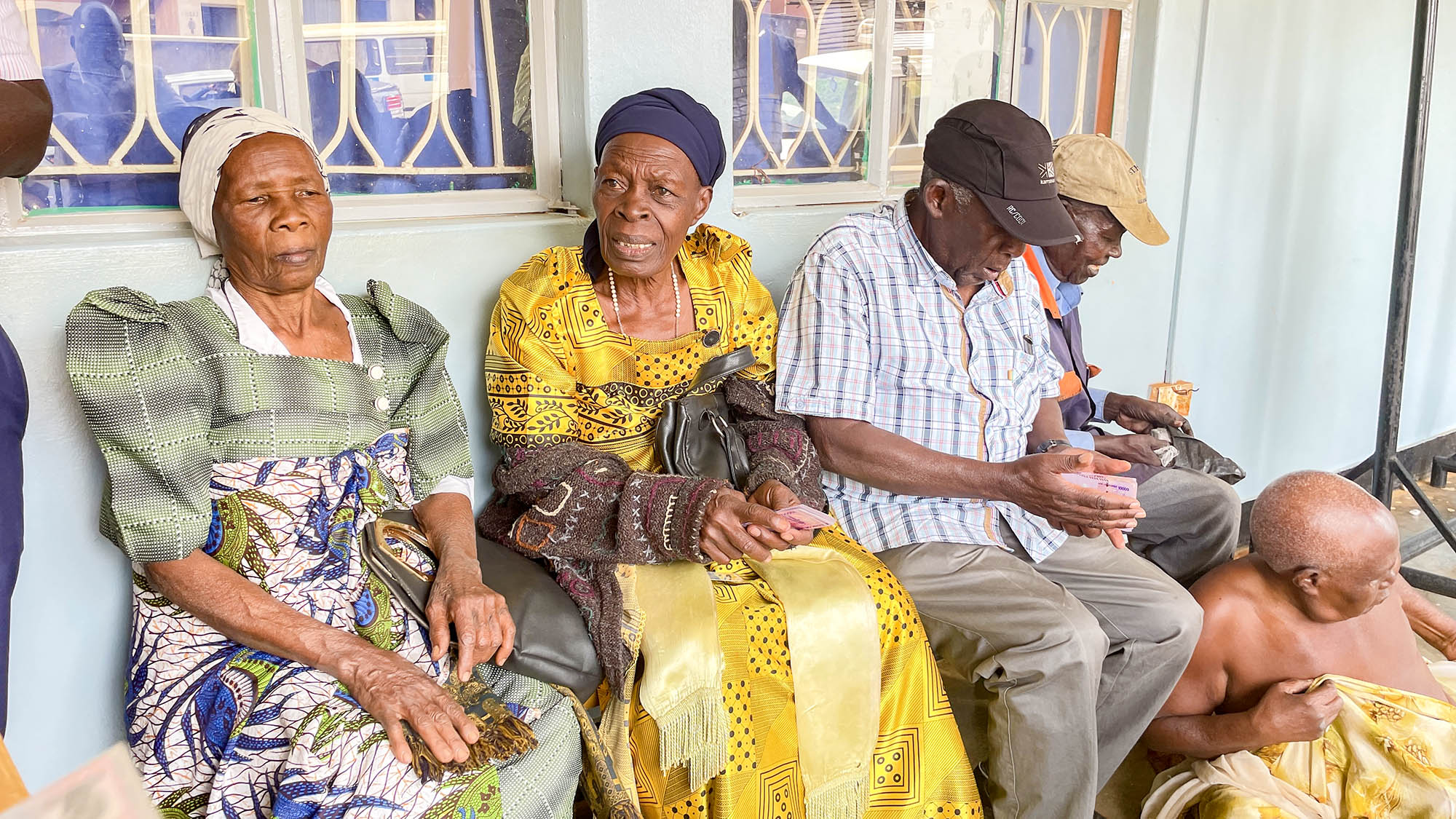
The Minister of State for Older Persons, Dominic Gidudu Mafabi, has called on the government to lower the age threshold for older persons to access the Social Assistance Grant for Empowerment (SAGE) funds.
Speaking during the national celebrations of the International Day for Older Persons at St. John’s Secondary School, Wakitaka, Gidudu highlighted several challenges faced by Uganda’s elderly population.
He noted that SAGE, launched by President Museveni in 2010, currently supports 350,000 older persons annually, with an additional 50,000 beneficiaries under other programs, bringing the total to 400,000.
“By the end of a five-year cycle, we aim to assist 2.5 million older persons,” he said, a number that exceeds the current elderly population.
Gidudu also referenced the Special Enterprise Grant for Older Persons (SEGO), which supports 13,449 beneficiaries aged 68-79 across 181 local governments, as well as a cash transfer program for elderly refugees in West Nile, supported by the World Food Programme (WFP) and the Government of Ireland.
Despite these initiatives, Gidudu highlighted ongoing challenges, including a Shs25.6 billion funding gap, the high SAGE eligibility age of 80, and limited access to government airtime for older persons’ councils to engage their peers.
He urged the Vice President to advocate for free radio airtime, improved access to geriatric healthcare, and legal services.
Charles Isabirye Muwaya, Chairperson of the National Council for Older Persons, praised government support but called for increased funding.
He proposed a Shs7 billion budget to strengthen council operations and highlighted barriers such as limited healthcare, legal support for land and property disputes, and cumbersome pension verification processes.
President Museveni, in a speech read by Vice President Jessica Alupo, emphasized the importance of including older persons in wealth creation initiatives, such as Emyooga and the Parish Development Model, through the support of their children and grandchildren.
He noted Uganda’s elderly population at approximately 2.3 million, according to the 2024 Population Census, and acknowledged their lifelong contributions to national development.
“The tarmacked roads, electricity supply, hospitals, schools, and peace we enjoy today are the foundation for development,” Museveni said.
He urged leaders to mobilize older persons to leverage these resources for economic empowerment and highlighted six key needs for aging well: a healthy lifestyle, proper diet, staying active, regular exercise, good company, and a sustainable basic income.
Marcus Prior, Deputy Country Director of WFP, lauded Uganda’s commitment to social protection and called for sustainable mechanisms to ensure economic security and dignity for the elderly.
Grace Hellen Asamo, Minister of State for Disability Affairs, praised older persons for their resilience and urged strategies to mobilize them in political processes while preserving cultural values.
The event also saw resolutions from the National Council’s Annual General Meeting, including calls to increase SAGE grant allocation from 5% to 10% and to provide office spaces for district councils of older persons.
Vice President Alupo launched a toll-free line (116) for older persons to report concerns and handed over a dummy cheque of Shs311 million to SEGO beneficiaries in the Busoga sub-region.
The celebration, coinciding with World Music Day and International Coffee Day, underscored Uganda’s commitment to honouring its elderly while addressing their economic and social needs.
