

KAMPALA – Uganda is positioning energy efficiency at the heart of its development strategy as government projections show that the upcoming Energy Efficiency and Conservation Bill, 2024, could save the economy more than $682 million (Shs2.6 trillion) by 2030.
The draft Bill, now before Cabinet for approval, seeks to establish a legal framework that promotes efficient energy use, reduces wastage, and strengthens conservation practices across households, industries, and public institutions.
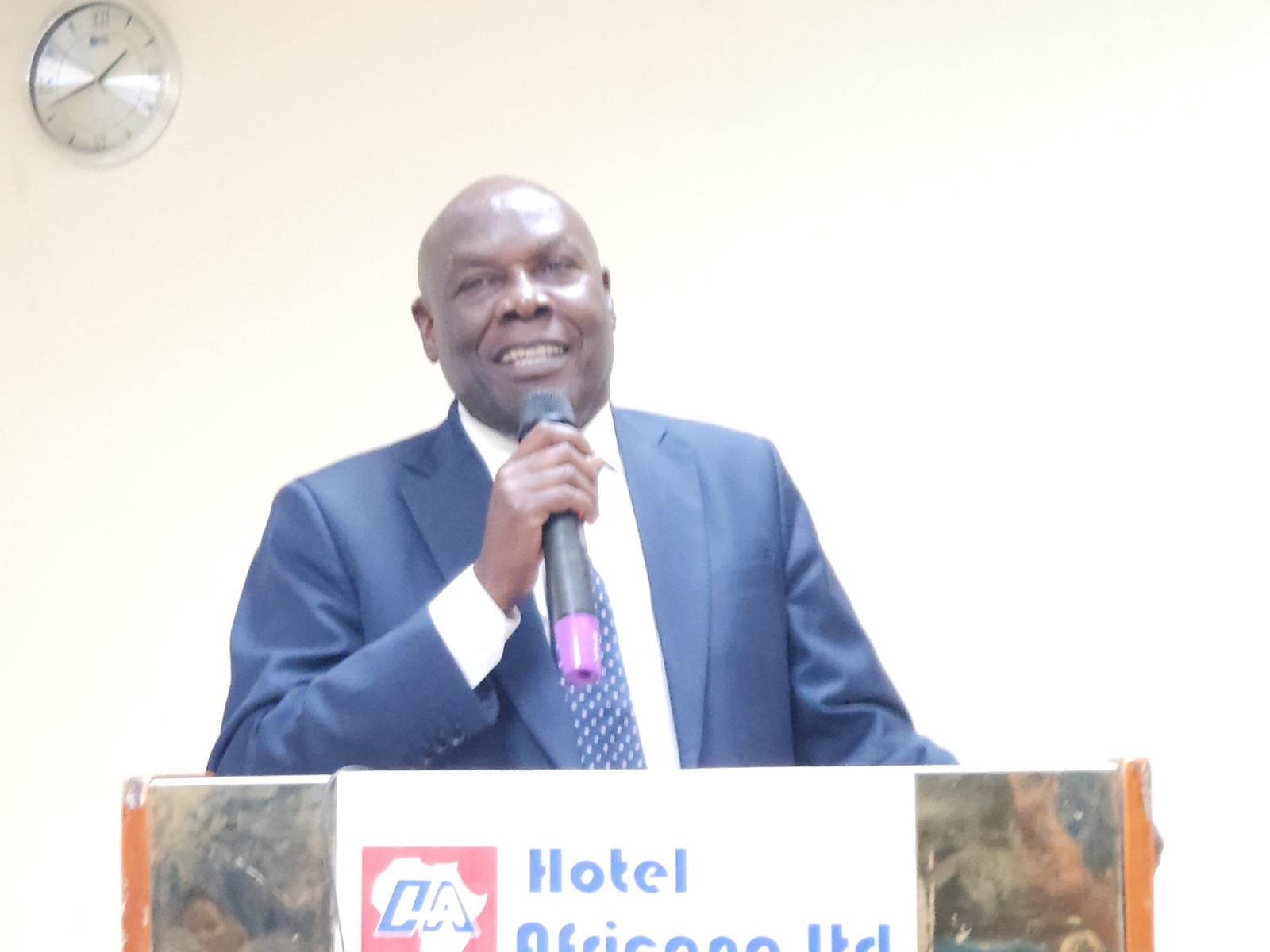
Speaking at a stakeholder meeting at Hotel Africana in Kampala, Minister of State for Energy Okaasai Sidronius Opolot said Uganda can no longer afford inefficiencies in its energy sector.
“Our projections show that if this Bill is fully implemented, Uganda can save at least 2.6 trillion shillings by 2030. These savings can be redirected to critical sectors such as education, health, and infrastructure development,” Okaasai said.
The Bill proposes minimum energy performance standards for appliances, mandatory energy audits for high-consumption industries, and incentives for renewable energy adoption. It also ties into Uganda’s international climate commitments under the Paris Agreement.
Dr. Patricia Litho, Commissioner for Communications and Information Dissemination at the Ministry of Energy, described the law as a “game-changer,” noting that public sensitization and behavioral change would be key.
“Energy efficiency begins with individual responsibility—switching off unused appliances, choosing energy-saving bulbs, and adopting technologies that cut wastage. If embraced at scale, these simple actions can create a ripple effect with national impact,” she said.
Experts argue that reducing inefficiencies will not only cut household and industrial energy costs but also boost competitiveness in manufacturing, attract investment, and free resources for rural electrification.
“If industries, schools, and hospitals adopt energy-efficient practices, the ripple effect will be felt across the economy. This Bill is not just about saving money, but about improving livelihoods and protecting the environment,” Okaasai remarked.
The Energy Efficiency and Conservation Bill, 2024, is expected to be presented to Parliament before the end of the year.
Once passed, Uganda will join a growing list of African countries that have institutionalized energy efficiency as a pillar of national development.