
The Ministry of Foreign Affairs has warned that ongoing conflict and displacement continue to place a heavy mental health burden on the Great Lakes Region.
About 35% of displaced adults, 85% of children, and 56% of youth suffer from trauma-related disorders.
The concern was raised during the launch of a regional training program in Uganda by the International Conference on the Great Lakes Region (ICGLR).
The program aims to integrate mental health and psychosocial support (MHPSS) into peacebuilding and post-conflict response.
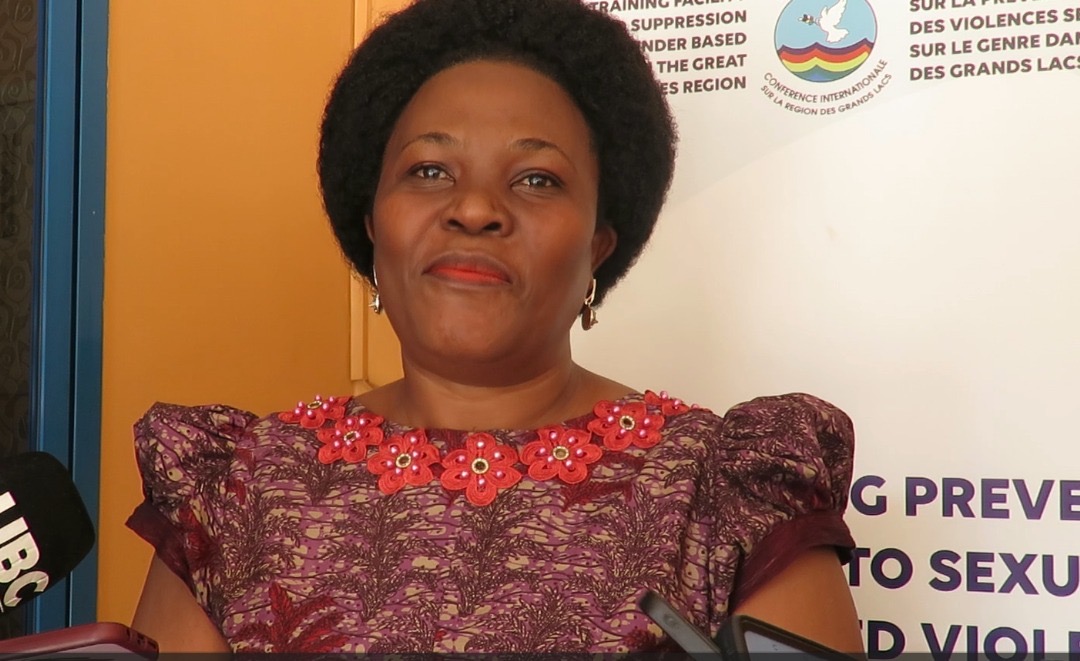
Edith Namutebi, Acting Head of the Regional Peace and Security Department at the Ministry, said the training brings together the judiciary, prosecutors, health and gender ministries, and civil society to strengthen responses to conflict-related trauma.
“Conflict naturally leads to displacement. Imagine losing your comfort for years and having to start over in a new place. You cannot be the same,” Muganda said, noting that unresolved trauma can fuel further violence.
The initiative seeks to build a network of practitioners to support healing and resilience in communities affected by decades of war across the region.
Dora Byamukama, ICGLR representative, said the program focuses on three key areas: prevention and response to sexual and gender-based violence (SGBV), mental health and psychosocial support, and peacebuilding.
She emphasized the need to address both physical and psychological impacts of violence to ensure comprehensive survivor support.
The training also highlights the role of individual well-being in broader peacebuilding efforts, equipping participants with skills to support trauma survivors, including victims of rape, defilement, and human trafficking, while fostering community reconciliation.
The ICGLR program reinforces ongoing regional efforts to strengthen collaboration on SGBV prevention, mental health, and post-conflict recovery, particularly in areas affected by prolonged unrest.
