

By Simon Ssenyonga
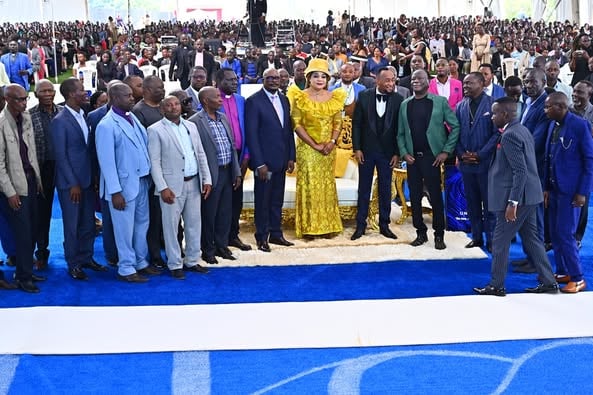
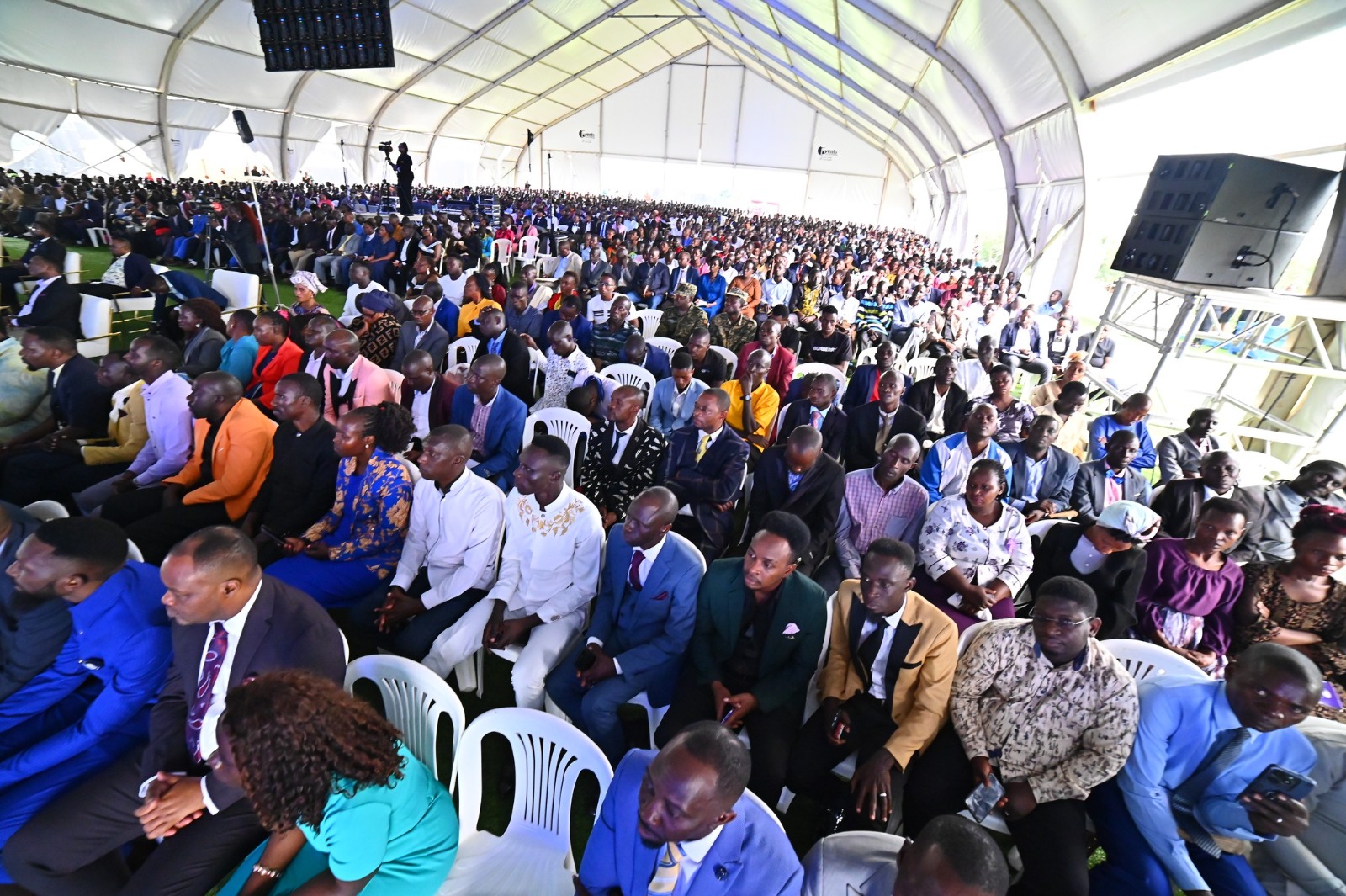
"If they regarded you (the church) as non-essential at the time that mattered most, then don’t fool yourself— even now you are still non-essential.” These were the striking words that echoed at the launch of the Remnant Identity Coalition on Friday, July 25, 2025, at Zoe Grounds.
Similarly, in his 2020 open letter to church leaders, Prophet Elvis Mbonye posed a piercing question: “Are we really that naïve to think that the world has our best interests at heart when planning its future agenda?”
The word “essential” gained prominence during the COVID-19 lockdowns, forming the basis upon which governments decided who could operate and who would be silenced.
According to Prophet Mbonye, it was partly this experience that inspired the vision for the Remnant Identity Coalition—a global network of faith-based ministers, ministries, and religious organisations committed to prophetic guidance and the building of a united remnant army.
He argues that the onslaught on the church during COVID-19 succeeded largely due to disunity, compromise, and ignorance of the prophetic word God had already revealed to him in 2018 about the global systems’ assault on the church in 2020.
This ignorance, he says, made it easier for governments to classify the church as non-essential.
A Legal and Strategic Onslaught
The COVID-19 era revealed how the law could be used to merge public health, politics, and geopolitics. In Uganda, a four-pronged approach emerged: adopting global standards, militarising enforcement, and fully utilising the health system’s authority—sometimes to the detriment of the church.
Key legal instruments included:
- The Constitution’s Objective 23 – Mandating government action during disasters or hazards that disrupt normal life.
- The Penal Code (Cap 120) – Criminalising negligent acts likely to spread dangerous diseases, punishable by up to seven years in prison.
- The Public Health Act (Cap 281) – Empowering the Minister of Health to impose sweeping measures via statutory instruments.
Statutory Instrument 52 of 2020 specifically banned church gatherings beyond 10 people until May 19, 2020, and only at the minister’s discretion could restrictions be lifted. Enforcement involved the army, police, and a Joint Task Force led by the UPDF Deputy Chief of Defence Forces.
Prophet Mbonye likens this to a well-orchestrated symphony—a deliberate, long-term strategy that sidelined the church. Worse still, he says, many church leaders embraced government patronage, becoming too compromised to offer prophetic counsel.
The Birth of a New Era
In response, the Remnant Identity Coalition was formed to restore honour, unity, and resilience to ministers of God. Membership offers:
- Fellowship and unity
- Shared resources and knowledge
- Collective mission and evangelism
- Advocacy and protection
- Networking and increased influence
Globally, the coalition aims to reposition the church in both the temple and the marketplace. It calls for a generation dedicated to Christ, resistant to manipulative global systems, and unafraid to defend the church’s role in society.
As Prophet Mbonye warns: “If we hold up the white flag of surrender in the face of these agendas, a time will come when our mode of worship of Christ will only be as dictated by the world.”
This is why the Remnant Identity Coalition is not just relevant—it is necessary.
The writer is a lawyer and a member of the Remnant Identity Coalition