

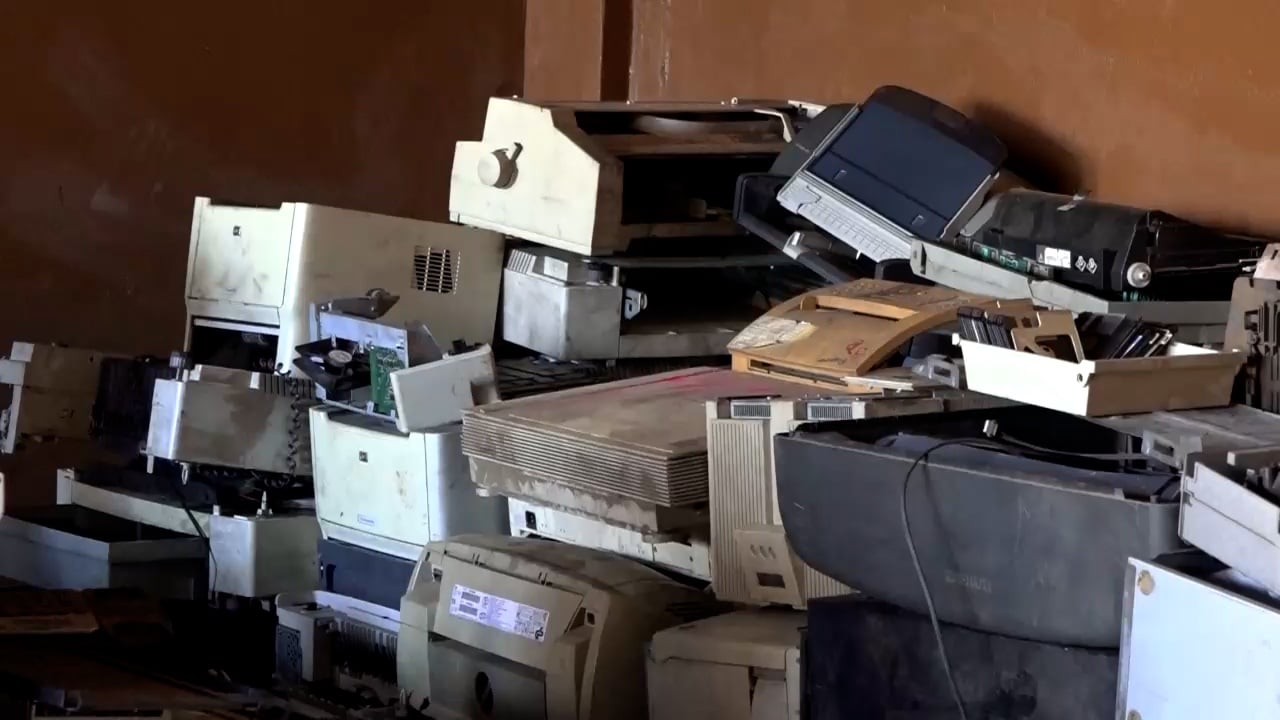
ICT leaders from across Africa have called for urgent collective action to address the rapidly growing threat of electronic waste, warning that failure to act could trigger a continental environmental crisis.
Speaking at a Validation Engagement for Policies and Regulations for ICT Authorization and w-Waste Management in Kampala, experts from Comesa, EAC, SADC, and IGAD member states urged governments to strengthen recycling systems, tighten regulations, and hold producers accountable for the full lifecycle of their devices.
The Ministry of ICT and National Guidance announced plans to establish electronic waste recycling centres, starting in Kampala — believed to be the country’s largest source of discarded electronics.
The move comes amid growing concerns over the health and environmental dangers posed by improperly managed e-waste from devices such as phones and computers.
“If we do not manage the e-waste properly, we risk our health and environment,” warned Dr. Amina Zawedde, the ministry’s Permanent Secretary.
She noted that while Uganda operates under the National Environment Act and existing ICT guidelines, new policies and regulations are under review to address emerging challenges.
She also stressed the need for strong public–private partnerships to promote sustainable ICT growth and environmental responsibility.
Comesa Secretariat Telecommunication Officer Leonard Chitundu urged African nations to act in unison.
“E-Waste is not just a national problem; it is a continental crisis in the making. Africa must act collectively before it is too late,” he said.
The Kampala meeting focused on strategies for the safe handling, recycling, and regulation of e-waste, with stakeholders agreeing that coordinated regional action is key to averting the looming disaster.