

By Andrew VM Naimanye
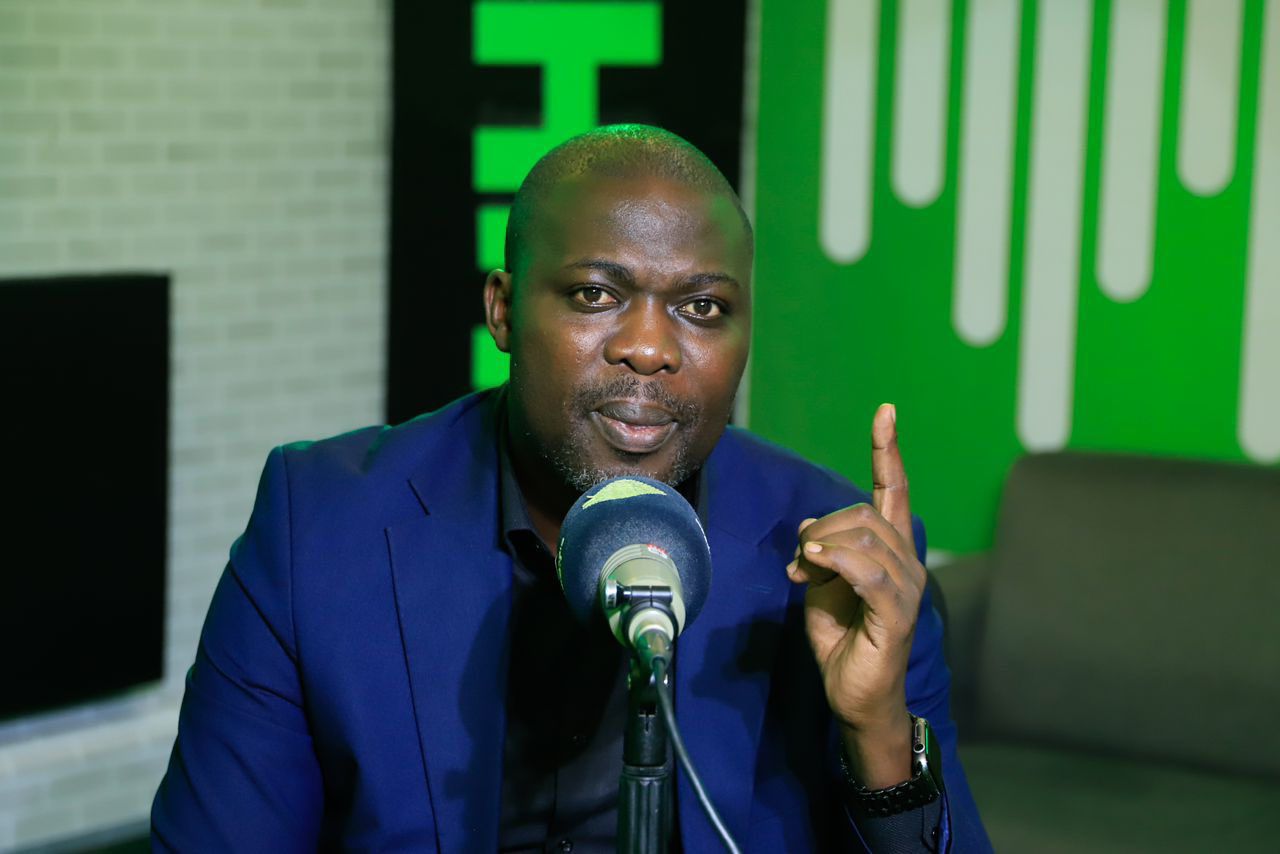
Bukoto Central Member of Parliament, Richard Sebamala, has voiced concern over the government's current financial priorities, revealing that the Uganda National Roads Authority (UNRA) is grappling with a Shs 1.2 trillion debt, and cautioning that road infrastructure may not receive the attention it urgently needs ahead of the 2026 elections.
Speaking during Next Big Talk on Next Radio on Thursday, Sebamala said that although the Ministry of Works is in dire need of funding to address the country’s deteriorating road network, the government has placed debt repayment and election funding above all else.
“By the time we reached this point, at the close of UNRA, they told us that they had a debt of Shs 1.2 trillion and this was made very clear to the President,” Sebamala stated.
“The government’s priority right now is to ensure a fair election and retain power, so I don’t think the State is going to prioritise roads at the moment.”
He stressed that the authority to instruct the Ministry of Finance to shift its fiscal focus and provide relief funding to the Ministry of Works is in the hands of President Museveni
“The President had to tell them, as much as we have these elections, allocate some money to the Ministry of Works to fix the roads,” Sebamala added.
The Renowned Civil Engineer emphasised that the Ministry of Finance is not deliberately denying funds to the Ministry of Works, but rather making decisions based on what the administration deems most urgent.
“The Ministry of Finance is not refusing to give the Ministry of Works money; what they are doing is prioritising what is most important right now and that is debt repayment and funding the elections,” he said.
In a stinging critique of the government's strategic direction, Sebamala questioned the effectiveness of Uganda's development planning, implying a lack of transparency or commitment.
“We claim to have a development plan, but can we find it? No, we can’t.”
Sebamala’s remarks come at a time when many parts of the country continue to face impassable roads, especially in rural areas, which has sparked public outcry and increased scrutiny of how government funds are allocated ahead of the critical 2026 general elections.