

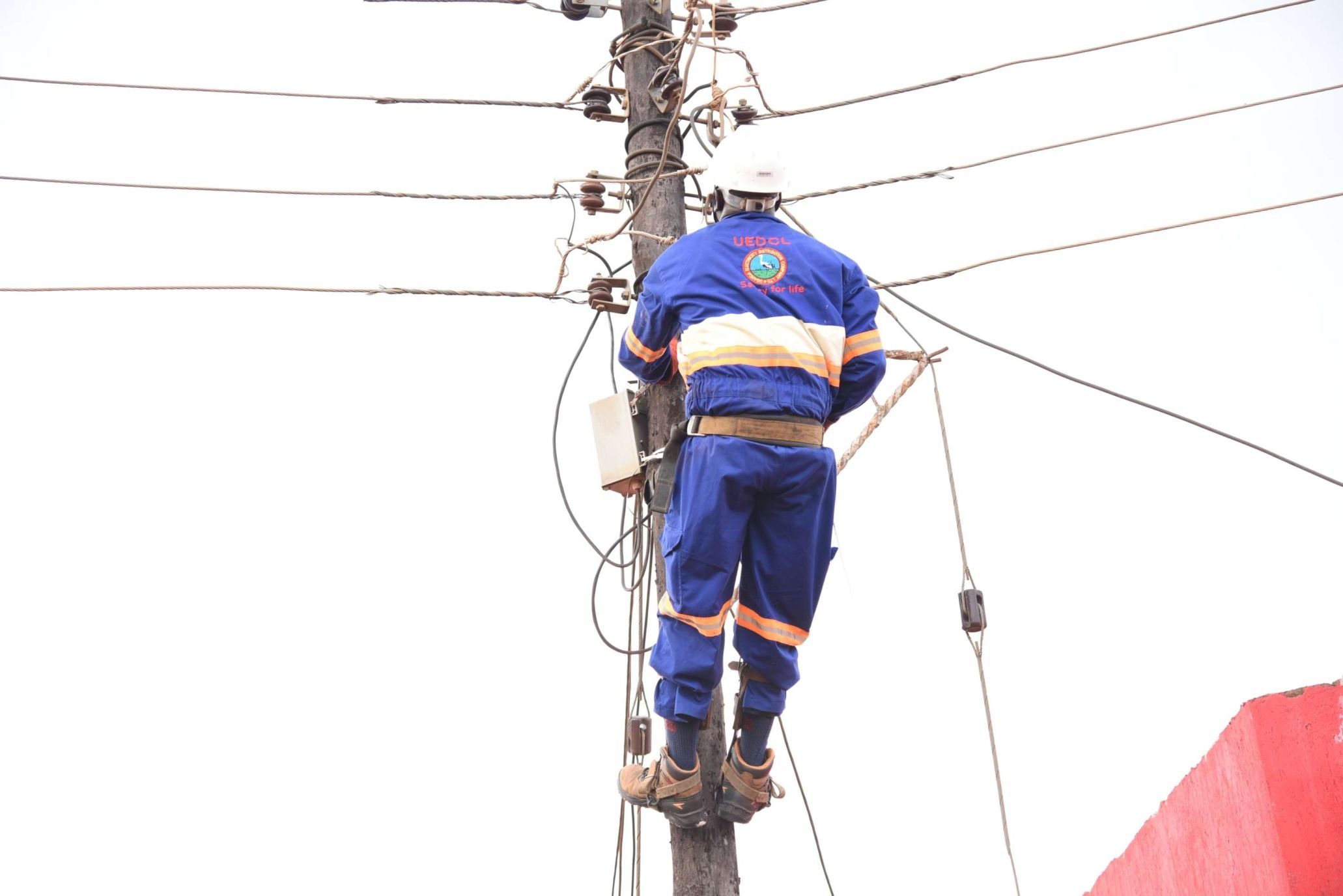
Members of the West Nile Parliamentary Caucus have appealed to the government to avail Shs240 billion for the provision of medium and low voltage electricity from the national grid to all districts across the West Nile region.
According to the Members of Parliament, the West Nile region of Uganda faces several persistent challenges related to electricity access and supply.
These challenges have broad implications for economic development, education, healthcare, and the overall quality of life.
Geoffrey Feta, the Member of Parliament for Ayivu East County who also serves as the Chairperson of the West Nile Parliamentary Caucus—which comprises over 40 members, mainly from the ruling National Resistance Movement (NRM)—disclosed that even in areas connected to the grid, power outages and load shedding are frequent.
He noted that voltage fluctuations are common, often damaging appliances and discouraging industrial investment.
"When His Excellency President Museveni visited Yumbe District recently, we publicly told him that we need the government to avail the West Nile region with Shs240 billion so that we can take electricity to all government institutions and households across West Nile districts," Feta said.
He made the remarks during a community gathering held at Yumbe Bomah Grounds in Yumbe District on Tuesday.
As the area legislators push for a stable supply of electricity, a section of residents in the region has noted that while electricity is available in some villages, the tariffs are often unaffordable for low-income households and small businesses.
Gloria Asitolo, a retail trader in Moyo Town, said alternatives like fuel-based generators are expensive and environmentally harmful.
"Reliable electricity supports small businesses like welding, milling, salons, and refrigeration services. It also attracts larger investors to establish factories, agro-processing plants, and cold storage facilities," Asitolo said.
Stakeholders in the region emphasized that the reliable supply of electricity is a critical driver of development.
As a historically underserved area with a mix of indigenous and refugee populations, the West Nile region stands to benefit greatly from improved and expanded electricity access.