

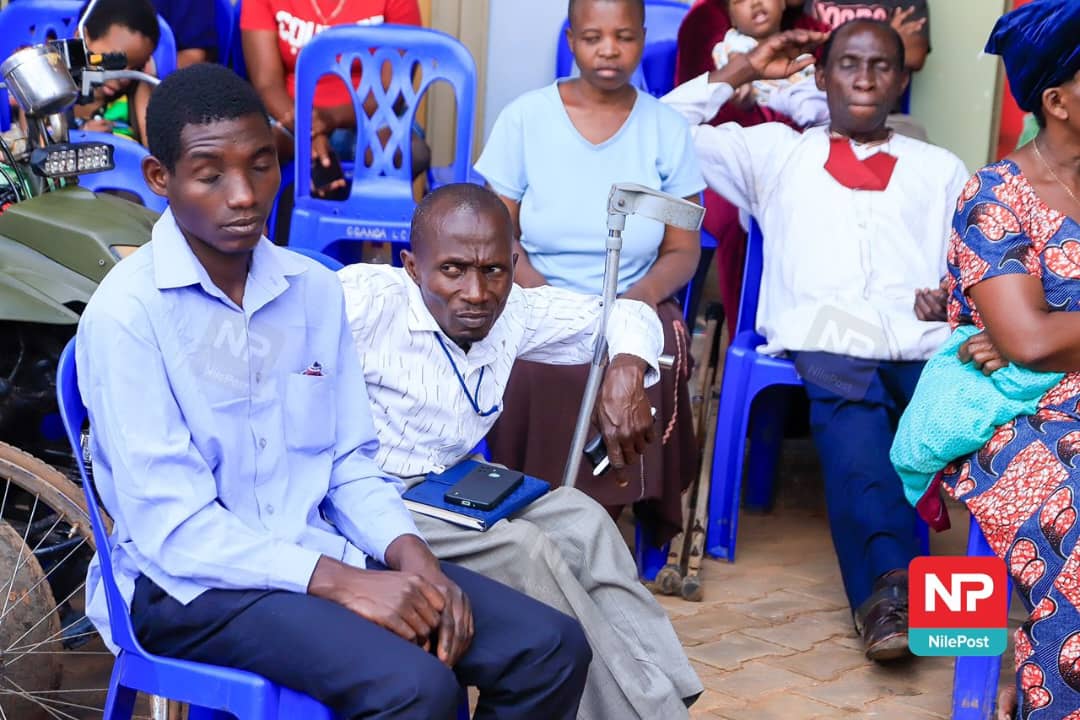
Uganda’s commitment to disability inclusion and improved rehabilitation services has come under focus after a National Union of Disabled Persons of Uganda (NUDIPU) evaluation of orthopedic facilities nationwide.
The review highlights critical issues in accessibility, quality, and sustainability of services available to people with disabilities.
The assessment, aligned with Uganda’s pledges at the 2022 Global Disability Summit and the global Rehabilitation 2030 agenda, evaluated both public and private orthopedic centers in terms of resources, equipment, funding, and staffing.
The findings show significant shortfalls, particularly in facility layout and resources, with many lacking the necessary space, accessible features, and critical resources to meet demand.
Key Issues Uncovered
One key issue identified by the NUDIPU assessment is the inadequate infrastructure in many rehabilitation facilities, which restricts patient movement and limits functionality.
Urban facilities are especially affected, often lacking the necessary space and accessibility standards required for inclusive care.
Another major concern is outdated or non-functional equipment and shortages of essential supplies, which hamper the production of assistive devices and lower service quality. Additionally, a lack of specialised staff and high turnover further strain these facilities.
The review also pointed out a lack of dedicated funding, with many facilities dependent on the limited budgets for general hospital operations. This funding gap affects both outpatient and inpatient care, hindering the production of assistive devices and the delivery of quality care.
NUDIPU’s Recommendations
To address these challenges, NUDIPU has outlined a range of recommendations. It urges the Ministry of Health to create a dedicated funding stream for rehabilitation services to ensure long-term financial stability, and suggests partnerships with the private sector to increase funding and resources.
The organisation recommends improving facility infrastructure to ensure accessibility and integrating rehabilitation services into Uganda’s emergency response plans. Implementing quality management systems to uphold service standards and fostering greater stakeholder coordination for resource optimisation are also advised.
NUDIPU further recommends that rehabilitation be fully integrated into general healthcare services to promote a collaborative approach, along with investing in ongoing professional development and specialised training for healthcare providers.
Finally, NUDIPU proposes creating a national database to monitor rehabilitation indicators, which would enable data-driven improvements across the sector.