

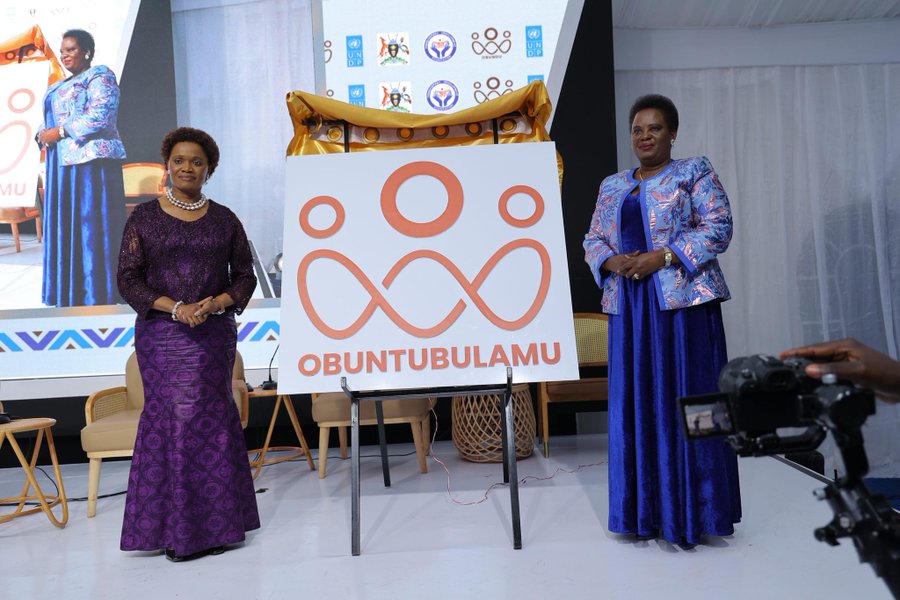
The Nnabagereka Development Foundation has in partnership with nine cultural institutions and the United Nations Development Programme launched the Obuntubulamu programme, that is aimed at reviving values and ethics in Uganda.
The programme seeks to leverage the cultural concept of Obuntubulamu as a catalyst tool for sustainable development.
"Obuntubulamu" is drawn from the Southern African concept of "Ubuntu," which means "I am because we are and some of its core values include honesty, integrity, empathy, cleanliness, humility, civic engagement and responsibility.
It is also translated as Kura Matira in Alur, Kit Matir in Acholi, Tunga Nane in Teso, Kit aber in Lango, Kura Maber in Jopadhola, Obuntu in Bunyoro, Obundu in Rwenzururu and Obuntubulamu in Busoga and Buganda.
Speaking during the launch at Kampala Sheraton Hotel, the Queen (Nnaabagereka) of the Buganda Kingdom, Sylvia Nagginda said the current challenges the country and world at large are facing call for rebuilding and strengthening human values.
“The revival of Obuntubulamu is one of the pathways to fostering a culture that promotes ethics, integrity, peace and sustainable development. The young people and communities in general look up to the cultural and religious institutions for belonging and values. They recognize the unique position that these institutions play in shaping positive behavior in society,” Nnaabagereka, who is also the founder of the Nnabagereka Development Foundation said.
“ Socially, the moral goal of Obuntubulamu is to achieve a normative notion of parenthood demonstrated in generosity, kindness, compassion, respect and concern.”
She said Obuntubulamu principles are instructive about reconciliation, sharing, civility, responsibility, trust, reform and rehabilitation and that these elements are central to peace and development in any community or society.
“If the values and the ethical foundation emphasized are well understood and adapted by all they will go a long way in delivering impactful results for social transformation. It will be easier to address serious challenges in social in society today, such as corruption, violence, climate change and environmental degradation and thereby nurture accountability, responsible citizenship and inclusive development.”
Mrs Elizabeth Lwanga, a board member for Nnabagereka Development Foundation said with Uganda’s diversity of over 65 ethnic groups that share the concept of Obuntubulamu and its core values, the new program will come in handy.
“We have developed this programme which is to be implemented across the entire country, in collaboration with cultural institutions of Acholi, Alur, Buganda, Bunyoro and Busoga. Cultural institutions will play a major role in the implementation of the programme. We hope that all the different cultural groups in Uganda will participate,” Lwanga said.
She explained that education, mentorship and sensitization will be central in enhancing these values through teaching children from an early age about empathy, cooperation, respect for diversity and having future generations committed to non-violence and social equity is a step forward.
The Vice President, Jessica Alupo, in a speech read by the Minister for Gender, Betty Amongi said the program will be a gamechanger in the country.
“This program that we are launching today, therefore is a most welcome contribution to enhancing the implementation of government policies and plans as our cultural institutions play a significant role in the social transformation of the nation. They have promoted diversity and encourage respect for all cultural groups, thus fostering social cohesion and tolerance. They often offer educational programs which promote critical thinking, lifelong learning and cultural awareness that are needed for intellectual growth and social development of society,” Alupo said.
"Cultural institutions are well known for providing gathering places for people of diverse backgrounds, and creating opportunities for social interaction and the exchange of ideas, and thereby fostering a sense of belonging and unity among citizens. Cultural institutions contribute to economic growth through the creation of jobs, especially in areas such as tourism, hospitality and the creative arts, this has impact on the economic well being of people and the country's overall prosperity social values such as community, compassion, justice, cooperation and well being are fostered by cultural institution.”
She said by promoting these values and behaviors, they seek to create a society where individuals and communities can thrive collectively, ultimately leading to the attainment of national aspirations.
The United Nations Development Programme's (UNDP) Resident Representative for Uganda, Nwanne Vwede-Obahor said implementation of the program will help the country achieve Sustainable Development Goals.