
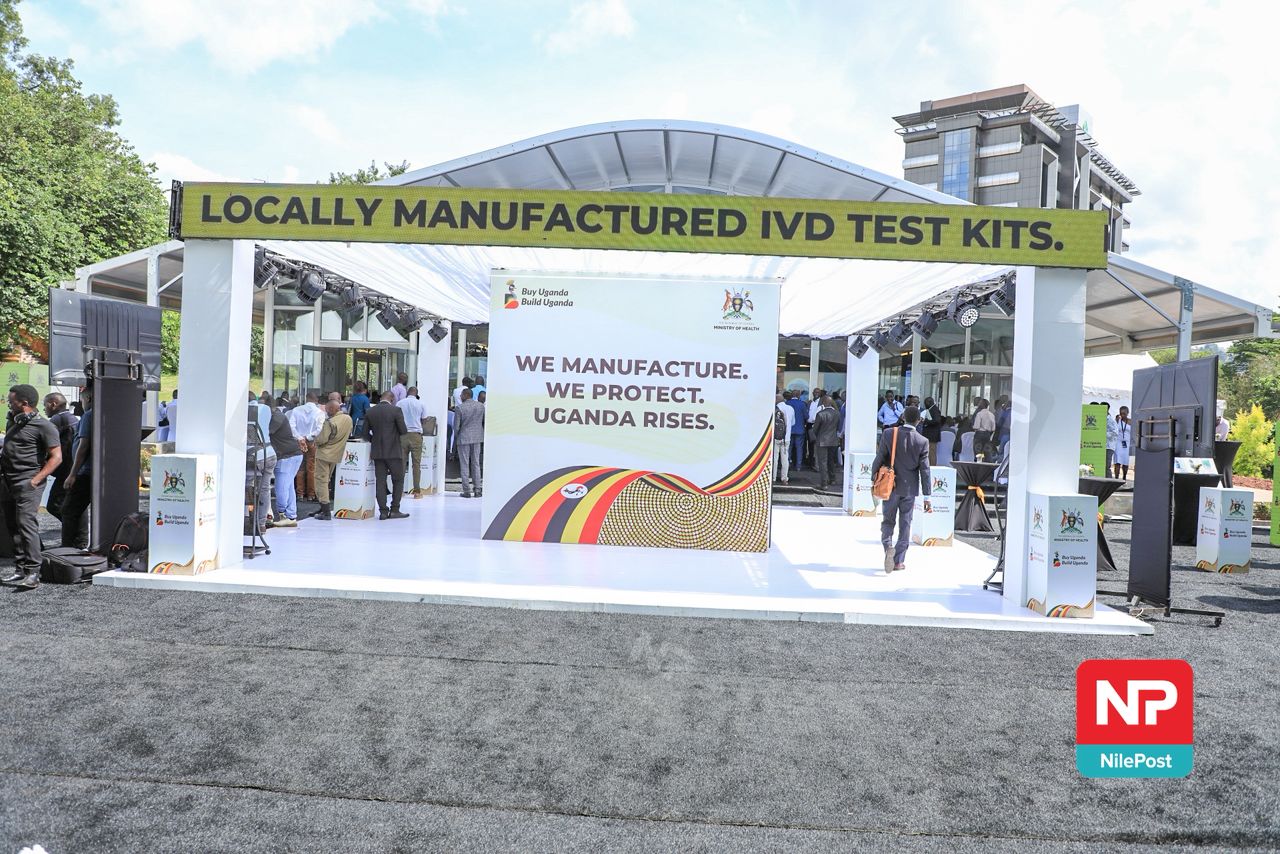
The government of Uganda has launched locally manufactured diagnostic test kits for HIV, malaria, and sickle cell disease, marking a major step toward self-reliance in the country’s health sector.
Speaking at the launch, the Minister of Health, Jane Ruth Aceng, described the development as historic, noting that it reflects Uganda’s commitment to strengthening its health systems through local innovation.
Dr. Aceng explained that Uganda has long depended on imported medical supplies, a reliance that has exposed the country to challenges such as high costs, supply chain disruptions, and delays in accessing essential commodities.
She noted that the COVID-19 pandemic highlighted the risks of overdependence on global supply chains, reinforcing the need for domestic solutions.

In response, Uganda has begun producing its own diagnostic kits, which are already being procured and distributed by the National Medical Stores to health facilities nationwide.
The kits are designed to improve early detection and management of HIV, malaria, and sickle cell disease—three of the country’s most pressing health challenges.
Dr. Aceng emphasised that local production will not only reduce costs but also improve turnaround time in diagnosis and treatment, which is critical in preventing outbreaks and managing diseases effectively.
She added that the initiative aligns with the Buy Uganda Build Uganda policy, which promotes local manufacturing, job creation, and economic growth.

The minister further assured the public that all locally produced diagnostic tools will meet strict national and international quality standards. She said the Ministry of Health will continue to provide regulatory oversight and integrate the new kits into national procurement systems based on their effectiveness and reliability.
Dr. Aceng also highlighted ongoing collaboration between the Ministry of Health, the Ministry of Trade, and the private sector to support innovation and create a conducive environment for local manufacturers.
She commended MicroHaem Scientifics for its role in advancing local solutions in the health sector, noting that its work demonstrates Uganda’s growing capacity to develop high-quality medical technologies.
The launch signals a broader shift in Uganda’s healthcare approach—from reliance on imports to building a resilient, self-sufficient system capable of meeting the country’s needs.
