

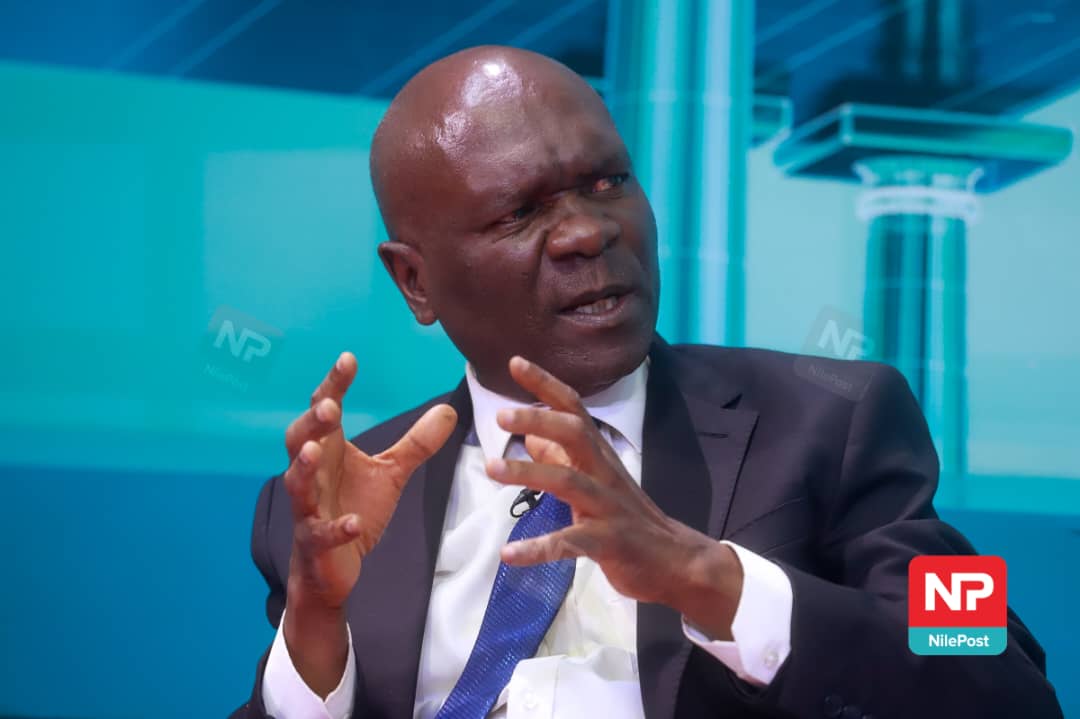
Residents of Buyaaya village in Mawokota South Constituency have accused their Member of Parliament Yusuf Nsibambi of deliberately disconnecting electricity from the community following his defeat in the January 15 parliamentary elections.
The blackout, which left homes and businesses without power for several days, occurred shortly after voters elected Suzan Nakawuki of the ruling NRM party to represent the constituency.
Nsibambi, a long-serving FDC legislator who had held the seat for two terms, had previously installed electricity infrastructure, including street lights and a transformer, in the area using personal funds.
But frustrated with the chastening defeat in January, Nsibambi reportedly hired power technicians to disconnect the village, accusing the voters of abusing his generosity.
Mr Nsibambi told the Nile Post he has no legal or moral obligation to continue supplying electricity to the community.
“I no longer have any obligation to those people. That electricity is not government property,” he said. “I paid for it with my own money. Am I the government? What do they expect from me?”
He added that he is free to remove the street lights he had installed.
“The work of a Member of Parliament is to make laws and pass the national budget, not to provide electricity,” Nsibambi said.
“If they appreciated what I did for them as an individual, they would have voted me back. Let them remain in darkness and ask government for their own electricity. This one is mine; I paid for it.”
The residents say the disconnection has severely disrupted daily life.
“We are suffering badly. We have spent days without electricity at a time when we need it most, especially as children are returning to school,” said one local resident.
“Our fridges no longer work, salons have closed, people who rely on electric machines cannot operate, and our livelihoods have come to a standstill.”
Some villagers claim that Buyaaya shares a transformer with Nsibambi’s residence in Jaliya City, but while his home continues to receive electricity, the surrounding community remains in darkness.
“We use the same transformer with Hon. Nsibambi, but electricity passes his place and stops there. He disconnected us and remained alone on the power line,” residents alleged.
Many residents interpreted the move as politically motivated.
“Why was electricity never cut before elections? Now that elections are over and he lost, he decides to disconnect us,” one resident asked. “We gave him a full term in Parliament; why punish us simply because we did not vote him back?”
Residents have also accused Nsibambi of threatening to remove street lights he previously installed along village roads and have petitioned government and the national electricity distributor to intervene by providing an independent transformer to prevent future interference.
UEDCL Clarifies Legal Ownership
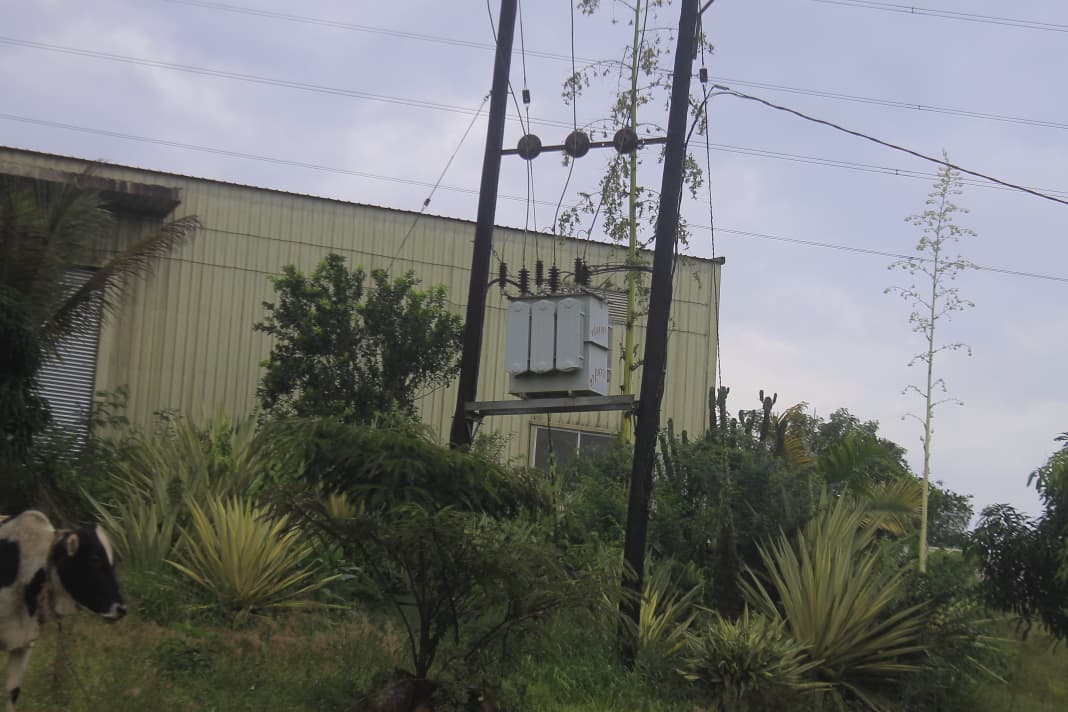
The Uganda Electricity Distribution Company Limited (UEDCL) has dismissed Nsibambi’s claims, emphasizing that electricity infrastructure remains government property even if funded by an individual.
Jonah Kiiza, UEDCL national spokesperson, explained that poles, lines, and transformers operating between 11kV and 33kV are legally owned and managed by licensed distributors.
“No one has the legal authority to disconnect electricity supplied through government infrastructure,” Kiiza said.
“Whether a power line was initiated by an individual or an NGO, it remains government property. What Hon. Nsibambi did is illegal and unacceptable.”
Kiiza added that any technical issues with transformers or lines should be handled by licensed electricity distributors, not private individuals.
He also reassured residents that Nsibambi does not operate a private electricity business, and all power supplied in the area belongs to government.
The blackout disrupted households and businesses alike. Residents reported that fridges stopped working, salons closed, and street lights went out, leaving parts of the community in darkness.
Although some sections of Buyaaya have since had power restored, other areas remain without electricity, prompting residents to request government intervention and independent infrastructure.
Political and Historical Context
Ms Nakawuki's bounceback would be a case for Mr Nsibambi to study for own humility. In 2006, she entered Parliament as Busiro East MP but when she chose to go for Masaka Municipality in 2011, she lost to Mathias Mpuuga.
There is no reported incident of Nakawuki taking back what she had given to the populace during her time even after subsequent defeats and that eventually paid off with her bounce-back on January 15.
Instead, Mr Nsibambi will no face to carry into public should he desire to return to the voters in coming years.
Withdrawal of services after electoral defeat is not unprecedented in Uganda. There have been previous instances where leaders who funded boreholes, ambulances, or other community projects allegedly removed them after losing elections.
Investment minister Evelyn Anite reclaimed an ambulance she had donated following her electoral defeat in the Koboko Municipality MP in 2021.
Similarly, Sarah Babirye Kityo, the former Central Youth MP, withdrew tents, chairs, and other community equipment after losing her seat.
Former Kawempe South MP Mubarak Munyagwa reportedly withdrew two ambulances and community water points he had helped fund.
In Nebbi Municipality, former MP Patrick Okumu Ringa uprooted boreholes he had previously installed for residents after losing his seat.
Such actions reflect a wider pattern where politicians treat donated services as personal property, reclaiming them once they are no longer in office, which often disrupts communities that had come to rely on these facilities.
Residents said such actions punish communities for exercising their democratic choice and undermine public trust in elected officials.
The Buyaaya incident underscores the tension between privately funded initiatives by politicians and the legal framework governing public utilities in Uganda.
UEDCL’s clarification highlights that, regardless of who finances infrastructure, the authority to manage or disconnect public electricity rests solely with licensed distributors.
