

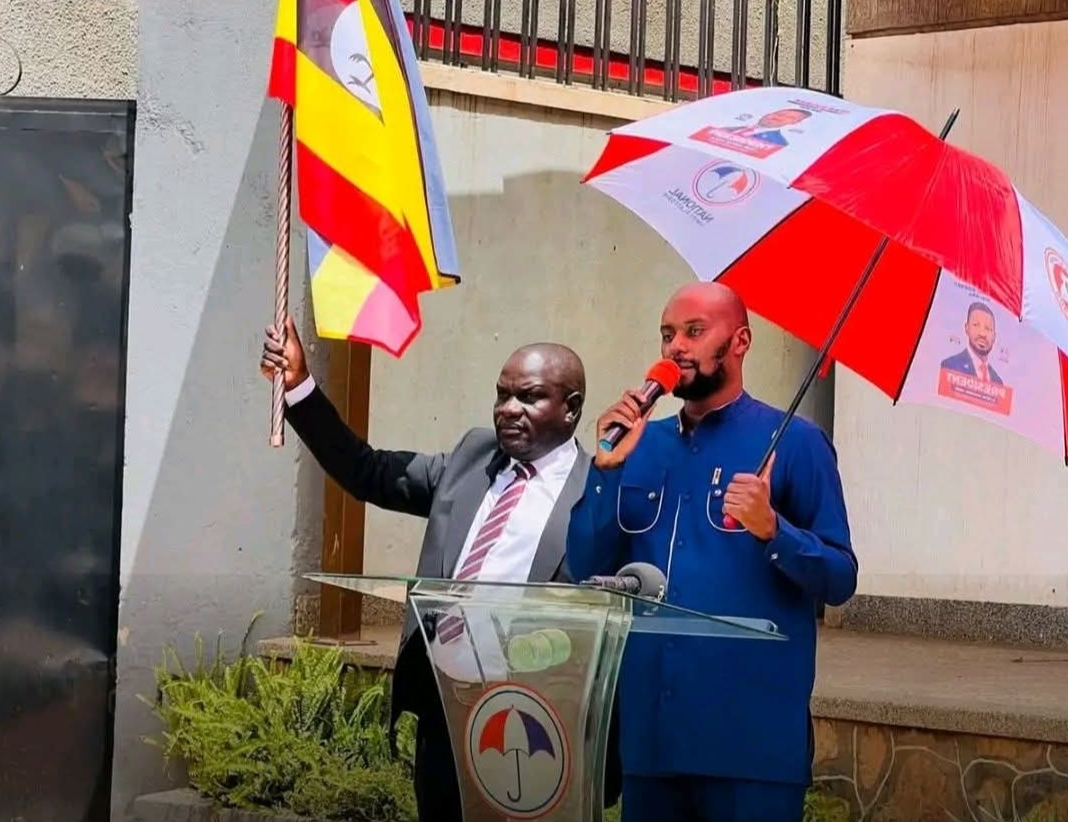
A growing rift has emerged within the National Unity Platform (NUP) following the party’s decision to front Jinja South East Member of Parliament Paul Mwiru as its candidate for Speaker of the 12th Parliament. A section of party leaders and supporters in Jinja have openly opposed the move, arguing that Mwiru would be better suited for the position of Leader of the Opposition (LoP).
The dissenting voices contend that the Speakership bid is largely symbolic, given the opposition’s numerical disadvantage in Parliament. They argue that the ruling National Resistance Movement (NRM) holds an overwhelming majority, making it highly unlikely for an opposition-backed candidate to win the Speaker’s race.
NUP members in Jinja expressed mixed reactions, with some questioning the decision-making process behind Mwiru’s endorsement. Pastor Andrew Muwanguzi, the party’s Head of Training, Patriotism and Ideology, criticized the move, saying it lacked formal approval from the party’s top organs.
“I sit on all party organs, including the Executive Board, National Executive Committee, and the Delegates Conference, yet we have never held a meeting to endorse Paul Mwiru for Speaker. It is erroneous for a few leaders to take such a significant decision,” Muwanguzi said.
He further described the move as politically risky, arguing that it sets Mwiru up for a predictable defeat.
“It is like handing him a rope to hang himself. We all know the regime has already decided on its candidate, and the opposition lacks the numbers to counter that. The outcome of the Speaker’s election is already known,” he added.
Muwanguzi also argued that the party missed an opportunity to strategically position itself by appointing a Leader of the Opposition from outside the Buganda region. He cited past practices by the Forum for Democratic Change (FDC), which rotated the LoP position among leaders from different regions, including Prof. Ogenga Latigo, Wafula Oguttu, Nathan Nandala Mafabi, Winnie Kiiza, and Betty Aol.
“We should take a similar approach and consider leaders from Busoga or Eastern Uganda, regions that have shown strong potential in challenging the regime,” he said.
Other party supporters echoed similar sentiments. Tom Ngobi, a NUP supporter in Jinja South East, argued that Mwiru’s experience and integrity make him well-suited for the LoP role, where he could effectively lead the opposition in Parliament.
However, not all party members oppose the decision. Some have defended the move, emphasizing that the Speakership is a more prestigious and influential office. Morrison Bizitu, another NUP supporter, urged patience and internal dialogue.
“The Speaker elections are imminent, and discussions about the Leader of the Opposition can come later. Let us wait for the outcome and cross that bridge when we get there,” Bizitu said.
He also commended the party for recognizing Mwiru’s leadership capabilities, noting that his endorsement for Speaker signals confidence in his ability to serve in high office.
Mwiru himself has dismissed the criticism, expressing confidence in his chances despite the political arithmetic in Parliament. He maintained that the Speakership is a higher office and worth contesting.
“I respect their opinions, but the position of Speaker is bigger than that of Leader of the Opposition. I believe I have the support based on the groundwork I have done. If I am not successful, then we can discuss other positions,” Mwiru said.
The controversy follows the party’s official endorsement of Mwiru on May 18, 2026, at its headquarters in Kavule, announced by Secretary General Lewis Rubongoya.
As the Speaker election approaches, the internal disagreement highlights broader strategic questions within NUP about how best to deploy its leadership in a Parliament where the opposition remains numerically constrained.
