

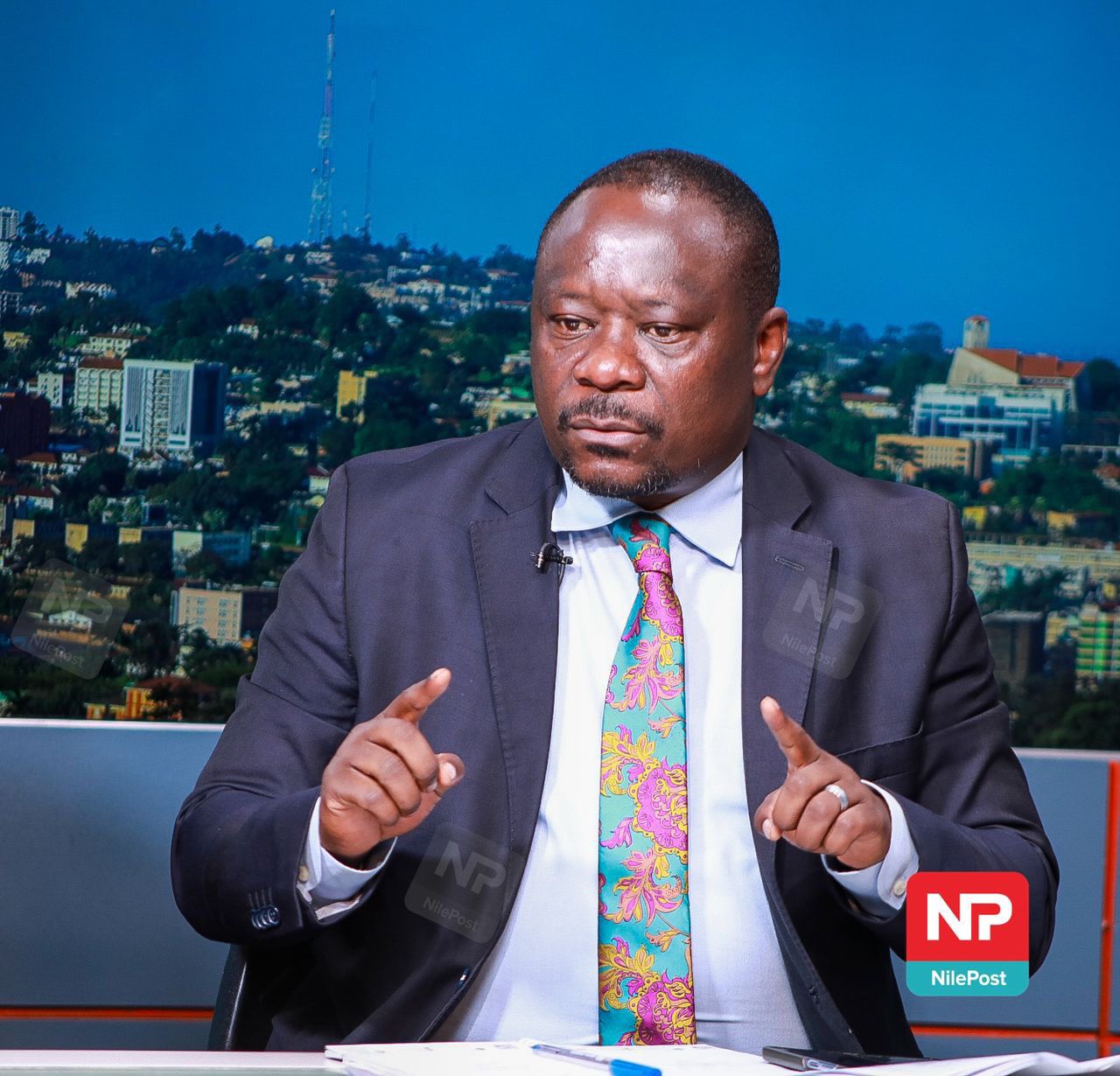
Buhweju County MP Francis Mwijukye has strongly opposed the proposed Protection of Sovereignty Bill, 2026, warning that its current provisions risk undermining citizens’ rights and disrupting economic activity.
Speaking on NBS Morning Breeze, Mwijukye clarified that his objection is not to the principle of protecting Uganda’s sovereignty, but to the content and structure of the Bill.
“I’m actually not against the Protection of Uganda’s Sovereignty. I’m against the bill as it is right now. The content in the bill as it is right now is against the citizens of Uganda,” he said.
Mwijukye questioned the basis of the legislation, arguing that laws should be grounded in clearly defined problems and developed through broad consultation.
“What is this Sovereignty Bill coming to deal with? Before you come up with any policy, you are supposed to do consultations. A policy or law should come in as a solution to an existing challenge,” he said.
He expressed concern that the Bill’s scope could extend into media and public discourse, particularly in economic analysis.
“I’m afraid this Sovereignty Bill will also affect journalists and the media when you start analysing the economy,” he added.
The legislator also criticized the urgency surrounding the Bill, suggesting it should be deferred to allow more scrutiny.
“What is the hurry to pass this Sovereignty Bill? The 12th Parliament is coming, why don’t you wait and give it the time it needs?” he said.
Mwijukye further raised concerns about how the Bill defines “foreigners,” warning of contradictions that could affect Ugandans in the diaspora.
“Other countries are looking for ways of having citizens vote in the diaspora, meanwhile, for us we are declaring them foreigners,” he said.
He argued that the Bill’s provisions could have unintended consequences on everyday economic activities.
“Imagine somebody operating an Uber taxi will have to register because they are a foreign agent since Uber isn’t Ugandan,” he said.
Mwijukye also questioned why government is introducing a new law instead of strengthening existing regulatory frameworks governing civil society and NGOs.
“We have a law that regulates civil society and NGOs—if it’s weak, why don’t you amend it?” he said.
The Bill, tabled by David Muhoozi, State Minister for Internal Affairs, proposes a sweeping framework to regulate foreign influence across Uganda’s civic, economic, and digital spaces. It introduces the category of “agents of foreigners,” mandatory registration, strict vetting processes, and financial controls, including a cap of about Shs 400 million in annual foreign funding without approval.
It also creates new offences such as “economic sabotage,” with penalties of up to 20 years in prison and heavy fines for organisations.
Government officials have defended the Bill as necessary to protect national sovereignty. However, critics—including civil society groups and legal analysts—warn that its broad definitions could restrict freedoms of expression, association, and access to information, while also affecting donor-funded programmes and investment flows.
Despite the criticism, the Bill is widely expected to pass due to the dominance of the National Resistance Movement in Parliament.
The House, led by Anita Among and Thomas Tayebwa, is seen as aligned with advancing government-backed legislation, with political backing further reinforced by President Yoweri Museveni.
Analysts say these dynamics make it highly likely the Protection of Sovereignty Bill will proceed, even as debate intensifies over its potential impact on civil liberties and Uganda’s democratic space.
