

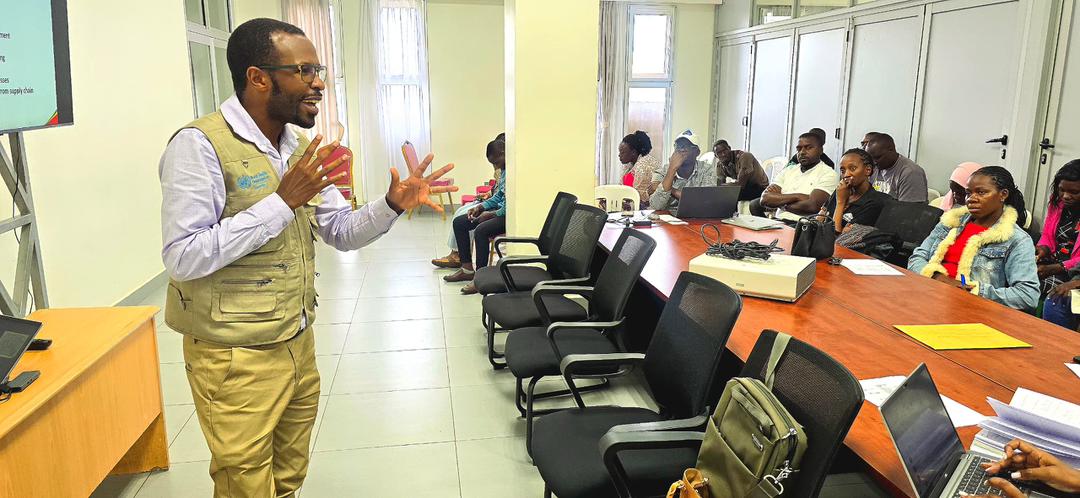
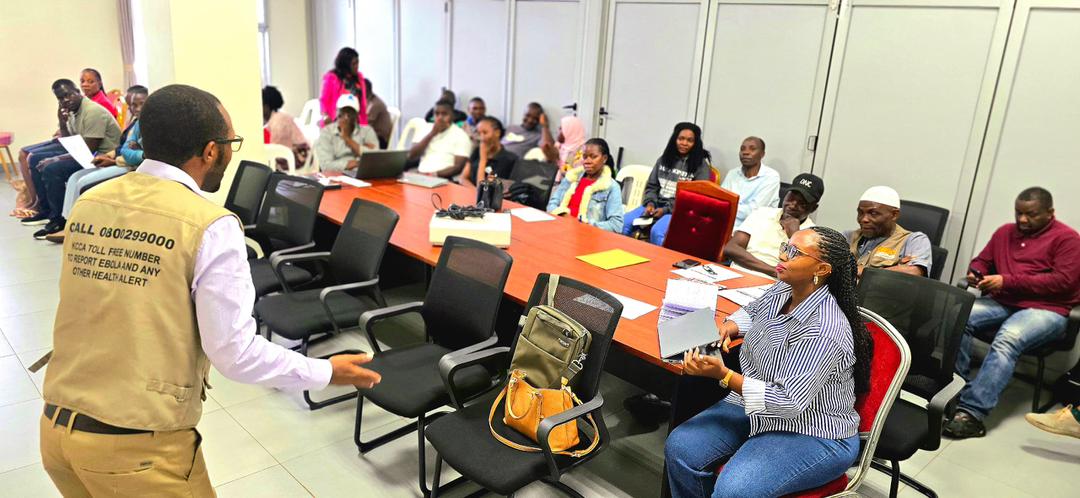
Kampala Capital City Authority (KCCA) conducted a training for approximately 50 journalists aimed at strengthening their understanding of air pollution and its impacts.
The training sought to enhance the quality, accuracy, and depth of media reporting on air quality issues across Uganda primarily.
It brought together a cross-section of journalists from print, radio, television, and digital platforms, equipping them with the skills to interpret air quality data and produce accurate, compelling, and solution-focused stories that raise public awareness and promote practical measures for curbing air pollution.
The training covered key topics such as the basics of air pollution, data interpretation, and responsible reporting.
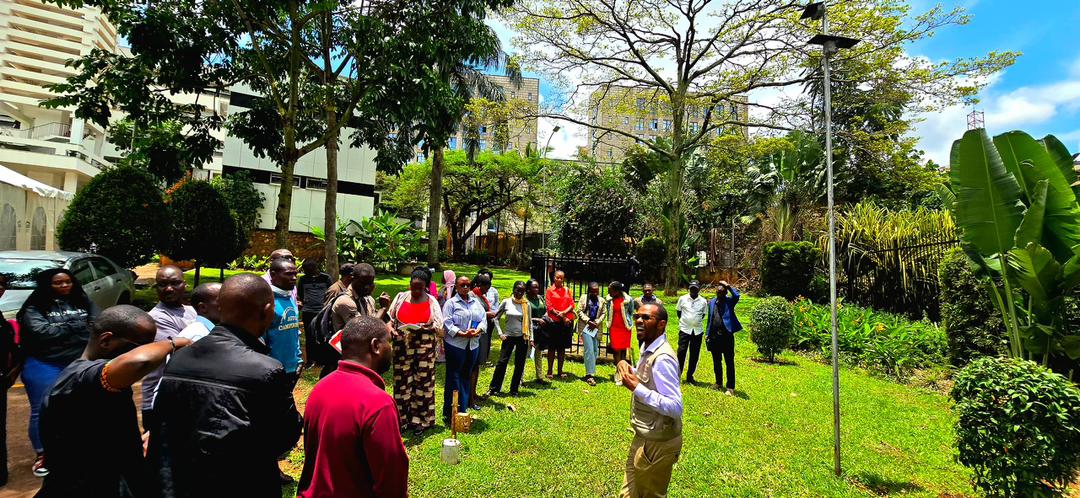
It also included a field visit to an air quality monitoring site, along with a planned press briefing to highlight the current state of air quality in Kampala and ongoing mitigation efforts.
According to the World Health Organization (WHO), air pollution is a growing global concern with severe impacts on public health causing an estimated 7 million premature deaths annually.
It is recognized as a leading cause of non-communicable diseases, including stroke, heart disease, lung cancer, and chronic obstructive pulmonary disease (COPD).
Air pollution also poses significant environmental risks and disproportionately affects vulnerable populations such as pregnant women, older persons, and children, contributing to impaired brain and lung development in children.
The WHO Global Air Quality Guidelines (2021) further emphasize that there is no safe level of exposure to air pollution, as adverse health effects can occur even at the lowest levels of concentration.
Despite relatively low levels of public awareness about the air pollution crisis, numerous studies estimate that air pollution is responsible for at least 7 million deaths globally each year, and nearly 30,000 deaths annually in Uganda.
In Uganda - particularly in Kampala, air pollution is largely driven by high traffic emissions, open burning of solid waste, biomass fuel use, and rapid industrial growth, all of which contribute to significant public health challenges.
“Air pollution is not just an environmental issue; it is a public health emergency," Dr. Alex Ndyabakira, the District Medical Officer for Makindye Division.
He noted that the media plays a critical role in helping the public understand the risks associated with continuous exposure to air pollution and in driving behavioral change.
“By equipping journalists with the right tools, we are investing in informed reporting, strengthened accountability, and long-term positive behavior change."
In line with World Health Organization (WHO) guidelines, air quality in Uganda is considered unsafe. The most recent data indicates that the country’s annual mean concentration of PM2.5 is approximately 50 µg/m³—five times higher than the recommended maximum of 10 µg/m³.
The Ministry of Health and its partners report that elevated PM2.5 levels in Kampala are contributing to recurrent respiratory illnesses such as asthma, pneumonia, and chronic obstructive pulmonary disease.
Dr. Ndyabakira noted that the media training serves as a precursor to broader efforts to raise awareness and curb air pollution in Uganda.
These include a policy dialogue scheduled for 30 April 2026, aimed at strengthening collaboration among the media, policymakers, and technical experts, while elevating air quality as a key public health priority in Kampala and across the country.
KCCA continues to implement a range of interventions to improve air quality, including expanding monitoring systems, promoting cleaner transport options, and advancing urban planning approaches that reduce exposure to pollution.
KCCA calls on all key stakeholders—including the media, communities, private sector, small and medium enterprises, the transport sector, and development partners—to collaborate in addressing air pollution challenges in Uganda and protecting public health.
KCCA has installed 100 air quality stations in Kampala city
