

By Penny Atukunda
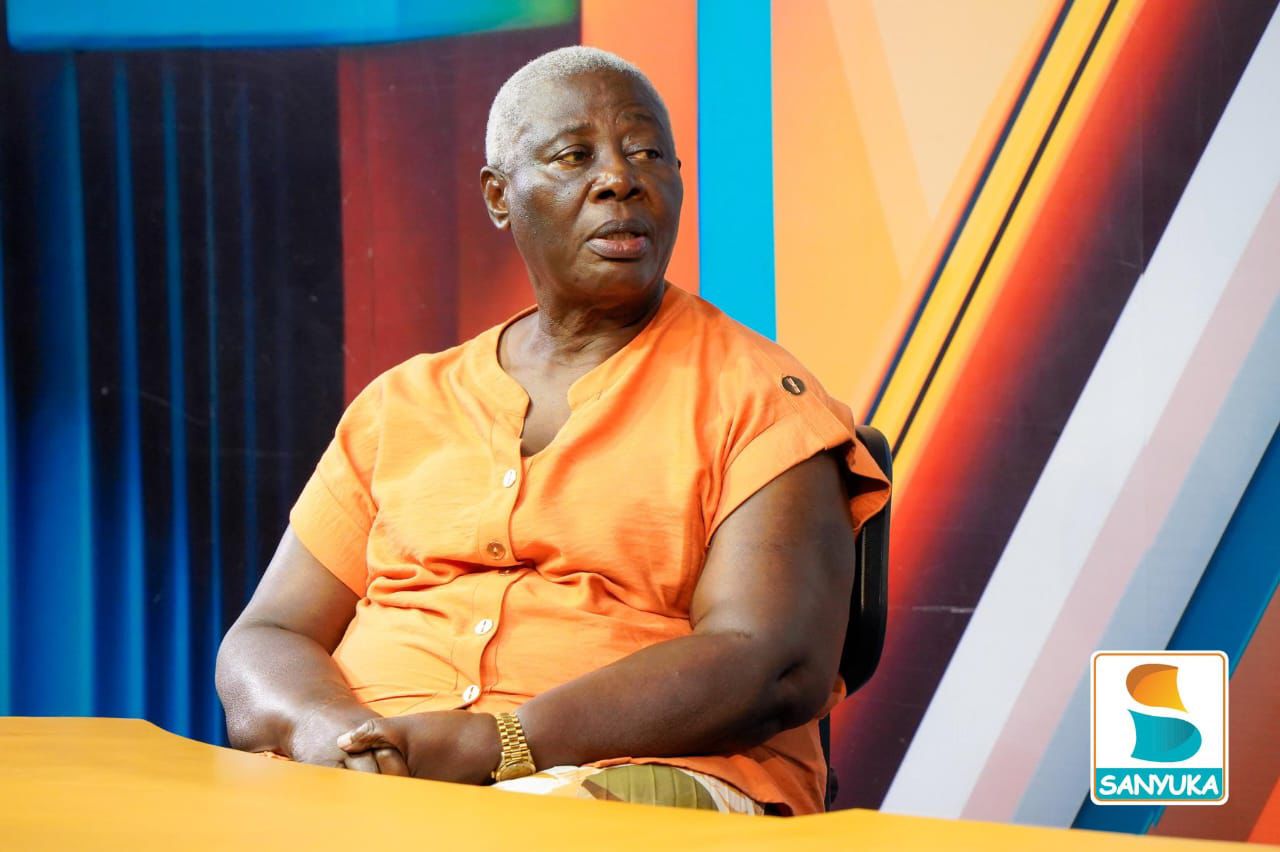
When you tuned in to Sanyuka Morning Xpress, you might have felt the weight of history in the words of Lt. Gen. Proscovia Nalweyiso. She spoke with the conviction of someone who has not just watched Uganda grow but has lived through the struggle that shaped it.
She reminded you that when people step forward to pick presidential nomination forms, it is not necessarily a sign of weakness. To her, it is sometimes a reflection of the weakness within the system, where everyone feels free to do as they please. Yet, she said, that is the democracy you fought for, the democracy Uganda’s people earned. The problem, she added, is not democracy itself but how some people choose to dilute it.
When she talked about love, she was clear: Ugandans still love President Museveni. She recounted how, back in 2011, she sent people across the country to witness life on the ground. When they returned, they admitted that their views had changed after seeing firsthand what had been achieved under his leadership.
Her reflections also carried a sense of gratitude. She thanked Ugandans for the journey of 40 years under Museveni, pointing to the transformation that is often taken for granted. “We now have cities,” she said, almost with surprise. She even confessed that she once argued without realizing Soroti had become a city. For her, as for many older Ugandans, growth is visible and undeniable.
But she did not shy away from honesty about the ruling party. According to Nalweyiso, the challenge with the NRM primaries is that every candidate enters expecting victory. That, she said, creates tensions within the party. Still, she stressed that the primaries were for NRM members only. With fingerprint technology ensuring fairness, that chapter is now closed.
What lies ahead, she reminded you, is bigger than any party primary. The general election in January is not for one group—it is for the whole of Uganda.
As you listened, you could sense that Nalweyiso’s words were not just about politics. They were about perspective. About remembering where Uganda has come from, what has been achieved, and what still needs to be protected. Whether you agreed with her or not, she spoke as someone who has seen Uganda’s story unfold from the inside—and wants you to recognize the sacrifices and choices that have shaped it.
