

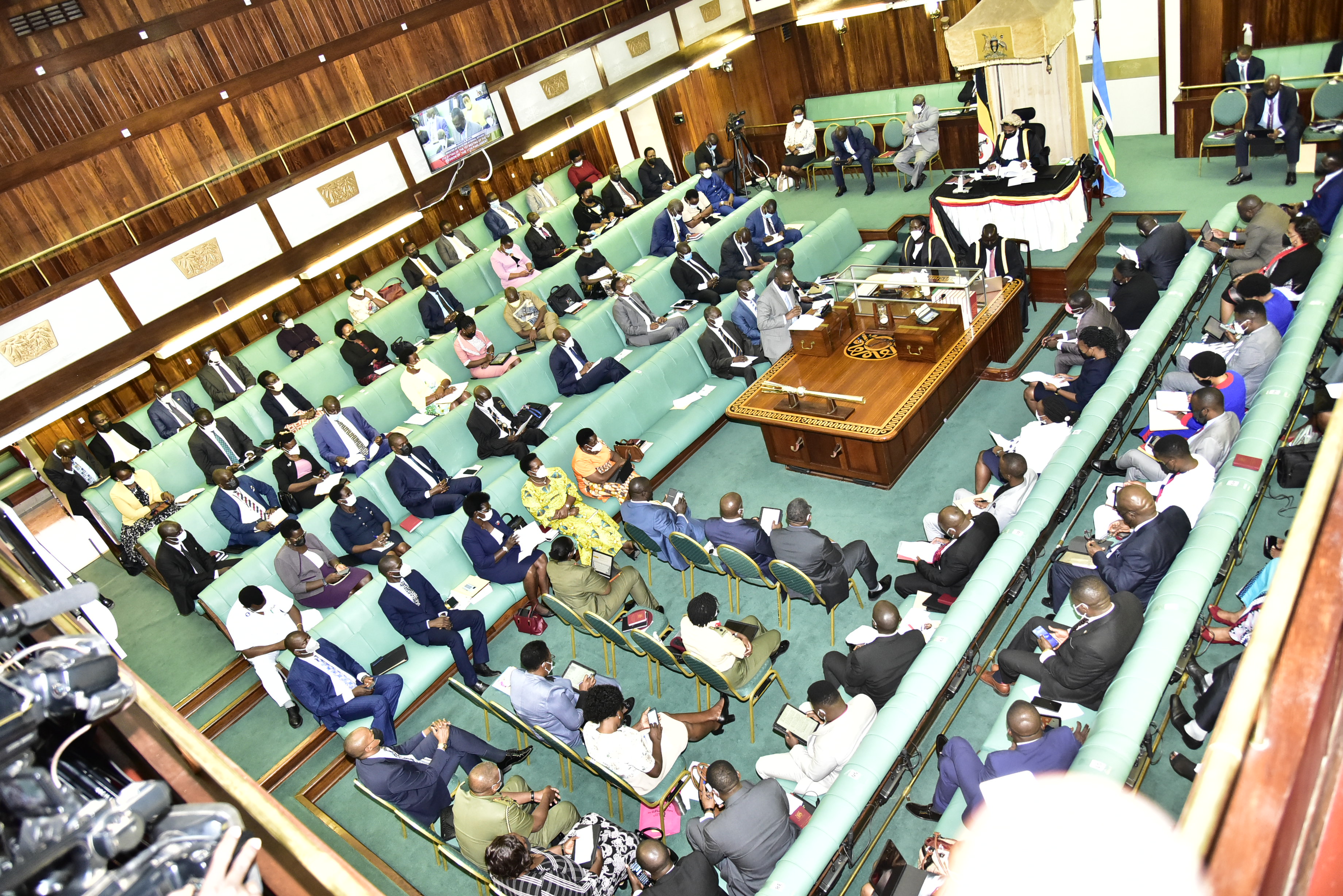
An accountability audit report is poised to be presented before the parliament, revealing unsettling delays by the government in providing action taken reports.
The committee on trade which recently concluded an investigation into the diversion of funds, has expressed frustration over the government's actions.
For nearly a month, the committee has been delving into allegations of fraudulent practices, including fund diversions and other irregularities within government institutions.
As the nation anticipates the forthcoming report, several glaring issues have come to light, including exorbitant costs for the procurement of aging ministerial vehicles at 600 million shillings, instances of fuel withdrawals totaling shs357 million in a single day, and a dramatic increase in renovation costs from shs3.9 billion to 6.9 billion.
Of additional concern is the revelation that shs400 million were purportedly spent on transporting documents during the renovation of a farmer's house to Entebbe.
The committee's chairperson, Mwine Mpaka, has indicated that the report is now ready and is expected to expose numerous instances of mismanagement of public funds by government officials.
While the report is set to shed light on these concerning findings, the parliament is grappling with a pattern of government inaction on recommendations.
Several other reports, including the Vinci coffee report that advised the termination of unfavorable agreements and the National Social Security Fund (NSSF) report, which suggested the dismissal of high-ranking officials, have been left largely unaddressed.
This state of affairs has left members of the committee disheartened, as the government's reluctance to act on parliament's recommendations undermines the efforts of the committee.
Chairperson Mwine Mpaka candidly expressed the committee's frustrations:
"The action taken reports never come, especially when the issues are controversial. The issue of rice, fuel, Vinci... you really get demotivated."
A recurring theme in these parliamentary investigations is the alleged interference from influential figures within the political landscape, which has overshadowed parliament's role, traditionally confined to advisory capacities.
As the public awaits the unveiling of this forthcoming audit report, uncertainty looms. The delayed response from the government to previous reports and the apparent lack of resolve to address issues of accountability continue to raise concerns.
Whether this audit will provide a comprehensive overview of the controversies or simply add another chapter to the record of inaction remains to be seen.
